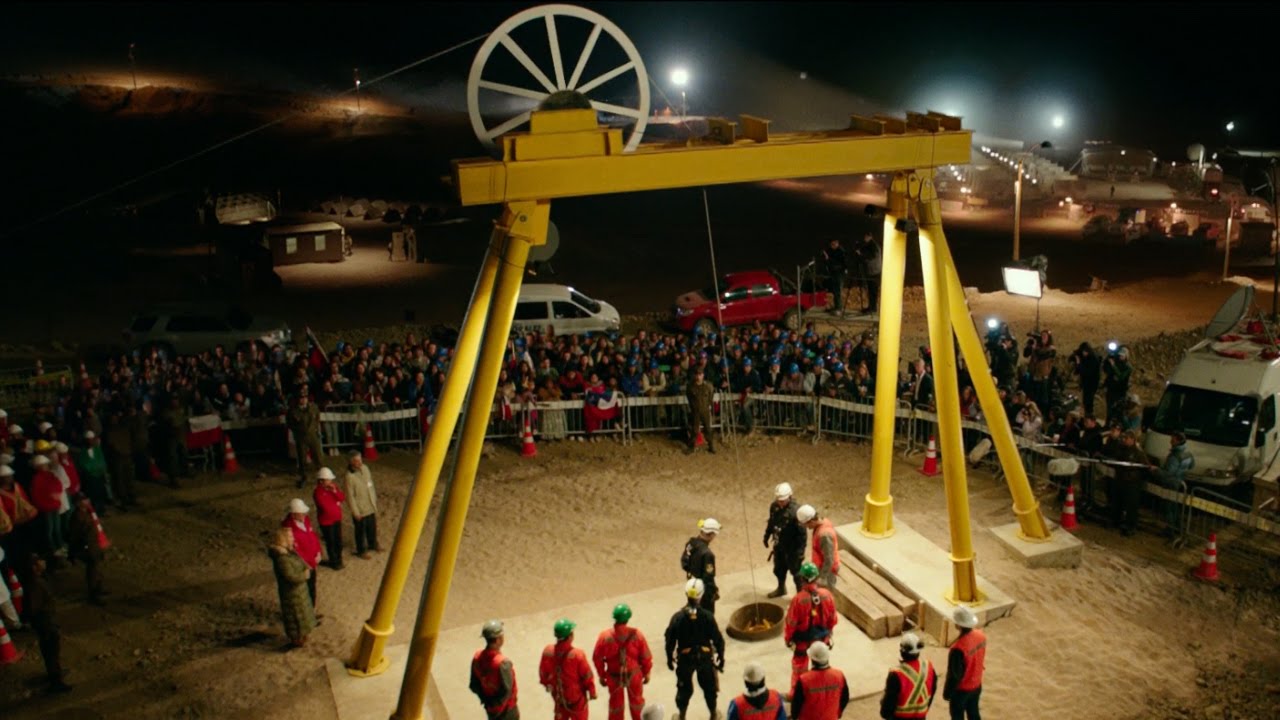
Eighteen gold miners who were trapped underground in a mine located in north-western Colombia have been safely brought to the surface following a complex rescue effort that lasted nearly an entire day. The incident occurred in the El Minón mine, situated in the Antioquia region, and was reportedly triggered by a mechanical failure that compromised critical safety infrastructure.
The miners became trapped on Thursday when a structural component—designed to protect against landslides—failed, blocking the main exit and leaving the workers stranded underground. According to local sources, the operation to free them lasted around 12 hours and concluded successfully early Friday morning, shortly after 3:00 a.m. local time.
Colombia’s National Mining Agency (ANM) confirmed the successful rescue in an official statement, emphasizing that all 18 miners were found in good health. Emergency crews on the scene worked through the night to safely extract each individual, using hoses to deliver oxygen to those trapped as they awaited rescue.
Video footage shared by local media captured the emotional moment when the workers surfaced, greeted by applause and relief from colleagues and first responders. The images highlighted the resilience of the miners and the coordinated response by emergency personnel who navigated hazardous conditions to reach them.
Although the rescue mission was eventually successful, the situation has sparked worries regarding the mining techniques used in the area. A letter sent to national authorities by the mayor of Remedios, a town close to where the event occurred, implied that the El Minón mine might lack proper licensing. This has led to increased examination of informal or unregulated mining activities in Colombia, which are frequently linked to elevated safety hazards.
Yarley Erasmo Marin, a representative from a regional miners’ group, clarified that the primary issue of the incident stemmed from a malfunction in the equipment meant to restrain debris and earth. This malfunction caused a collapse, blocking the main entrance to the surface. While no lives were lost, Marin emphasized the importance of enhancing safety regulations to avert future occurrences.
In its formal statement, the ANM advised mining communities to refrain from participating in unauthorized extraction operations. “Unlawful mining risks the safety and welfare of workers, drains national resources, and creates enduring environmental harm,” the agency cautioned.
Colombia, rich in natural resources including gold and coal, has a long history of mining. However, the sector has frequently come under scrutiny for labor violations, environmental degradation, and safety oversights—particularly in operations that fall outside formal regulatory frameworks. Mining accidents, unfortunately, are not rare, and the country has witnessed multiple deadly incidents over the past several years.
According to data gathered by Colombian authorities, dozens of miners lose their lives annually due to cave-ins, equipment malfunctions, and exposure to toxic gases. Many of these accidents occur in remote areas where enforcement of safety regulations is difficult, and where informal mining operations proliferate due to limited economic alternatives.
Antioquia, one of Colombia’s most productive mining regions, has been at the center of debates regarding the future of mining in the country. While it contributes significantly to the national economy, the region has also seen its share of tragedies linked to insufficient oversight or improper mining practices.
The latest event has sparked discussions regarding the necessity of shifting to secure and more eco-friendly mining practices. Labor unions, environmental advocates, and community organizations are demanding thorough changes that guarantee the safety of workers as well as the conservation of ecosystems and local populations.
Following the El Minón rescue, both national and regional authorities are anticipated to initiate an investigation to ascertain if the mine was functioning without necessary permits and if the established safety measures were adhered to or ignored.
Meanwhile, those rescued have reportedly undergone medical evaluations and are recovering under observation. Their families, along with the larger mining community, have expressed gratitude for the swift action of the rescue teams and hope that this incident will lead to lasting changes in how mining operations are conducted in Colombia.
As the country reflects on what could have been a far more tragic outcome, there is renewed urgency to address the risks associated with informal mining and to invest in stronger safety mechanisms across the industry. The El Minón incident, though resolved without loss of life, serves as a stark reminder of the fragile balance between economic development and human safety in resource-rich regions.