A pivotal encounter between China and the United States is drawing near amid mounting geopolitical uncertainty.
China continues moving forward with plans for a high‑level meeting between its leader Xi Jinping and U.S. President Donald Trump, even as turmoil across the Middle East adds complexity to the diplomatic landscape. The summit, now anticipated for mid‑May, is regarded in Beijing as a key opportunity to adjust its relationship with Washington amid persistent tensions and uncertainty.
Sources close to internal deliberations indicate that Chinese officials regard the extended U.S. engagement in a confrontation with Iran as a factor that may have subtly altered the tone of negotiations. Though not publicly acknowledged, some policymakers believe that Washington’s overseas difficulties could grant Beijing a slight edge in forthcoming discussions. However, this interpretation is far from universal, as others advocate caution due to the situation’s inherent unpredictability.
A summit forged amid worldwide turbulence
The meeting between Xi and Trump was initially intended to focus on advancing agreements across trade, technology, and other key areas of mutual interest. However, the conflict involving Iran has introduced a new layer of complexity. What was once expected to be a structured diplomatic engagement has now become a negotiation influenced by rapidly evolving global conditions.
Chinese analysts emphasize that relations with the United States remain the cornerstone of Beijing’s foreign policy. Stabilizing ties between the two countries is seen as essential not only for bilateral cooperation but also for maintaining broader international equilibrium. This perspective underscores why the summit carries such weight, even as external crises threaten to overshadow it.
While doing so, the evolving situation in the Middle East poses concrete risks for China. Among the most significant worries is the Strait of Hormuz, a vital corridor that carries a large share of China’s imported energy. A sustained interruption in that passage could trigger major economic consequences, reinforcing the need for Beijing’s cautious strategy.
Diverging views within Beijing
Despite broad agreement on the summit’s significance, China lacks a single clear approach for handling the situation. Some officials argue that the United States might be keen to wrap up its role in Iran quickly, especially if the conflict keeps eroding political backing at home. Others caution that the erratic nature of U.S. policy makes any definitive judgment uncertain.
Global observers are also worried about how the chain of events could be read worldwide. For example, should Trump step up military measures against Iran either before or after a trip to China, Beijing could face diplomatic fallout, particularly because of its relationship with Tehran. Managing these ties calls for a careful approach that avoids giving the impression of siding too strongly with any single party.
China’s relationship with Iran has long been rooted in energy cooperation and broader strategic interests. As a result, developments in the conflict are being closely monitored not just for their immediate impact but also for their potential to reshape regional alliances. The possibility of political change in Iran, for example, remains a scenario that Chinese policymakers are keenly aware of.
Perceived shifts in negotiating leverage
Some analysts argue that the difficulties faced by the United States in the Iran conflict may have weakened its position ahead of negotiations with China. According to this view, Washington’s inability to secure a clear outcome could limit its influence at the bargaining table. This perspective suggests that Beijing may have more room to push for concessions in areas such as trade and technology.
Among the issues likely to feature prominently in discussions are restrictions on advanced technology exports, the status of Chinese companies under U.S. sanctions, and Washington’s stance on Taiwan. China is also expected to use its vast domestic market as a bargaining tool, potentially offering increased imports of American goods in exchange for policy adjustments.
Yet some observers still question whether the balance of power has meaningfully changed. Several experts argue that the two countries continue to hold considerable sway over one another, especially due to the complexity of their economic ties. Viewed from this angle, the Iran situation might shape the atmosphere of the negotiations while leaving their core dynamics largely intact.
Economic and political factors to consider
The timing of the summit is also significant in the context of domestic politics in the United States. With midterm elections approaching, Trump may be under pressure to demonstrate tangible achievements on the international stage. A successful visit to China, accompanied by announcements of major trade deals or agreements, could serve as a valuable political asset.
For China, the calculation takes a different yet equally intricate turn. Beijing is maneuvering through a global landscape shaped by economic instability and evolving alliances. The continuing conflict has intensified fluctuations in energy markets and underscored the need for strategic long-range planning and stronger resilience.
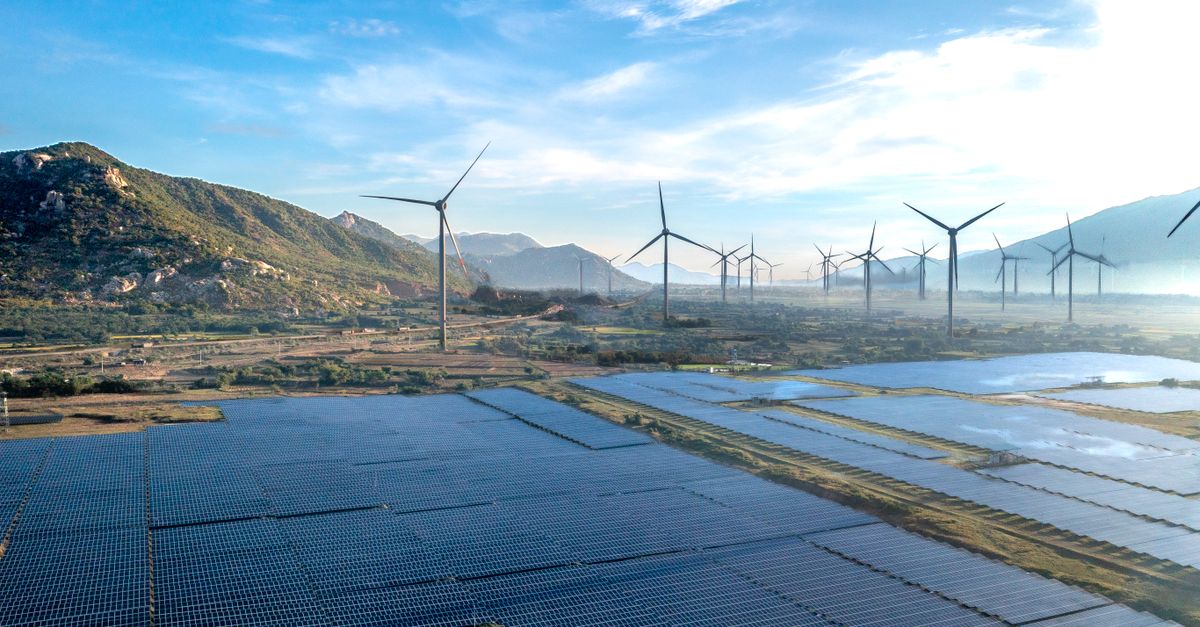
China’s growing focus on renewable energy and greater self-sufficiency is now widely regarded as a strategic strength in this setting. By cutting reliance on outside resources, the nation has placed itself in a stronger position to withstand shocks triggered by global disruptions, an approach that has also reinforced its reputation as a steady presence on the international stage.
China’s global positioning amid conflict
Throughout the Iran crisis, China has aimed to cast itself as a champion of calm and constructive dialogue. Its statements have emphasized peaceful solutions and backing for developing nations burdened by surging energy prices. This position has appealed to several countries, especially those seeking options beyond traditional Western leadership.
Observers note that the contrast between China’s approach and that of the United States has not gone unnoticed. While Washington has been directly involved in the conflict, Beijing has maintained a more measured posture, focusing on diplomacy and economic support. This difference has contributed to perceptions of China as a steadying force during a period of uncertainty.
As this unfolds, China also feels the economic repercussions of the conflict. Rising energy costs and interruptions to trade corridors have left their mark, even as the country works to counter these pressures through strategic measures. The broader outlook reflects guarded optimism balanced by recognition of persistent risks.
Historical context and lingering tensions
The upcoming meeting between Xi and Trump will unfold amid a complicated and frequently tense relationship, and although earlier encounters such as Trump’s 2017 visit to Beijing featured highly choreographed diplomatic gestures, the intervening years have brought steadily rising friction between the two countries.
Disagreements involving trade, technology, and security have increasingly shaped the relationship, while matters like Taiwan and allegations linked to the COVID-19 pandemic have widened the rift. Episodes such as the prominent surveillance balloon incident have likewise intensified mutual suspicion.
Given this background, realism keeps expectations for the summit in check, with both parties likely entering the discussions holding defined goals yet anticipating only modest advances rather than major breakthroughs, making gradual improvements the most attainable result.
Setting the right expectations before the meeting
Chinese officials seem determined to uphold a measured stance as the summit approaches, with public remarks steering clear of direct critiques of Trump to deliberately temper potential friction. On the U.S. side, officials have likewise exercised caution when discussing delicate matters, signaling that both parties are interested in keeping the door open for productive dialogue.
Although opinions vary regarding the effects of the Iran conflict, there is broad agreement that the relationship between China and the United States remains one of the most influential forces in global affairs, and the decisions reached at the summit could reshape both their bilateral engagement and the wider international landscape.
As preparations move forward, both governments will likely concentrate on domains where advancement seems achievable while handling their differences with measured caution, and the intricate nature of these matters ensures that resulting decisions will be influenced by strategic considerations, outside forces, and a shifting geopolitical landscape.
The planned meeting between Xi Jinping and Donald Trump represents more than just a diplomatic engagement. It is a reflection of the shifting balance of power in a world where regional conflicts and global competition are increasingly intertwined. Whether the talks lead to meaningful progress or simply reaffirm existing positions, they will play a role in defining the next phase of relations between two of the world’s most influential nations.