
A pivotal encounter between China and the United States is drawing near amid mounting geopolitical uncertainty.
China continues moving forward with plans for a high‑level meeting between its leader Xi Jinping and U.S. President Donald Trump, even as turmoil across the Middle East adds complexity to the diplomatic landscape. The summit, now anticipated for mid‑May, is regarded in Beijing as a key opportunity to adjust its relationship with Washington amid persistent tensions and uncertainty.
Sources close to internal deliberations indicate that Chinese officials regard the extended U.S. engagement in a confrontation with Iran as a factor that may have subtly altered the tone of negotiations. Though not publicly acknowledged, some policymakers believe that Washington’s overseas difficulties could grant Beijing a slight edge in forthcoming discussions. However, this interpretation is far from universal, as others advocate caution due to the situation’s inherent unpredictability.
A summit shaped by global instability
The meeting between Xi and Trump had originally been planned to advance agreements on trade, technology, and other shared priorities, but the situation involving Iran has added a new level of complexity, turning what was expected to be a well‑structured diplomatic interaction into a negotiation shaped by swiftly shifting global circumstances.
Chinese analysts emphasize that relations with the United States remain the cornerstone of Beijing’s foreign policy. Stabilizing ties between the two countries is seen as essential not only for bilateral cooperation but also for maintaining broader international equilibrium. This perspective underscores why the summit carries such weight, even as external crises threaten to overshadow it.
At the same time, the situation in the Middle East presents tangible risks for China. One of the most pressing concerns involves the Strait of Hormuz, a critical route through which a substantial portion of China’s imported energy supplies flows. Any prolonged disruption there could have serious economic implications, adding urgency to Beijing’s careful approach.
Contrasting perspectives across Beijing
Despite broad agreement on the summit’s significance, China lacks a single clear approach for handling the situation. Some officials argue that the United States might be keen to wrap up its role in Iran quickly, especially if the conflict keeps eroding political backing at home. Others caution that the erratic nature of U.S. policy makes any definitive judgment uncertain.
Concerns also extend to how the sequence of events might be interpreted globally. For instance, if Trump were to escalate military action against Iran either before or after visiting China, it could create diplomatic complications for Beijing, especially given its ties with Tehran. Balancing these relationships requires a nuanced strategy that avoids appearing aligned too closely with any one side.
China’s ties with Iran have long been anchored in energy collaboration and wider strategic priorities, leading observers to track conflict-related developments not only for their direct consequences but also for how they might alter regional alignments. Chinese policymakers remain acutely mindful of scenarios such as potential political shifts within Iran, which could significantly influence these dynamics.
Notable changes in perceived bargaining power
Some analysts argue that the difficulties faced by the United States in the Iran conflict may have weakened its position ahead of negotiations with China. According to this view, Washington’s inability to secure a clear outcome could limit its influence at the bargaining table. This perspective suggests that Beijing may have more room to push for concessions in areas such as trade and technology.
Among the issues likely to feature prominently in discussions are restrictions on advanced technology exports, the status of Chinese companies under U.S. sanctions, and Washington’s stance on Taiwan. China is also expected to use its vast domestic market as a bargaining tool, potentially offering increased imports of American goods in exchange for policy adjustments.
However, not all observers agree that the balance of power has shifted significantly. Some experts maintain that both countries retain substantial leverage over each other, particularly given the depth of their economic interdependence. From this standpoint, the Iran situation may influence the tone of the talks without fundamentally altering their dynamics.
Economic and political considerations
The timing of the summit holds added importance within the landscape of domestic politics in the United States. As midterm elections draw nearer, Trump may face mounting pressure to showcase concrete accomplishments abroad. A productive trip to China, paired with declarations of substantial trade deals or agreements, could become a powerful political advantage.
For China, the calculation takes a different yet equally intricate turn. Beijing is maneuvering through a global landscape shaped by economic instability and evolving alliances. The continuing conflict has intensified fluctuations in energy markets and underscored the need for strategic long-range planning and stronger resilience.
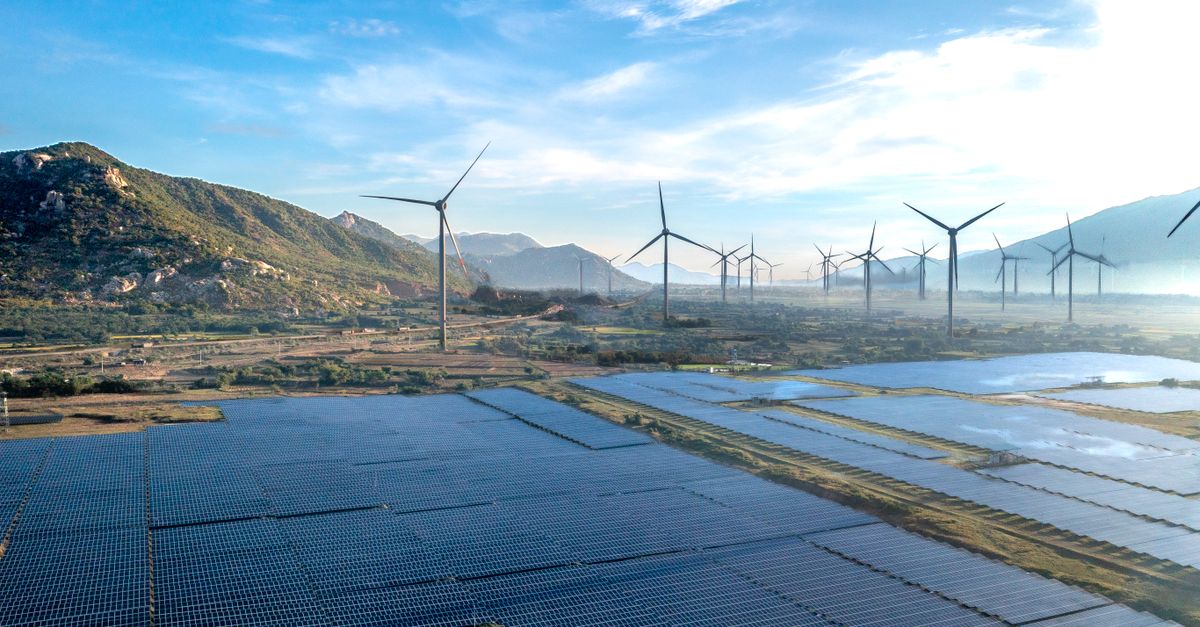
China’s growing focus on renewable energy and greater self-sufficiency is now widely regarded as a strategic strength in this setting. By cutting reliance on outside resources, the nation has placed itself in a stronger position to withstand shocks triggered by global disruptions, an approach that has also reinforced its reputation as a steady presence on the international stage.
China’s global positioning amid conflict
Throughout the Iran crisis, China has sought to present itself as a proponent of stability and dialogue. Calls for peaceful resolution and support for developing nations affected by rising energy costs have been central to its messaging. This stance has resonated with some countries, particularly those looking for alternatives to traditional Western leadership.
Observers report that the contrast between China’s strategy and that of the United States has drawn considerable attention, as Washington remains directly engaged in the conflict while Beijing adopts a more restrained stance centered on diplomacy and economic backing, a divergence that has shaped views of China as a stabilizing presence in an unsettled period.
As this unfolds, China also feels the economic repercussions of the conflict. Rising energy costs and interruptions to trade corridors have left their mark, even as the country works to counter these pressures through strategic measures. The broader outlook reflects guarded optimism balanced by recognition of persistent risks.
Historical backdrop and ongoing frictions
The upcoming meeting between Xi and Trump will take place against the backdrop of a complex and often strained relationship. While previous engagements, including Trump’s visit to Beijing in 2017, were marked by elaborate displays of diplomacy, the years since have seen increasing friction between the two nations.
Disputes over trade, technology, and security have become defining features of the relationship. Issues such as Taiwan and accusations related to the COVID-19 pandemic have further deepened divisions. Incidents like the high-profile surveillance balloon controversy have also contributed to mutual distrust.
Given this history, expectations for the summit are tempered by realism. Both sides are likely to approach the talks with clear objectives but limited expectations for breakthrough agreements. Incremental progress, rather than sweeping change, may be the most achievable outcome.
Managing expectations ahead of the meeting
Chinese officials seem determined to uphold a measured stance as the summit approaches, with public remarks steering clear of direct critiques of Trump to deliberately temper potential friction. On the U.S. side, officials have likewise exercised caution when discussing delicate matters, signaling that both parties are interested in keeping the door open for productive dialogue.
Despite differing perspectives on the impact of the Iran conflict, there is a shared recognition that the relationship between China and the United States remains one of the most consequential in global affairs. Decisions made during the summit could influence not only bilateral ties but also broader international dynamics.
As preparations move forward, both governments will likely concentrate on domains where advancement seems achievable while handling their differences with measured caution, and the intricate nature of these matters ensures that resulting decisions will be influenced by strategic considerations, outside forces, and a shifting geopolitical landscape.
The anticipated meeting between Xi Jinping and Donald Trump goes beyond a routine diplomatic exchange, signaling a broader shift in global power dynamics shaped by overlapping regional conflicts and rising international rivalry, and whether these discussions yield substantive breakthroughs or merely restate entrenched viewpoints, they are poised to influence the upcoming chapter in the relationship between two of the world’s most powerful nations.