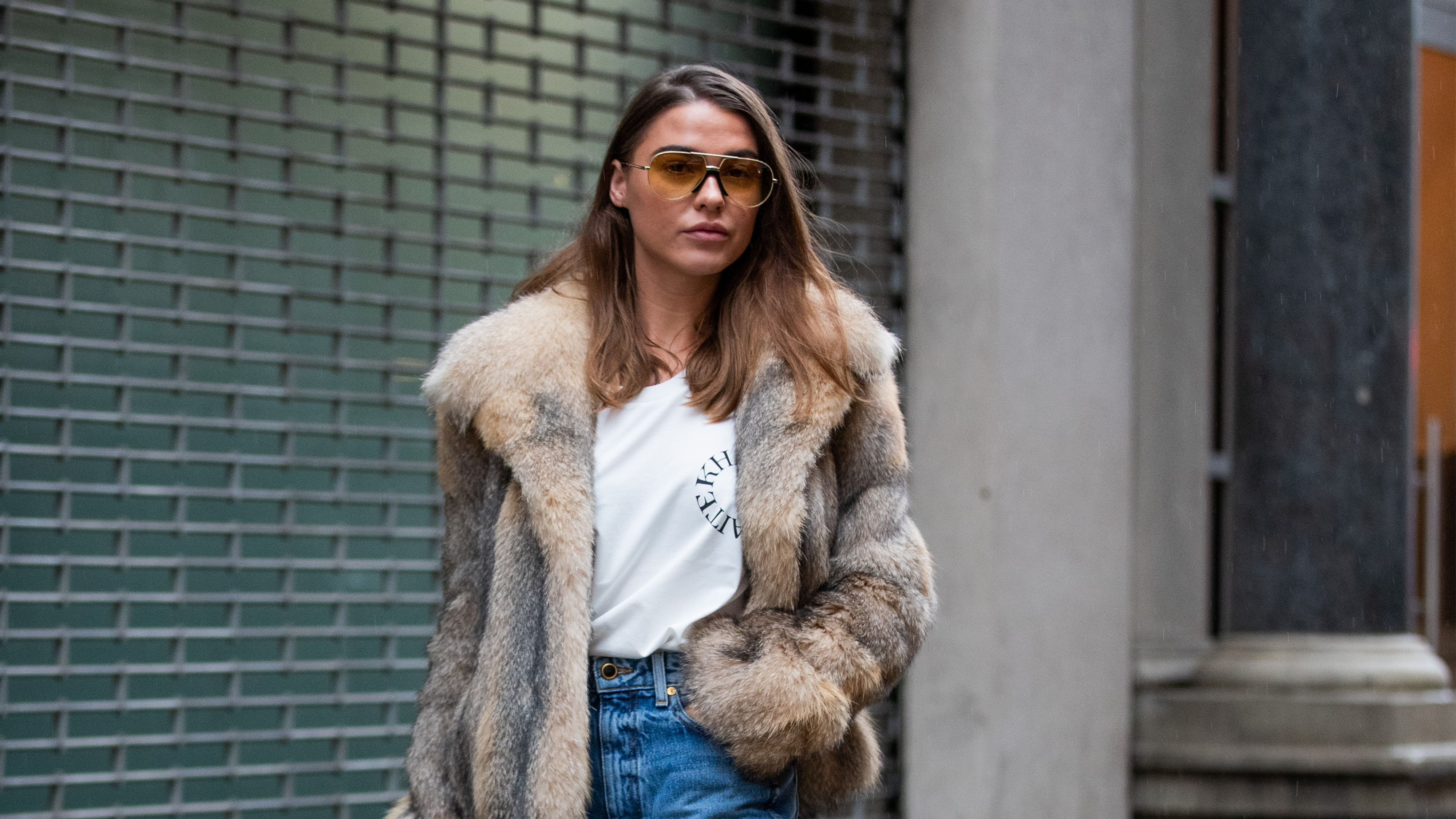
Comprehending Simplicity in Fashion
Minimalist fashion is a style movement characterized by its focus on simplicity, functionality, and uncluttered aesthetics. Rooted in the broader minimalist art and design movement of the mid-20th century, this approach to fashion emphasizes essentiality where form follows function, and every garment serves a clear purpose.
Key Principles of Minimalist Fashion
Elegance is central to minimalist clothing style. In contrast to other fashion trends that focus on intricate designs and a plethora of decorations, minimalist style emphasizes straightforward lines and single-toned color palettes. Fashion creators typically select neutral hues like black, white, gray, and beige for their enduring quality and adaptability.
Functionality plays a significant role in this fashion movement. Minimalist garments are often designed with practicality in mind. These pieces usually have a clean-cut silhouette and are made from high-quality fabrics, ensuring both comfort and longevity. The absence of unnecessary adornment means the focus is on the garment’s fit and quality.
Enduring style is a defining aspect of minimalist fashion. By adopting timeless silhouettes and designs, minimalist garments surpass fleeting fashion trends. This methodology supports sustainability by advocating for a compact yet superior wardrobe that doesn’t need frequent refreshment.
Historical Context and Evolution
Minimalist fashion gained prominence in the 1960s, influenced by the minimalist art movement, which prioritized simplicity and abstraction. Designers such as Coco Chanel and Yves Saint Laurent pioneered this aesthetic, shifting focus away from the ornate styles of previous decades to embrace a more refined silhouette.
During the 1990s, minimalist fashion saw a revival thanks to designers such as Calvin Klein and Jil Sander. Their lines featured clean, simple styles that highlighted the elegance of materials and skilled artistry.
The era of technology has greatly advanced minimalist style, with companies adopting straightforwardness to distinguish themselves in a crowded industry. Platforms like social media have enabled minimalist trendsetters to demonstrate how streamlined, basic outfits can be both useful and stylish.
The Contemporary Streamlined Closet
A contemporary minimalist wardrobe contains flexible essentials. These components comprise a fitted blazer, a timeless white blouse, dark pants, a premium pair of denim, and an uncomplicated black dress. Accessories such as leather purses or simple jewelry should enhance these items without dominating. The focus is on selecting pieces that are both fashionable and long-lasting, fostering a sense of personal consistency.
The Emotional Attraction of Simple Style
A reason why minimalist style appeals to many people is its ability to minimize decision overload. By owning a smaller set of more adaptable clothing choices, individuals can simplify their everyday dressing habits, leading to a less stressful and more effective process.
Additionally, the minimalist philosophy often reflects a broader lifestyle choice—prioritizing quality over quantity, and focusing on what truly brings value and joy. It aligns with the growing emphasis on sustainability and mindful living, which appeals to environmentally conscious consumers.
Hurdles and Evaluation
Although minimalist style offers numerous benefits, it does come with its own set of difficulties. Detractors claim that this fashion can seem dull and monotonous. The preference for subtle shades and simple items might be restricting for individuals who appreciate vibrant and dynamic clothing.
Additionally, accessibility poses a concern since high-quality minimalist apparel can come with a hefty price tag, possibly preventing individuals with limited financial resources from fully adopting the style.
For all its challenges, minimalist fashion continues to attract a dedicated following, offering a streamlined alternative to the often overwhelming array of fashion choices. It embodies a philosophy of thoughtful consumption and intentional style, inviting individuals to cultivate a wardrobe that is both functional and expressive.