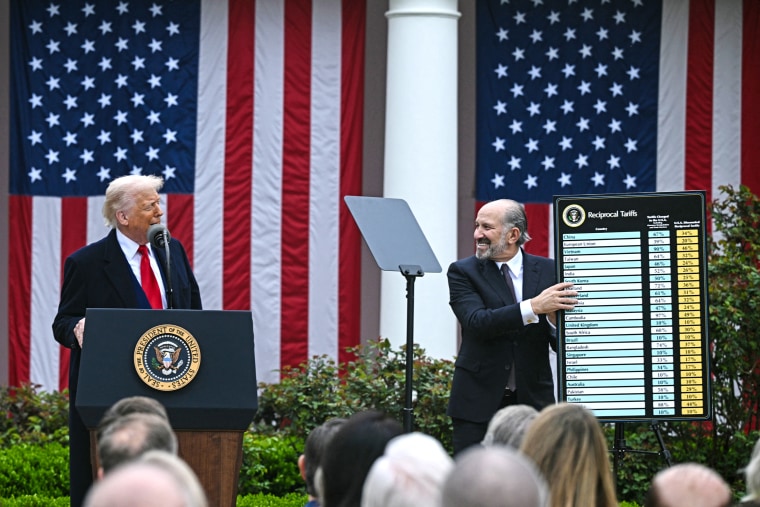
Recent changes in trade policies have led to a reduction in tariffs imposed by China, which have seen significant fluctuations over the past few years. While the previous rate of 145% has been lowered, the impact on small businesses remains severe. For many entrepreneurs navigating these turbulent waters, the situation continues to be challenging and discouraging.
Small enterprises frequently work with minimal profit margins, which makes them especially susceptible to shifts in trade policies and tariffs. Although there have been rate decreases, the persistent impact of elevated tariffs can hinder expansion and restrict possibilities. Numerous small business proprietors indicate that expenses tied to importing materials and products continue to be excessively high, influencing their profits and overall sustainability.
In the past, steep tariffs were intended to protect domestic industries from foreign competition. However, as these tariffs have evolved, they have created an environment where small businesses find it increasingly difficult to compete. While larger corporations may have the resources to absorb these costs or pass them on to consumers, small businesses often lack that flexibility. This creates an uneven playing field, where small operators struggle to maintain their market presence.
The decrease in import duties may imply a beneficial change for small enterprises, but the truth is more complicated. Numerous business owners have dedicated substantial efforts and resources to adjust to the former high duties. Consequently, abrupt policy changes can cause confusion and additional financial pressure. Now, small business proprietors face the challenge of dealing with the unpredictability of upcoming trade deals and the possibility of tariffs varying once more.
Moreover, the broader economic landscape plays a crucial role in shaping the experiences of small businesses. Factors such as inflation, supply chain disruptions, and changing consumer behaviors all contribute to the challenges faced by these enterprises. Even as tariffs decrease, the overall environment can remain hostile, making it difficult for small businesses to thrive.
Another significant concern is the long-term sustainability of these businesses. Many entrepreneurs express fear that without consistent support and favorable trade conditions, their operations may not survive. The unpredictability of tariffs and trade relations can lead to a lack of confidence among small business owners, influencing their decisions regarding investment and expansion.
Además de los desafíos económicos, las pequeñas empresas también enfrentan el impacto emocional de navegar en estas aguas turbulentas. El estrés de dirigir un negocio en condiciones inciertas puede llevar al agotamiento y la frustración. Los emprendedores suelen ser apasionados por su trabajo, pero cuando factores externos crean obstáculos para el éxito, puede ser desalentador.
To better support small businesses, policymakers need to consider the unique challenges they face in the current trade environment. Solutions may include providing clearer guidance on trade policies, offering financial assistance during transitions, and fostering an environment where small businesses can compete fairly. Collaborative efforts between government and business owners can help to create a more stable and supportive framework.
As small businesses continue to adapt to these changes, it is crucial for them to remain resilient. Building strong networks, seeking out new markets, and exploring innovative solutions can help them navigate the complexities of the current economic landscape. By focusing on adaptability and community support, small businesses can work towards overcoming the challenges posed by tariffs and other external pressures.
In summary, while the reduction in China tariffs may seem like a step in the right direction, the reality for small businesses is that the situation remains dire. Entrepreneurs continue to face significant obstacles that threaten their sustainability and growth. It is essential for both business owners and policymakers to recognize these challenges and work together to cultivate a more favorable environment for small businesses going forward.

.jpg "How to Set Up an Offshore Company in Panama")
.jpg "Panama Pensionado Visa Requirements 2026")