Understanding the Essence of Quentin Tarantino’s Cinema
Quentin Tarantino holds a unique position in the modern film arena. Starting with his notable entrance with Reservoir Dogs, through the genre-blending Kill Bill series, and the reimagined epics of Inglourious Basterds and Django Unchained, his films are remarkable for their distinctive blend of style, depth, and narrative. Understanding what characterizes Quentin Tarantino’s movies involves examining several crucial aspects: narrative creativity, distinctive visual style, dialogue, musical selection, and the balance between violence and humor.
Nonlinear Narratives and Storytelling Innovation
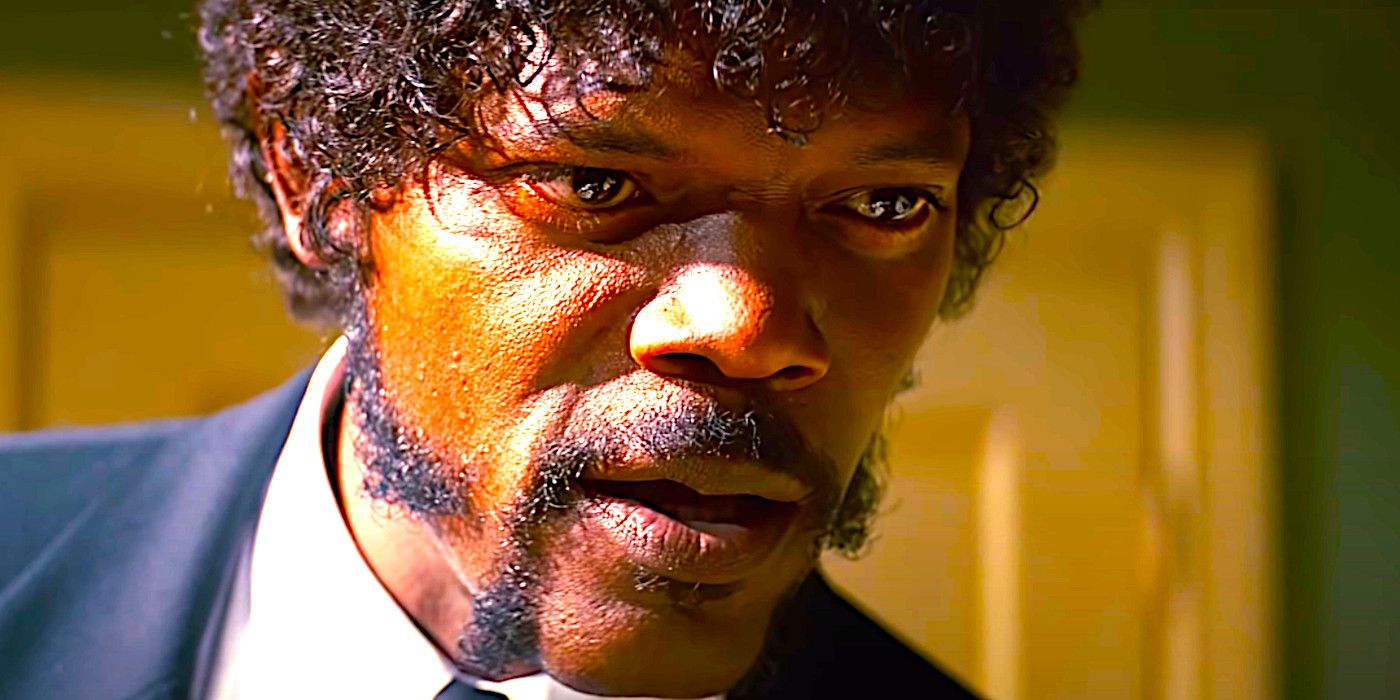
Tarantino’s films frequently subvert linear storytelling. This attribute is perhaps best exemplified in Pulp Fiction, where multiple narrative threads interweave and overlap, allowing events to be viewed from varying perspectives and non-chronological sequences. The segmenting of the narrative into titled chapters, which is also present in Kill Bill and The Hateful Eight, allows him to play with audience expectation and engagement.
The nonlinear approach is not merely a stylistic flourish but a tool to deepen character development and thematic exploration. By revealing outcomes before their causes or juxtaposing disparate storylines, Tarantino encourages viewers to piece together the narrative puzzle, fostering a dynamic relationship with the audience.
Stylistic Homage and Cinematic References
Tarantino’s filmmaking is defined by his encyclopedic knowledge of movie history and his penchant for homage. His works are replete with references to classic films, genres, and directors—from the spaghetti westerns of Sergio Leone and the grindhouse exploitation films of the seventies, to the martial arts epics that inspired the visual language of Kill Bill. These references are rarely superficial; instead, they serve as building blocks for a new, postmodern language of cinema.
The filmmaker’s distinctive visual approach features precise composition, lively tracking movements, and vibrant color schemes. For instance, in Jackie Brown, Tarantino employs divided screens and intricately planned camera maneuvers to pay homage to the blaxploitation movies he greatly reveres. His preference for extended takes immerses the audience in the characters’ environments, building suspense through the length and visual arrangement.
Sharp Dialogue and Iconic Characterization
Tarantino’s screenplays elevate dialogue to an art form. His characters speak in distinctive, often verbose patterns, blending pop culture, philosophy, and dark humor. The diner scene in Reservoir Dogs—where the characters debate tipping etiquette—becomes a platform for establishing personality, setting tone, and alluding to broader social dynamics.
Such dialogues often operate in the realm of the quotidian, yet they are charged with subtext and dramatic potential. The opening scene of Inglourious Basterds, in which Colonel Hans Landa interrogates a French farmer, stands as a case study in narrative tension: the conversation moves between the mundane and the menacing, illustrating Tarantino’s gift for escalating anxiety through language.
Curated Musical Soundscapes
The auditory landscape in Tarantino’s films is carefully curated and integral to storytelling. Eschewing traditional scores, he opts for eclectic soundtracks that span surf rock, soul, and even Morricone-infused western motifs. The juxtaposition of imagery and music often creates a discordant, memorable effect—recall the juxtaposition of Stealer’s Wheel’s “Stuck in the Middle with You” and the infamous ear-cutting scene in Reservoir Dogs.
This method of musical support is not merely decorative; it frequently reshapes whole sequences, either boosting their intensity or altering their atmosphere. The outcome is a cinematic encounter in which music and storytelling are closely intertwined.
Depictions of Intense Violence and Balancing Comedy
The films of Tarantino are well-known for their vivid portrayals of violence. However, what distinguishes his method is the contrasting inclusion of dark, frequently absurd humor. The violent scenes in his movies may be exaggerated or stylized, reflecting the traditions of pulp fiction and exploitation genres instead of aiming for realism.
For example, Kill Bill: Vol. 1 uses comic-style blood effects and over-the-top fight scenes, turning aggression into a visual show. In Pulp Fiction, instances of unexpected violence are often balanced by dry humor—like the unintended shooting in the vehicle—which both startles and amuses.
Subverting Genre and Audience Expectations
Tarantino plays with traditional genre expectations, avoiding being limited by classifications. Inglourious Basterds transforms the war movie into a mix of spaghetti western, historical saga, and dark humor. Jackie Brown breathes new life into the heist story with drama focused on characters, while Death Proof acts as both an homage to and a commentary on the slasher and car-chase genres.
This deviation also encompasses the narrative resolutions. While conventional genre movies follow predictable storylines or ethical endings, Tarantino’s creations often disrupt these conventions, as seen in the revenge-driven alternate history depicted in Inglourious Basterds, where Hitler’s destiny is drastically changed.
Dynamic Figures and Intense Acts
Tarantino’s cinema is populated by memorable, often morally ambiguous characters, brought to life through visceral performances. Whether it is the vengeful Bride in Kill Bill, the enigmatic Mr. White in Reservoir Dogs, or the charismatic Django in Django Unchained, these characters resist simplistic categorization.
The director’s penchant for casting actors in roles that defy their type or revive their careers is well documented; John Travolta’s central part in Pulp Fiction and Pam Grier’s title role in Jackie Brown are iconic examples. This attention to casting enhances the unpredictability and freshness of his films.
Dialogue with Film History and Popular Culture
Tarantino’s screenplays are filled with nods to classic movies, shows, comics, and songs, establishing a metatextual conversation with the viewers. This self-referential nature attracts film enthusiasts and engages the audience with the recognizable and playful pop culture references.
He often incorporates visual motifs, costume choices, and set designs that echo his influences. The yellow jumpsuit worn by The Bride in Kill Bill: Vol. 1 pays homage to Bruce Lee, while numerous set-pieces in Once Upon a Time in Hollywood recreate the zeitgeist of 1960s Los Angeles with loving fidelity.
Heritage and Ongoing Impact
Quentin Tarantino’s filmography has impacted a generation of directors and molded the tastes of today’s audiences. His approaches—blending different film genres, honoring the history of cinema, focusing on unconventional stories, and possessing a unique personal style—form the foundation of his distinctive film identity.
In contemplating what defines Tarantino’s cinema, one discerns a restless inventiveness, a reverence for film tradition paired with fearless boundary-pushing, and an enduring belief in the power of storytelling to surprise, challenge, and captivate. His films do not merely tell stories; they actively engage with both the history and future of cinema, making the experience of watching his work a multilayered dialogue between filmmaker, audience, and the rich tapestry of film itself.