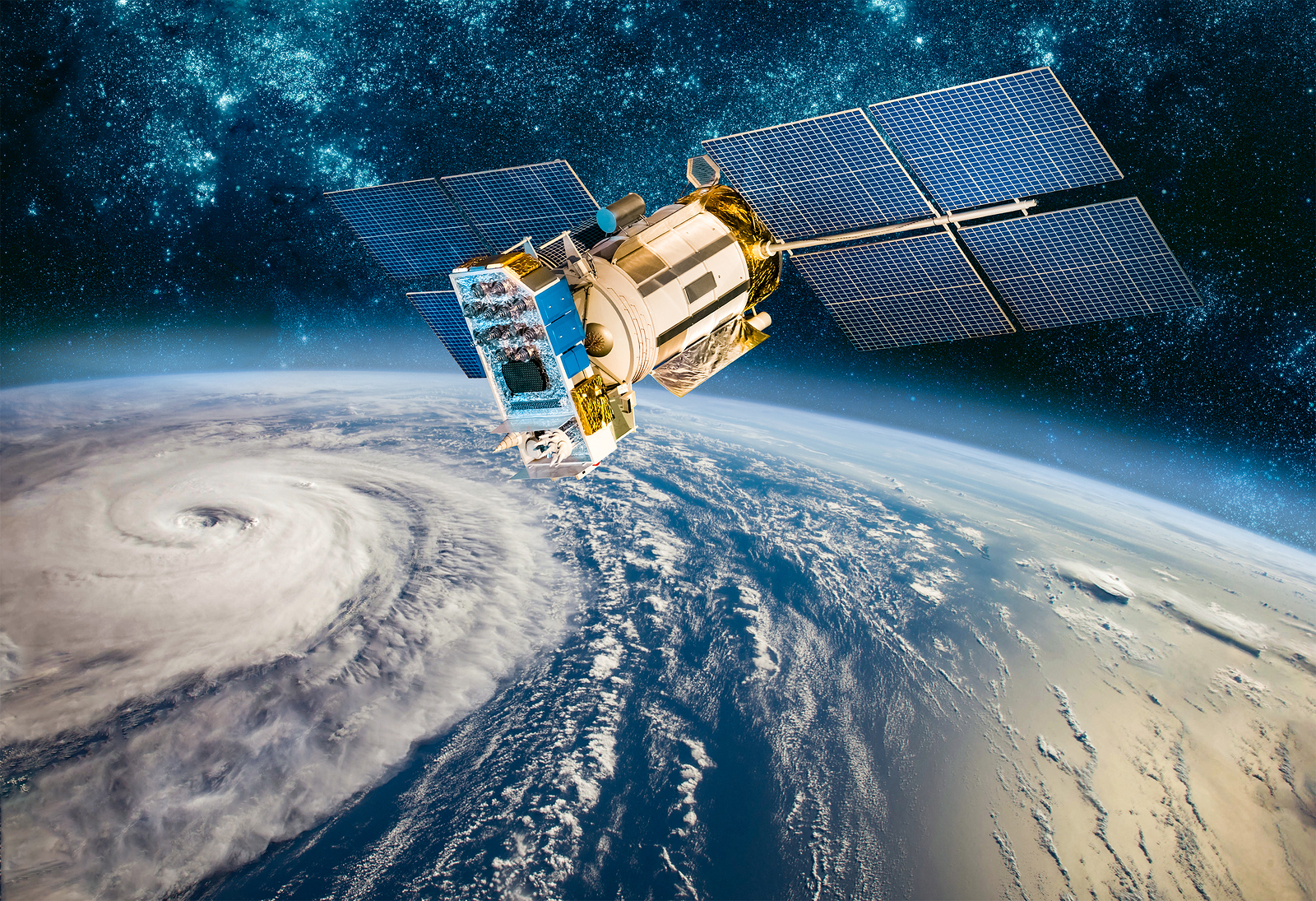
The recent loss of an $88 million satellite designed to monitor pollution from orbit has sparked worry among scientists and environmental groups. Deployed to gather crucial information about air quality and greenhouse gas emissions, the satellite unexpectedly fell silent soon after its launch, putting its mission at risk.
The satellite was specifically designed to offer precise measurements of pollutants and carbon emissions from industrial activity, transportation, and other human-made sources. Its absence represents a significant setback for ongoing efforts to monitor climate change and develop strategies for reducing harmful emissions. The data it was meant to gather would have contributed to global climate models, informed environmental policies, and supported international agreements aimed at mitigating environmental damage.
Initiated with great expectations, the satellite was equipped with sophisticated tools designed to identify a range of pollutants in the air, such as nitrogen dioxide, methane, and small particulate substances. This data would have enabled scientists to gain a deeper insight into the origins and effects of pollution, assisting countries in focusing on particular locations for action. The absence of this vital information causes delays for the scientific world in obtaining immediate details crucial for monitoring environmental changes and ensuring polluters are held liable.
Space agencies and technical teams are putting significant effort into restoring contact with the satellite, though the prospects are still unclear. Should the satellite be irretrievable, it would mean not just a monetary setback but also an obstacle to progress in atmospheric research. Satellites are crucial for environmental surveillance, offering extensive and current data that cannot be obtained solely through ground-based sensors.
This incident highlights the complexity and inherent risks of space exploration and satellite deployment. While space-based observation has become an increasingly vital tool for environmental science, technical malfunctions and unforeseen events continue to pose challenges. The inability to communicate with the satellite underlines the importance of redundancy and backup systems to ensure critical missions can withstand unexpected setbacks.
The satellite’s primary goal was to assist in the global fight against climate change by offering a clear, unbiased picture of how human activities impact the atmosphere. Its sophisticated sensors would have helped map emissions patterns over time, providing insights into the effectiveness of environmental regulations and clean energy initiatives. By capturing detailed images and measurements from space, the satellite would have offered an unparalleled perspective on pollution, contributing to the growing body of research necessary for informed decision-making.
Besides keeping an eye on contaminants, the satellite was also anticipated to observe the impact of wildfires, industrial mishaps, and natural catastrophes that emit dangerous materials into the air. As climate change heightens both the rate and intensity of these occurrences, immediate data from orbit has become crucial for swift responses and mitigation strategies. The unexpected loss of communication with this satellite creates a significant void in this function, possibly reducing the efficiency and accuracy with which environmental organizations can address emergencies.
The loss of contact is a stark reminder that despite technological advances, space missions remain vulnerable to failure. The stakes are particularly high when missions are tied to urgent global challenges such as air pollution and climate change. While ground stations and other satellites may partially fill the data gap, the specific capabilities of this missing satellite were uniquely valuable.
Environmental organizations and climate researchers have expressed disappointment over the setback, emphasizing the importance of continued investment in earth observation technologies. Such satellites not only advance scientific knowledge but also provide the transparency needed to hold industries and governments accountable for their environmental impact. Reliable and accurate data from space is essential for crafting effective environmental policies and for international cooperation on pressing global issues.
The disappearance of this pollution-tracking satellite may prompt a reevaluation of current strategies in satellite design and deployment. Engineers may be encouraged to adopt more resilient technologies, diversify data sources, and develop quicker contingency plans for future missions. Meanwhile, the scientific community must adapt to the temporary absence of this critical data stream, relying on existing networks and alternative technologies to continue the essential work of monitoring the planet’s atmosphere.
In the broader context, this incident underscores the interconnectedness of space exploration, environmental science, and public policy. As the world grapples with climate change and air pollution, the tools used to measure progress—or the lack thereof—become increasingly vital. Space-based monitoring remains one of the most effective ways to gain a comprehensive understanding of global environmental trends, and setbacks like this highlight both the potential and the challenges of relying on advanced technology for this purpose.
As attempts to re-establish contact with the satellite go on, there remains optimism that communication might be resumed. No matter the result, the mission highlights the essential role of technology in tackling environmental problems and the necessity for ongoing innovation and perseverance when confronted with obstacles.