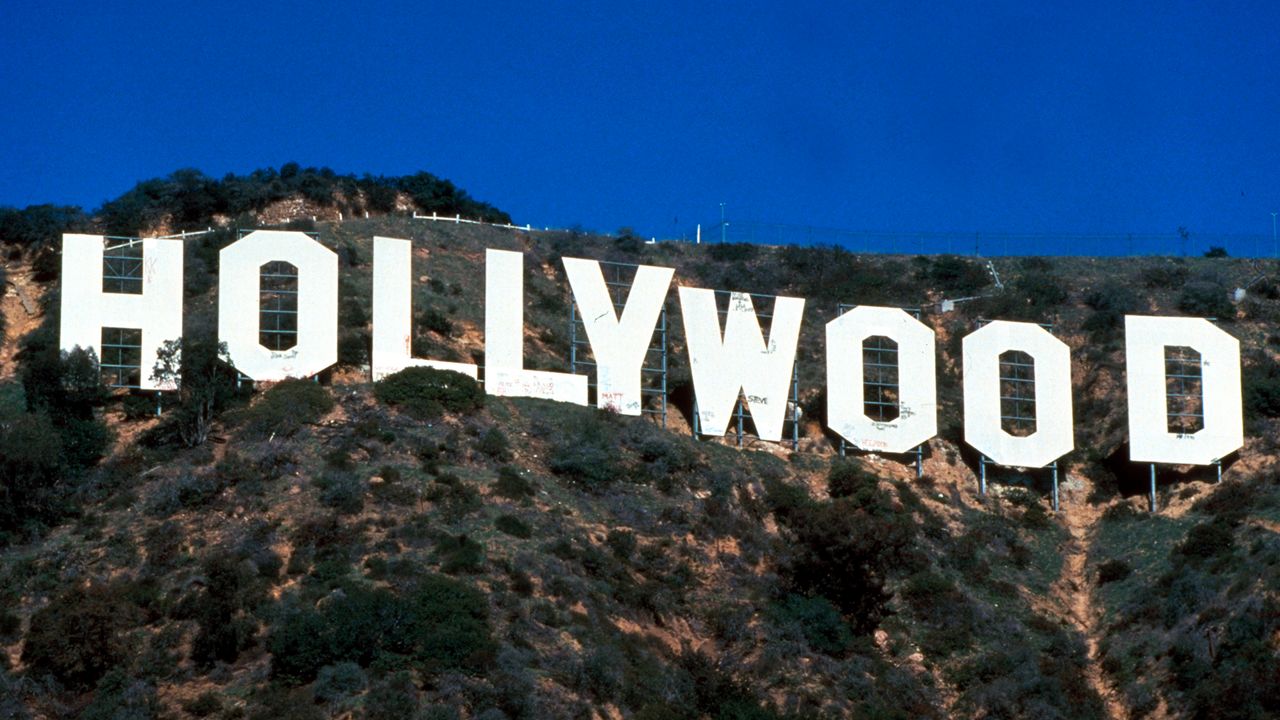
Few landmarks capture the imagination quite like the iconic Hollywood sign perched above Los Angeles. It stands not only as a symbol of the entertainment industry but also as a beacon for dreamers around the world. Yet, not everyone knows that this globally recognized symbol was once on the brink of destruction—and that rock legend Alice Cooper played a surprising role in saving it.
In the late 1970s, the famous Hollywood sign was in critical disrepair. The iconic letters that showcased “Hollywood” had suffered significantly due to age, exposure to the elements, and disregard. A number of the initial characters were harmed, with a few so worn out they were in danger of falling entirely. The sign, first installed in 1923 as “Hollywoodland” to advertise a housing project, had turned into a cherished yet deteriorating symbol of California’s golden era of filmmaking.
As the condition declined further, there was a genuine chance that the landmark could be gone forever. The City of Los Angeles did not have the financial resources required for a complete renovation. What had been an emblem of dreams and allure was in danger of turning into a recollection—unless a party intervened to alter the course of the sign.
Enter Alice Cooper, the pioneering shock rocker known for his theatrical stage performances, dark lyrics, and onstage antics. While Cooper’s public image leaned heavily into gothic showmanship, offstage he possessed a genuine affection for cultural icons and the history that shaped them.
In 1978, during an era when his musical career was already well-established, Cooper learned of the Hollywood sign’s plight. Moved by the prospect of losing such a cultural treasure, he became one of the first public figures to take concrete action to preserve it. To help finance the necessary restoration, he sponsored the replacement of one of the letters—the second “O”—donating a substantial sum toward its rebuilding.
Cooper’s motivation wasn’t solely about preserving a landmark; it also carried a deeply personal element. The letter he chose to fund, the “O,” was dedicated to the memory of Groucho Marx, the legendary comedian and actor who had been a personal friend and mentor to Cooper. Their unlikely friendship, which blossomed in the early 1970s, had a profound impact on Cooper, and saving the sign was a meaningful way to honor Marx’s legacy within the heart of the entertainment world they both cherished.
Cooper wasn’t alone in this mission. The effort to restore the Hollywood sign became a collective cause, drawing support from a range of celebrities and private donors. Each new letter had its own sponsor. Hugh Hefner, the founder of Playboy, organized a fundraiser that played a pivotal role in securing the financial backing needed for the full restoration. Other contributors included rock musician Gene Autry and entertainer Andy Williams, all of whom understood the sign’s cultural importance.
The public campaign succeeded, and by 1978 the newly rebuilt Hollywood sign was unveiled, constructed with sturdier materials designed to withstand the test of time. Thanks to the combined efforts of passionate individuals like Alice Cooper, the sign was no longer a decaying relic but a restored emblem of ambition, artistry, and the power of popular culture.
Alice Cooper’s participation in the initiative reveals an aspect of the artist that is in stark contrast to his stage identity. It emphasizes his appreciation for the past and his readiness to leverage his sway to protect a part of our collective legacy. During interviews, Cooper has expressed the satisfaction he experienced by contributing to something so lasting, mentioning that the Hollywood sign symbolizes much more than simply the film realm—it embodies the aspirations of numerous individuals who journey to Los Angeles seeking opportunities.
The Hollywood sign has since been preserved and guarded, evolving into an internationally renowned symbol. Although countless visitors come to view it annually, a large number remain oblivious to the distinct history surrounding its preservation. The truth that a rock musician, known for tunes about the grim and the defiant, played a role in rescuing a cultural landmark highlights the unexpected crossroads of creativity, celebrity, and legacy.
Many years later, the Hollywood sign continues to be not just a famous site but also a symbol of the communal endeavor that rescued it from crumbling. Alice Cooper’s role has earned him an unforeseen position in Hollywood’s narrative—a tale not solely about luxury and fame, but about conservation, remembrance, and the individuals ready to act when an emblematic piece faces the danger of vanishing.
Through this act of preservation, Cooper and his fellow donors ensured that the symbol of Hollywood’s golden dreams would continue to inspire future generations. The once-tattered letters now gleam over the city, their survival owed, in part, to a rock star who saw beyond his own legend and chose to protect a greater one.