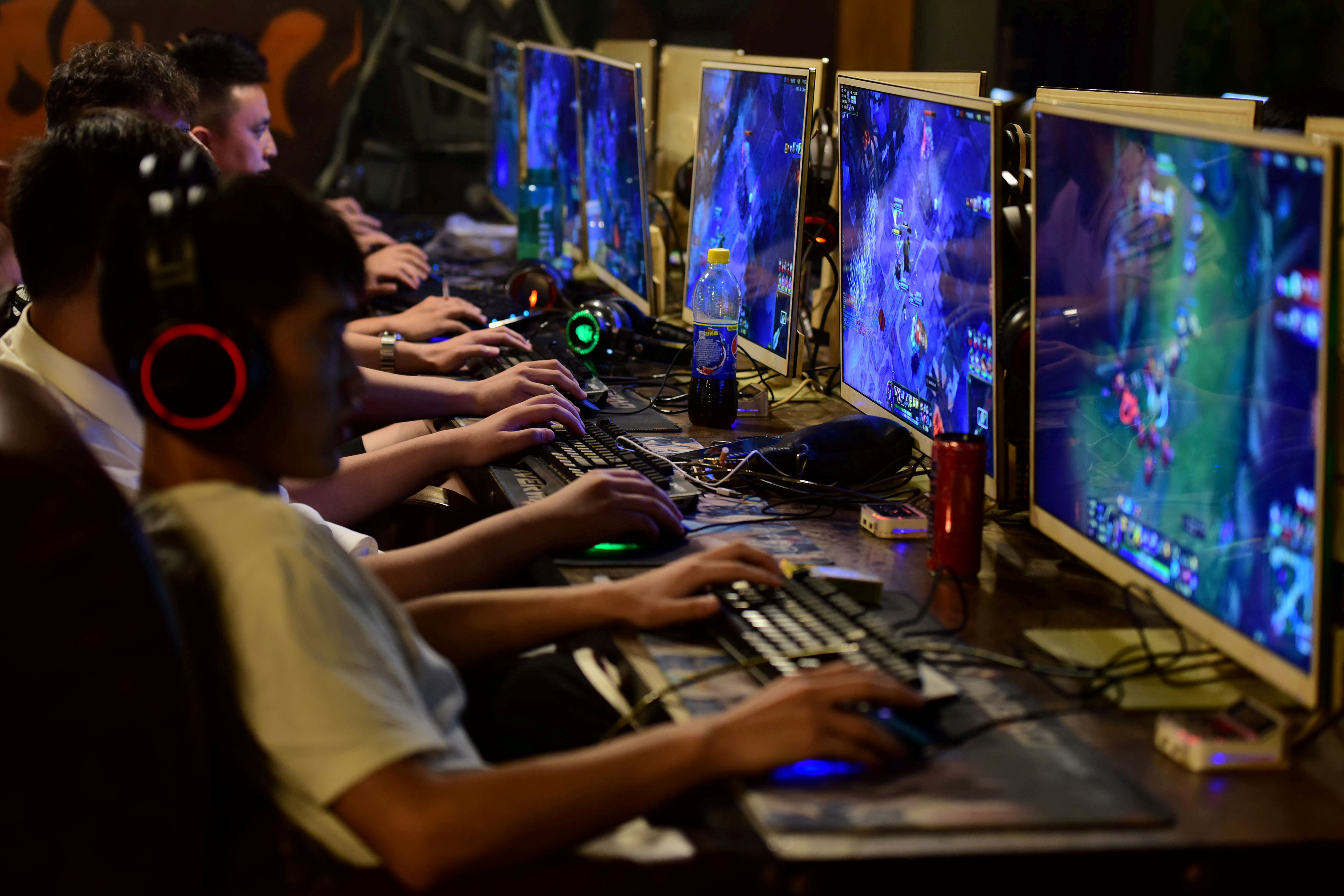
A recently released video game in China has ignited widespread public debate over gender stereotypes, sexism, and the portrayal of women in popular media. The controversy centers around a mobile game that encourages players to “expose” so-called “gold diggers”—a term often used to describe women perceived as seeking material gain through romantic relationships. The game has quickly become a cultural flashpoint, drawing criticism from feminist groups, social media users, and academics who argue that it perpetuates harmful gender biases in a society where discussions of gender equality are increasingly at the forefront.
The game’s premise is simple yet provocative. Players assume the role of a detective tasked with identifying women who are allegedly dating men for their wealth rather than for genuine affection. Through various in-game scenarios, players gather “evidence” to determine whether female characters have ulterior motives in their relationships. The more “gold diggers” players expose, the higher their score.
Since its release, the game has attracted millions of downloads, particularly among younger demographics. It has also sparked intense online discussions, with hashtags related to the game trending on Chinese social media platforms such as Weibo and Douyin. Supporters of the game argue that it offers lighthearted entertainment and a humorous take on a social phenomenon that has long existed in both Eastern and Western cultures. However, critics contend that the game reinforces negative stereotypes about women, reducing them to caricatures and perpetuating the idea that female relationships with men are primarily transactional.
In the midst of the debate is a wider discussion regarding gender roles within contemporary Chinese society. With the expansion of China’s economy and the evolution of social norms, conventional ideas about matrimony, careers, and family life have undergone significant changes. Today’s young women are increasingly likely to seek advanced education, aim for professional achievement, and embrace autonomy. These societal transformations have occasionally conflicted with more traditional or conservative perspectives, resulting in tension over the roles women should fulfill.
Feminist perspectives in China have been notably outspoken in criticizing the underlying message of the game. They contend that it diminishes women’s autonomy and reinforces the damaging stereotype that women who look for financial stability in partnerships are naturally deceitful or untrustworthy. Some commentators have likened the game’s depiction of women to enduring sexist stereotypes present in both classic and contemporary media.
The issue is further complicated by the social realities many women face in China. Economic pressures, rising costs of living, and persistent gender inequality in the workplace continue to influence women’s choices and opportunities. In some cases, women may prioritize financial stability in their relationships not out of greed but as a rational response to systemic barriers. By framing women as opportunists without acknowledging these structural factors, the game, critics say, reinforces sexist attitudes and undermines efforts toward greater gender equity.
Academic experts in gender studies have also weighed in, emphasizing that popular media—including video games—plays a significant role in shaping public perceptions and social norms. When games like this one become popular, they contribute to the normalization of certain attitudes toward women, potentially influencing how individuals view relationships in real life. Researchers warn that unchecked sexist messaging can contribute to the perpetuation of gender-based discrimination, both online and offline.
The controversy regarding the game arises at a moment when discussions about women’s rights and gender equality are growing in importance in China, despite significant obstacles. Recent years have witnessed an increase in feminist movements, focusing on issues such as sexual harassment, domestic violence, and discrimination at work. Although strides have been achieved, feminist advocates frequently encounter censorship, cyber harassment, and legal constraints that restrict their efforts.
In this situation, the growing appeal of a game that seems to mock women’s intentions in relationships is viewed by many as a step backwards. It illustrates the endurance of deeply rooted patriarchal beliefs and underscores the challenges of promoting gender equality in a society where conventional gender roles still prevail.
The game’s developers have defended their creation, asserting that it is intended as satire rather than a serious social commentary. They argue that the game lampoons both genders by also portraying male characters who fall victim to manipulation. However, critics point out that the primary focus remains on exposing women as deceitful figures, which reinforces the existing imbalance in gender portrayals.
The debate has once again sparked conversations around the governance of digital content in China. Although Chinese officials have previously blocked or limited video games due to portrayals of violence, betting, or content sensitive to politics, the rules regarding gender depiction remain varied. Certain experts propose that more robust content standards could aid in reducing the dissemination of media that perpetuates harmful stereotypes.
At the same time, the debate over the game reflects broader global conversations about sexism in gaming culture. The video game industry worldwide has often come under scrutiny for its portrayal of women, both in character design and in the stories it tells. From hypersexualized female characters to the underrepresentation of women in leadership roles within gaming companies, gender issues remain a persistent concern.
En China, el auge de los videojuegos móviles ha dado lugar a una industria enorme con cientos de millones de jugadores. A medida que los juegos se convierten en una forma central de entretenimiento e interacción social, los mensajes que transmiten poseen un peso cultural considerable. Esto hace que la controversia actual no se trate solo de un juego en particular, sino de los valores y narrativas que se están difundiendo a través de uno de los medios más influyentes de la era digital.
Certain members of the Chinese gaming community are advocating for a broader range of inclusive content, encouraging developers to move past traditional stereotypes and craft games that portray the intricacies of today’s society. These supporters contend that video games, being an art form and method of storytelling, hold the capability to question societal norms, foster empathy, and drive beneficial social transformation.
Others, on the other hand, support the ability of creators to delve into provocative topics, arguing that efforts to regulate content could limit artistic liberty. This conflict between creative freedom and societal accountability is not exclusive to China and is reflected in discussions happening in gaming circles internationally.
For many observers, the key issue is the need for greater awareness and dialogue. Rather than banning or censoring controversial content outright, fostering open discussions about the impact of media on gender perceptions may be a more effective way to promote understanding and change. Encouraging game developers to work with diverse teams and consult with experts on gender representation could also lead to more balanced and thoughtful content.
Ultimately, the controversy over this video game serves as a microcosm of larger societal debates about gender, equality, and cultural values in China. It underscores the power of popular media to shape attitudes and behaviors, and the importance of continuing to question and challenge stereotypes that limit progress toward a more inclusive society.
As the social environment in China evolves, it’s expected that these discussions will increase in frequency and visibility. The blend of entertainment, technology, and societal values will continue to be a lively and occasionally contentious area, where video games act as both a reflection and a driving force for transformation. How the community opts to address these cultural matters will be pivotal in shaping the future path of gender equality in the coming years.