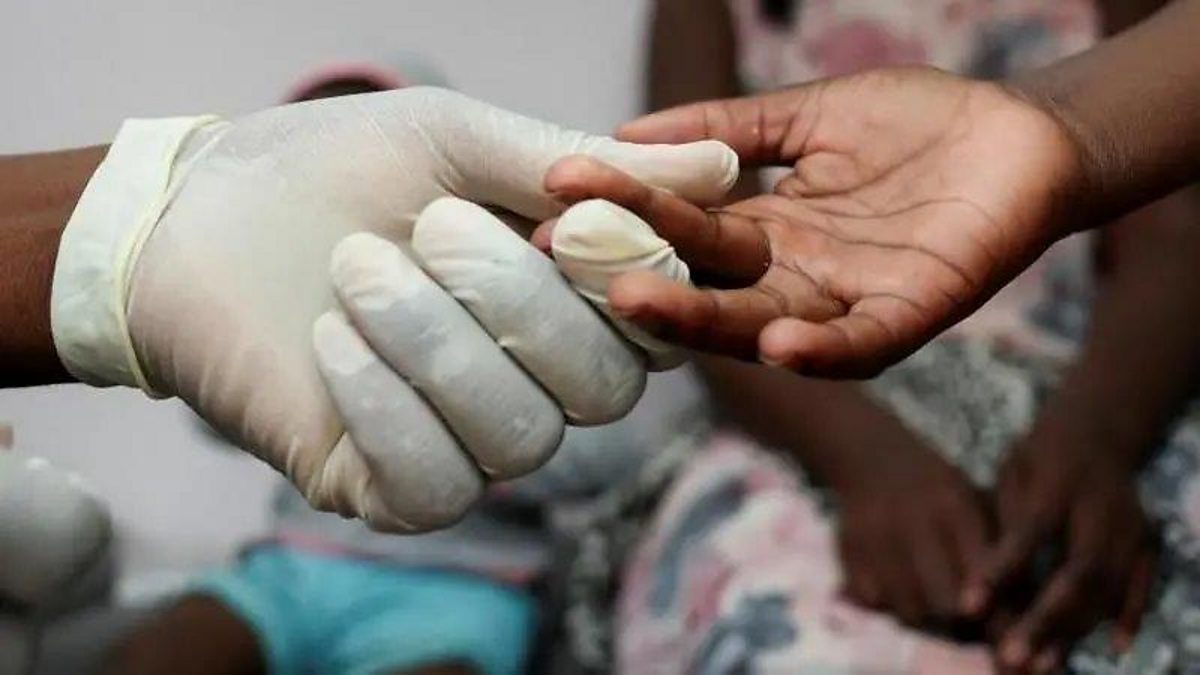
In South Africa, one of the countries most heavily affected by the global HIV epidemic, a wave of concern is sweeping through communities, health organizations, and advocacy groups. This anxiety stems from recent cuts in United States government funding that has, for years, played a critical role in the country’s fight against HIV and AIDS. With financial support shrinking, many fear that the progress made over decades in reducing HIV infections could be at risk, potentially leading to a resurgence of new cases and a weakening of prevention and treatment efforts.
For more than twenty years, South Africa has led the international fight against HIV. With approximately 7.8 million individuals living with the virus—the highest figure worldwide—the struggle has consistently been considerable. Nevertheless, through joint initiatives involving the South African government, regional organizations, and global collaborators, notable progress has been achieved in lowering the rate of new infections, increasing access to antiretroviral treatment (ART), and advancing awareness and testing.
At the core of these successes is the support, both financial and logistical, extended by the United States via initiatives like the President’s Emergency Plan for AIDS Relief (PEPFAR). Since its launch in 2003, PEPFAR has channeled billions of dollars into critical HIV/AIDS initiatives worldwide, with South Africa being one of the primary beneficiaries of this funding. This aid has facilitated the implementation of broad treatment initiatives, preventive measures, and services that have impacted millions of people, including the most at-risk groups in the nation.
However, recent shifts in US policy priorities and foreign aid budgets have led to substantial reductions in this critical funding. The implications of these cuts are already being felt on the ground. Clinics that once offered free or subsidized HIV testing, counseling, and medication are now facing resource constraints, leading to reduced services, longer waiting times, and in some cases, complete closures. Community outreach programs, which play a pivotal role in educating populations and preventing new infections, are also being scaled back or halted entirely.
The immediate concern among healthcare providers and activists is that these funding reductions will reverse the downward trend in new HIV infections seen in recent years. With fewer resources available for prevention, especially in marginalized communities where HIV rates remain disproportionately high, the risk of transmission could increase sharply. Populations such as young women, men who have sex with men, and individuals living in poverty—groups already at higher risk—may find themselves with even less access to essential services.
Moreover, the potential rise in new infections carries profound public health consequences beyond the individuals directly affected. A resurgence in HIV cases could place an even greater strain on South Africa’s healthcare system, which already faces challenges from other pressing health issues such as tuberculosis, COVID-19, and non-communicable diseases. The cumulative burden could stretch limited healthcare resources to the breaking point, undermining the delivery of other critical health services.
The impact of reduced funding is not limited to treatment and prevention services. Research and data collection efforts, which are crucial for monitoring the epidemic and informing policy decisions, are also under threat. South Africa has long been a hub for HIV research, contributing invaluable insights into the virus’s behavior, treatment outcomes, and prevention strategies. With fewer resources, the capacity to conduct such research—and implement evidence-based interventions—could be significantly diminished.
Advocates and public health experts warn that cuts to HIV funding represent not just a local problem but a global one. The interconnected nature of public health means that setbacks in one country can have ripple effects across regions and beyond. South Africa’s battle against HIV has served as a blueprint for other countries, and its success—or failure—has the potential to influence international strategies and commitments in the fight against infectious diseases.
The reaction in South Africa has been immediate, with officials, NGOs, and the public demanding revitalized commitments locally and from global allies. Numerous voices are pressing the South African government to boost its funding for HIV initiatives to counteract the impact of diminished foreign support. Concurrently, there’s a call for enhanced innovation in service delivery, such as utilizing technology, blending HIV care with general healthcare provision, and supporting community-driven efforts.
Emerging acknowledgment is growing that the diversification of funding sources is crucial for future progress. Dependence on external assistance has rendered vital health initiatives susceptible to the changing political dynamics of donor nations. By enhancing domestic funding, promoting involvement from the private sector, and investigating innovative public-private collaborations, South Africa can develop a more robust and enduring healthcare system.
Education remains a cornerstone of HIV prevention efforts, and many health experts stress that now, more than ever, comprehensive sexual health education must be prioritized. Misinformation, stigma, and cultural taboos continue to hinder HIV prevention, especially among youth. Sustained investment in education campaigns that promote safe practices, testing, and destigmatization can help maintain progress even in the face of funding challenges.
Another key component is expanding access to pre-exposure prophylaxis (PrEP), a medication that significantly reduces the risk of contracting HIV when taken consistently. While PrEP has been a game-changer in HIV prevention globally, its availability and uptake in South Africa remain limited. Ensuring wider access to PrEP, especially for high-risk populations, could help prevent a potential increase in new infections.
The importance of community groups in this scenario is immense. These local organizations frequently act as the initial contact for those requiring HIV services and information. Their comprehensive grasp of local requirements, cultural nuances, and obstacles to healthcare renders them crucial allies in any successful HIV response. Enhancing and assisting these groups—through financial means and policy backing—can help bridge the voids created by diminished international support.
Even with the challenges looming, there are grounds for careful hopefulness. Over the last twenty years, South Africa has shown that effective strategies, partnerships, and resources can help reduce the spread of HIV and enhance the living conditions of those affected. Sustaining these achievements in light of financial difficulties will require ongoing alertness, innovation, and teamwork.
La comunidad internacional también tiene una responsabilidad en garantizar que las prioridades de salud global no sean socavadas por agendas políticas o económicas cambiantes. La lucha contra el VIH no ha terminado, y reducir el apoyo en este momento podría deshacer años de progreso y poner en peligro innumerables vidas.
As South Africa navigates this critical juncture, the hope is that a renewed commitment—both from within and from international partners—will help safeguard the hard-won advancements in HIV prevention and care. The goal remains clear: to achieve an HIV-free generation, where access to care, education, and prevention tools is not determined by geopolitical shifts but by the fundamental right to health for all.
The narrative of HIV in South Africa chiefly highlights the strength and endurance of communities, medical professionals, and people affected by the virus. With ongoing commitment, creativity, and assistance, there remains optimism that the course of this health crisis can continue on a positive path, despite significant financial obstacles.