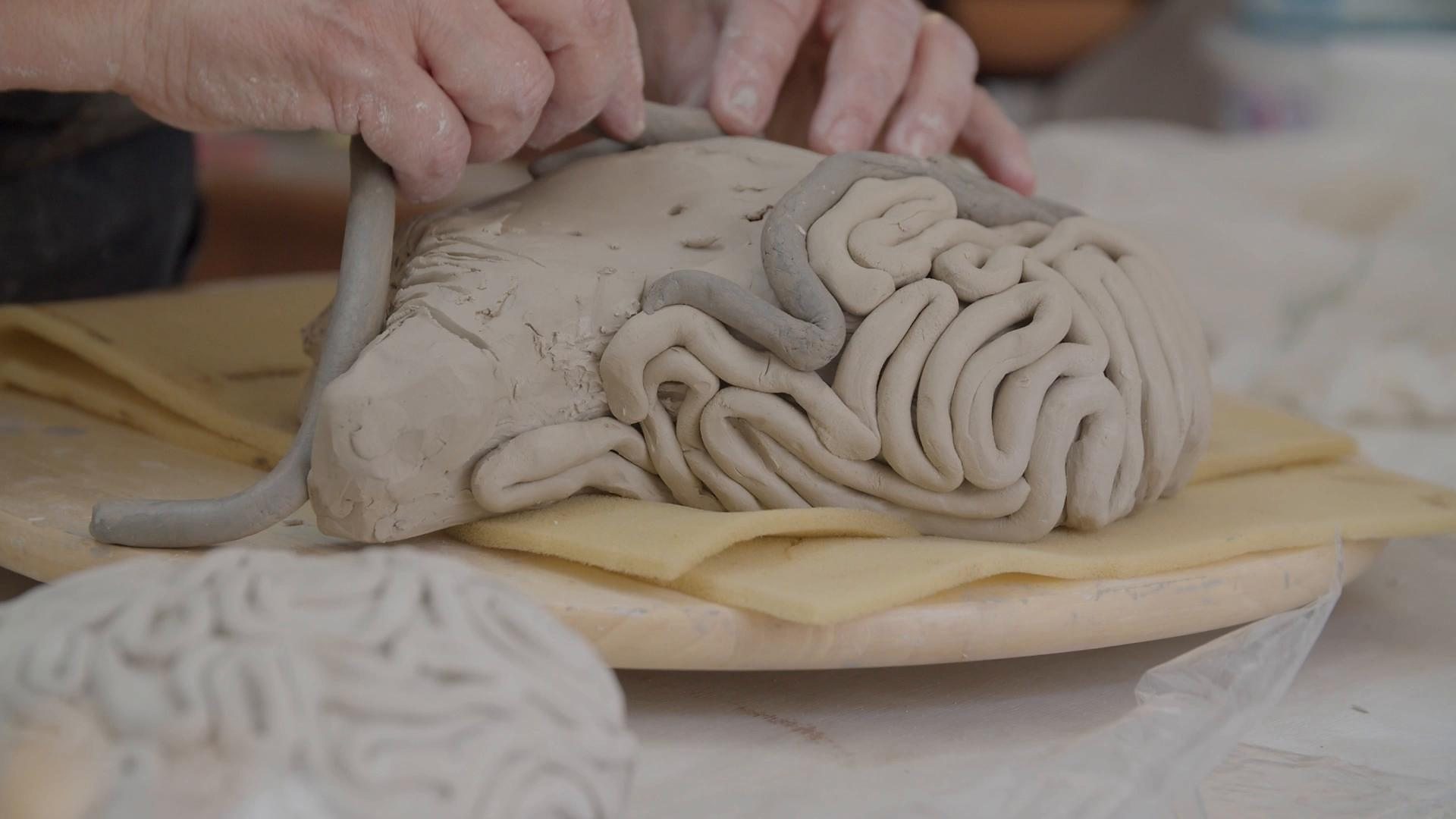
When children are around six years old, they experience significant developmental transformations impacting their physical development as well as their mental and emotional abilities. This phase, occasionally referred to as “wobbly-tooth puberty,” signifies a crucial stage in brain development, setting the groundwork for advanced thought processes, interpersonal abilities, and emotional control.
The term “wobbly-tooth puberty” playfully references the noticeable physical milestone children experience at this age—the loss of baby teeth—which coincides with significant neurological development. While losing teeth may be the most visible sign of change, beneath the surface, children’s brains are reorganizing in ways that profoundly influence their behavior, learning, and interaction with the world.
Scientists in the field of neuroscience have discovered that at approximately the age of six, children experience a period marked by swift development in numerous essential brain areas. These include regions associated with executive functions like attention regulation, short-term memory, and the ability to solve problems. This phase also involves maturation in the prefrontal cortex, which is vital for making decisions and controlling impulses.
The enhanced connectivity between different brain networks during this time allows children to process information more efficiently and flexibly. As a result, many six-year-olds begin to show increased curiosity, improved language skills, and a growing capacity to understand complex ideas. These developments support their transition from early childhood into more structured learning environments like school, where cognitive demands intensify.
Emotionally, this period can be both exciting and challenging. Children become more aware of their own feelings and those of others, but their ability to regulate emotions is still developing. This can lead to fluctuations in mood, occasional frustration, and a need for increased support from caregivers and educators. Understanding this neurological backdrop helps explain behaviors that might otherwise seem puzzling during this stage.
Socially, six-year-olds start to form deeper relationships with peers, learning cooperation, empathy, and conflict resolution. The brain changes underpinning these abilities contribute to improved social cognition, enabling children to navigate group dynamics more adeptly. They also become more sensitive to social feedback, which can affect self-esteem and confidence.
Physical coordination and motor skills often advance as well, with children gaining better control over fine and gross movements. This progress supports participation in a variety of activities—from handwriting to sports—that foster further brain development through practice and experience.
The notion of a “wobbly-tooth phase” highlights that this period is a type of neurological maturation, during which the brain goes through transformation similar to the body’s changes in adolescence. Unlike the significant hormonal alterations characteristic of teenage development, the cerebral modifications at around six years of age are more understated, yet equally essential. These changes ready children for future, more complex intellectual and social tasks.
Guardians and teachers have a crucial responsibility during this period by creating surroundings that promote cognitive and emotional development. Engaging in tasks that stimulate problem-solving, creativity, and social engagement can aid in strengthening new neural connections. It is also essential to provide unwavering emotional backing and empathy as children deal with the often daunting transitions in their internal and external environments.
Research also suggests that adequate sleep, balanced nutrition, and physical activity are essential for optimal brain development at this age. These factors contribute to the brain’s ability to adapt and form lasting connections, highlighting the importance of holistic care during early childhood.
Understanding the transformations taking place in the brains of six-year-olds can enhance strategies in education and parenting. Acknowledging that actions like heightened distractibility or emotional instability are connected to brain development, and not deliberate defiance, promotes patience and customized assistance.
In classrooms, teaching strategies that incorporate interactive learning, movement, and social collaboration align well with the neurological capabilities of children in this age group. Early identification of learning difficulties is also facilitated by understanding typical brain development patterns, allowing timely interventions that can make a significant difference.
Additionally, this phase establishes the foundation for lifelong learning patterns. As children’s minds become more skilled at handling data and emotions, they build resilience and adaptability that benefit them in educational and personal situations throughout their lives.
Scientific studies continue to explore the intricacies of brain development during early childhood, shedding light on how experiences shape neural architecture. The recognition of “wobbly-tooth puberty” as a distinct phase underscores the dynamic nature of brain growth and the importance of supportive environments in fostering healthy development.
The period around six years of age represents a profound transformation in children’s brains, marked by enhanced cognitive, emotional, and social abilities. This phase, whimsically dubbed “wobbly-tooth puberty,” reflects a critical stage in human development, where foundational skills for future success are cultivated. Understanding and responding to these changes with empathy and informed care can help children thrive during this pivotal time and beyond.