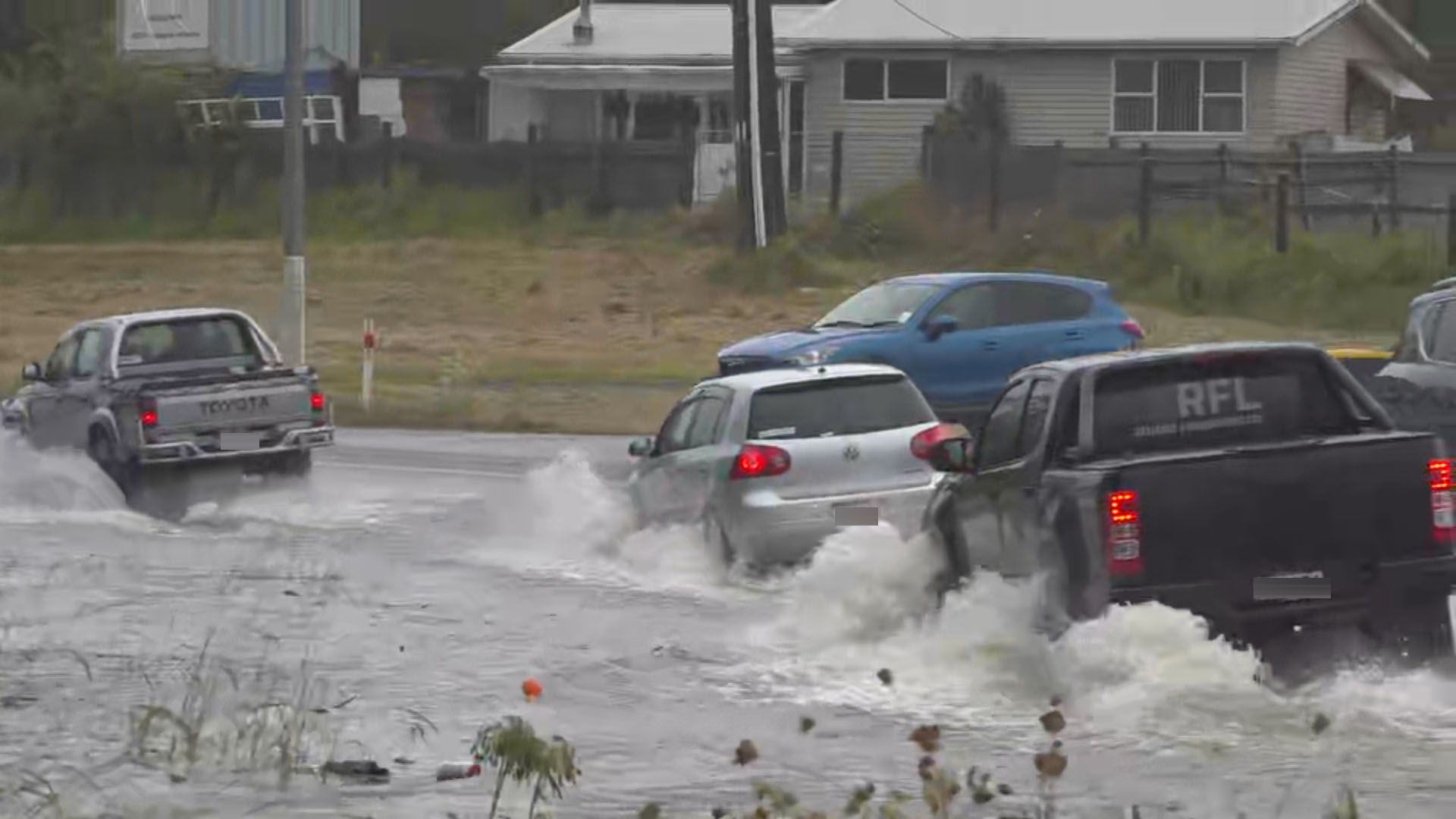
Torrential downpours swept through parts of New Jersey and New York City, triggering sudden and dangerous flash flooding that resulted in the deaths of two people and left communities grappling with the aftermath. The intense rainfall, which overwhelmed drainage systems and flooded roads, homes, and transit lines, is yet another reminder of the growing frequency and severity of extreme weather events across the northeastern United States.
Emergency services were dispatched to dozens of locations as water levels rose rapidly, inundating streets, trapping motorists in submerged vehicles, and forcing some residents to evacuate their homes. The storm moved in quickly, catching many off guard, despite weather alerts issued earlier in the day. By nightfall, authorities had confirmed two fatalities—one in New Jersey and one in New York City—both related to flooding incidents.
In New Jersey, authorities stated that an individual drowned after being trapped by increasing water levels close to a housing neighborhood. Rescuers tried to conduct a rescue operation but couldn’t get to the person promptly because of the power and swiftness of the current. In New York City, emergency teams discovered the remains of another person in a submerged basement flat in Queens—a district frequently severely impacted by storms because of its low-lying landscape and outdated infrastructure.
Both deaths highlight how quickly conditions can deteriorate during flash floods and how even urban environments are not immune to nature’s force when overwhelmed by water. The volume of rainfall recorded during the storm was unprecedented for a single afternoon, according to meteorologists monitoring the weather system. Some neighborhoods saw more than three inches of rain fall in just one hour, a rate well beyond the capacity of most stormwater systems to manage efficiently.
The subway service in New York City encountered significant delays and temporary stoppages, especially on routes that navigate through low-lying tunnels and stations vulnerable to water seepage. Travelers encountered severe disruptions during the late afternoon peak period, and a number of stations had to be fully shut down as teams labored to remove water and evaluate the damage. In New Jersey, multiple roads, including key highways and bridges, became non-navigable as floodwaters rose above sidewalks and submerged car tops.
City and state authorities conducted press conferences advising locals to remain inside, refrain from driving except when essential, and pay attention to evacuation recommendations as they are given. Mayor Eric Adams of New York and Governor Phil Murphy of New Jersey both stressed the significance of readiness and offered sympathies to the families impacted by the disaster. They also promised to assess infrastructure weaknesses and speed up initiatives to enhance flood resistance throughout the area.
Climate experts point to changing weather patterns as a key factor in the increasing frequency of such extreme events. Warmer atmospheric conditions due to climate change allow air to hold more moisture, resulting in heavier downpours when storms occur. Urban areas with large expanses of concrete and limited green space often suffer the worst consequences, as water runoff has nowhere to go, leading to rapid accumulation and dangerous flash floods.
Communities in both states are already familiar with the risks posed by climate-related disasters. Events like Hurricane Ida, Superstorm Sandy, and more recent summer storms have exposed the weaknesses in stormwater systems, building codes, and emergency response frameworks. While improvements have been made over the past decade, many experts argue that far more investment and proactive planning are needed to ensure safety in the face of future climate threats.
Residents who experienced flooding during this storm described terrifying scenes of water gushing through basement windows, manhole covers erupting under pressure, and vehicles being swept away. Some recounted being forced to wade through waist-deep water to reach higher ground, while others were rescued by emergency crews using inflatable rafts and high-water vehicles.
Local shelters were opened to accommodate those displaced by the flooding. Dozens of families sought temporary housing as clean-up operations began, and utility crews worked to restore power to areas that experienced outages during the storm. Public health officials issued warnings about potential contamination in floodwaters and urged people to avoid contact whenever possible, citing concerns about bacteria, sewage, and debris.
The economic toll of the storm is still being calculated, but preliminary estimates suggest significant damage to public infrastructure, private property, and commercial facilities. Small business owners in affected neighborhoods are now facing clean-up costs, inventory loss, and interruptions to service, all of which add to the financial strain caused by recent inflation and supply chain challenges.
Insurance companies are getting ready for an increase in claims concerning flood damage. Nevertheless, numerous property owners in areas susceptible to flooding might discover they are insufficiently protected, as typical policies frequently omit incidents related to water unless separate flood insurance is acquired. This shortfall in protection has been a source of debate for quite some time, particularly in communities where flooding occurs more frequently, even though they are not labeled as high-risk on obsolete federal maps.
Looking ahead, the storm has reignited debate over how cities and states can adapt more effectively to an evolving climate landscape. Experts recommend a multi-pronged approach that includes upgrading drainage systems, installing more permeable surfaces to absorb rainwater, enhancing emergency communication protocols, and investing in early warning technologies that offer more localized alerts.
In New York and New Jersey, the recollection of previous catastrophes remains vivid, and the recent storm will probably lead to increased demands for changes in policies and updates to infrastructure. With the ongoing effects of climate change on the surroundings, cities must adapt in order to safeguard lives, jobs, and community resources.
The unfortunate loss of lives in the most recent incident acts as a grim reminder of the significant risks involved. As the area heals, authorities, planners, and locals are being called upon to collaborate in constructing resilience, not only for the upcoming storm but also for a future where these storms are no longer uncommon.