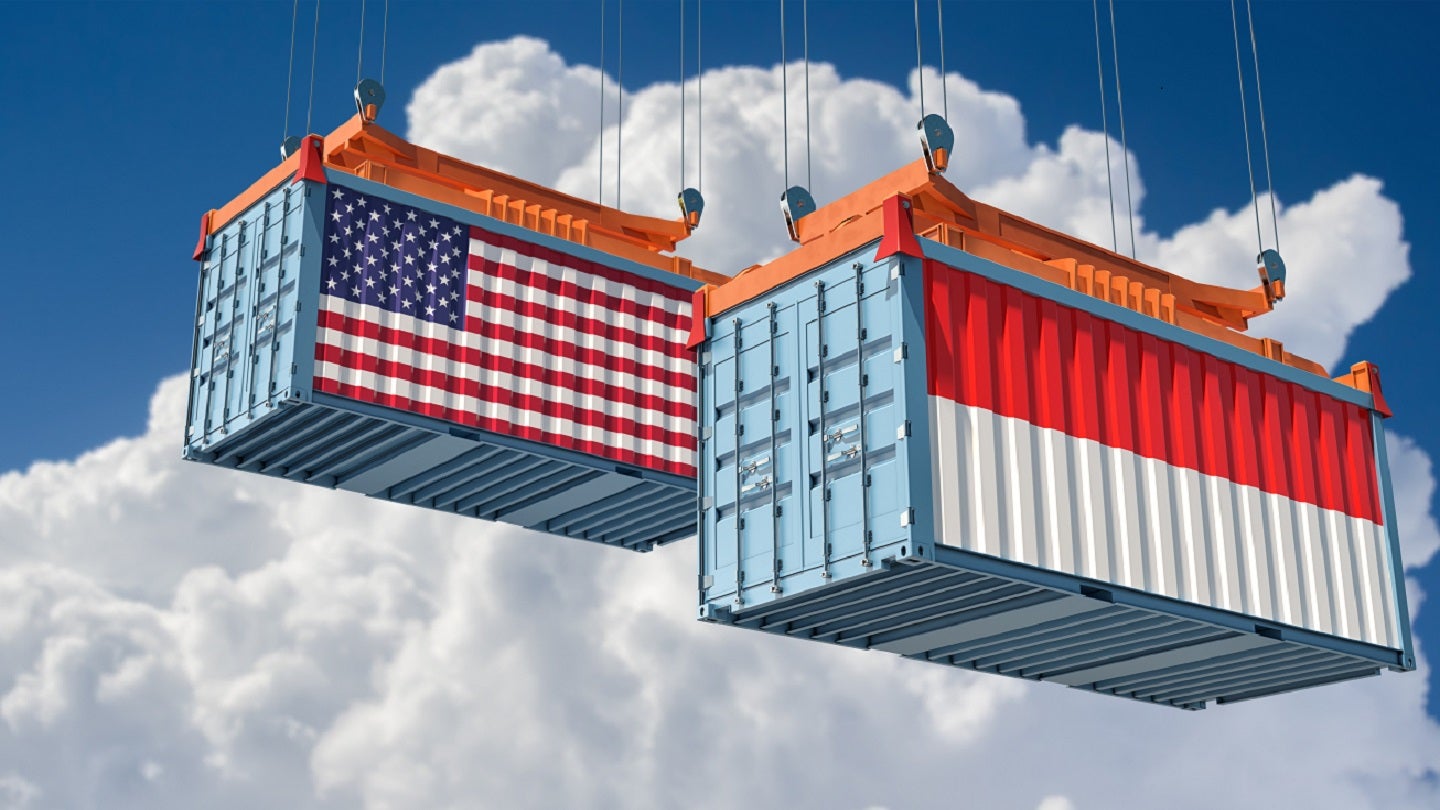
The United States and Indonesia have concluded a significant trade agreement that addresses longstanding concerns over tariffs, signaling a new chapter in their bilateral economic relationship. This deal, reached after months of negotiations, is seen as a strategic move to reinforce trade cooperation while resolving specific frictions that had affected the flow of goods between the two countries.
At the heart of the agreement is a shared comprehension to remove or decrease specific tariffs that had turned into contentious issues in the past few years. For the United States, the issue focused on limited market access and high import taxes that constrained the competitiveness of American products in the Indonesian marketplace. For Indonesia, countermeasures and trade stresses led to worries about possible economic unrest and decreased availability of vital products.
By resolving these issues through a negotiated settlement, both governments have demonstrated their commitment to fair trade principles and mutual benefit. The new framework aims to create a more balanced trade environment, facilitating smoother exchange of goods and services, while also promoting transparency in tariff-related policies.
Officials from both countries described the agreement as a “constructive breakthrough” that builds on their longstanding economic ties. Although specific tariff categories affected by the deal were not fully disclosed in the initial public announcements, trade analysts expect the agreement to cover a range of sectors, including agricultural products, manufactured goods, and raw materials. These areas had previously experienced tariff hikes or non-tariff barriers, limiting growth potential for businesses on both sides.
The agreement arises amid a period when the international trade landscape is encountering unpredictability because of evolving partnerships, regional economic strategies, and interruptions in supply chains. In this context, the joint effort of the United States and Indonesia to find common ground highlights the critical role of conversation and diplomatic efforts in sustaining trade equilibrium.
Indonesia, the biggest economy in Southeast Asia, continues to establish itself as a crucial ally in international commerce. With its rich natural resources, expanding middle class, and strategic geographical position, it serves as a key center for trade and investment. For the United States, fostering robust trade ties with Indonesia aligns with wider goals in the Indo-Pacific area, such as reinforcing economic stability and diversification.
The conclusion of this tariff agreement is expected to boost investor confidence, especially among companies looking to expand operations in Southeast Asia. Reduced trade barriers typically lead to lower costs, greater efficiency, and increased competitiveness for exporters. In this case, American companies operating in sectors like agriculture, technology, and energy may see tangible benefits from improved access to the Indonesian market.
From an Indonesian viewpoint, the agreement offers enhanced economic adaptability. Reducing friction with a major global economy such as the United States may facilitate the attraction of international investments and bolster local sectors dependent on imported machinery, components, or raw resources. The administration has presented the deal as progress towards economic advancement and alignment with international trade norms.
Beyond the financial effects, the deal also holds political importance. Commercial interactions frequently mirror wider diplomatic connections, and resolving contentious matters successfully can lay the groundwork for enhanced collaboration in sectors such as infrastructure growth, environmental strategies, and local safety. Within this framework, this agreement has the potential to facilitate increased bilateral activities beyond commerce.
Observers have also noted that this deal could serve as a model for resolving similar disputes elsewhere. With protectionist sentiment still present in some parts of the world, successful bilateral resolutions like this demonstrate the potential of diplomacy over confrontation. By addressing issues proactively, both countries avoided escalation and preserved a working relationship that supports long-term economic collaboration.
The reaction from the private industry has been cautiously hopeful. Trade groups in the two nations have expressed approval of the announcement, urging quick execution and detail clarification regarding the accord. They also highlighted the importance of continued discussions to maintain commerce that is just, clear, and beneficial for both sides. Numerous firms are currently assessing the effect of the new tariff arrangements on their supply chains, pricing plans, and export potential.
Although the deal is mostly seen as mutually beneficial, specialists emphasize that its effectiveness will rely on execution and oversight. It will be vital to ensure that the agreed modifications are applied consistently to uphold confidence between the trading entities. Both administrations are anticipated to set up systems for monitoring adherence and swiftly addressing any future disagreements.
The timing of the deal may also have broader implications for each country’s domestic economic agenda. In the United States, trade remains a focal point in debates over job creation, manufacturing revitalization, and international competitiveness. Demonstrating progress in resolving trade tensions supports narratives around economic stability and global leadership. In Indonesia, the deal aligns with the government’s goals to boost exports, attract foreign capital, and strengthen its presence in global supply chains.
In the context of international markets, such agreements provide confidence that it’s still possible to achieve economic collaboration despite a more divided global environment. Although discussions on multilateral trade frequently encounter political and logistical challenges, negotiations between two countries can lead to prompt, focused solutions for particular problems. The achievement of the tariff agreement between the United States and Indonesia could motivate other nations to explore comparable routes for trade standardization.
The latest tariff agreement involving the United States and Indonesia demonstrates a practical method for addressing economic issues. This agreement signifies a crucial advance in strengthening trade relations between the two nations, fostering commercial benefits, and ensuring stability in the region. As the countries put the deal into effect, it serves as a reminder that diplomacy and mutual regard are vital instruments for achieving enduring international trade.

.jpg "How to Set Up an Offshore Company in Panama")
.jpg "Panama Pensionado Visa Requirements 2026")