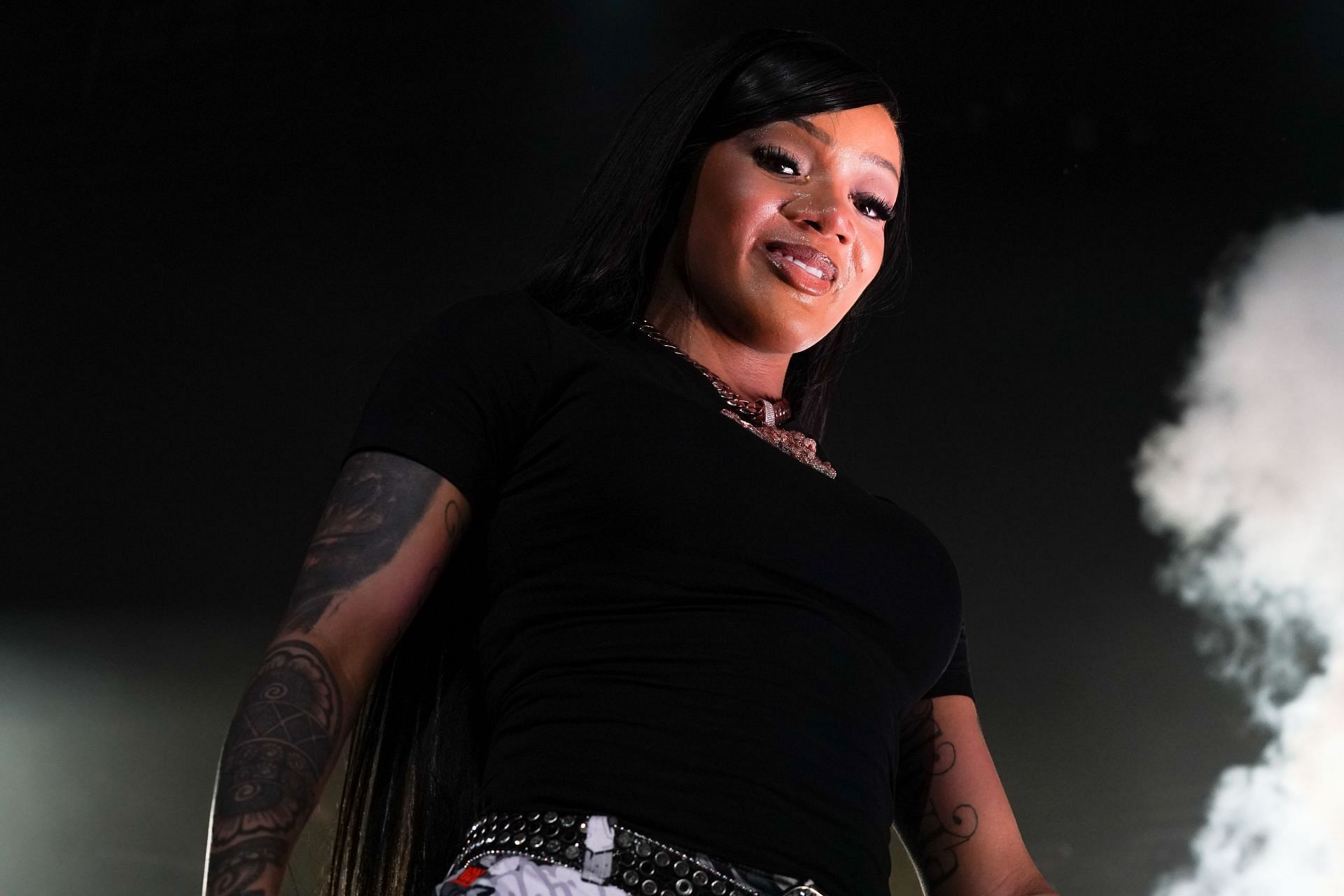
Rising hip-hop artist GloRilla has sparked discussion after publicly criticizing law enforcement over how her recent arrest was handled. The incident, which reportedly involved drug-related charges, has drawn attention not only because of the legal implications but also due to GloRilla’s vocal response regarding her treatment during the arrest process.
The rapper, whose meteoric rise in the music industry has positioned her as one of the most watched talents in recent years, took to social media and other platforms to express frustration with what she described as a misuse of police authority. While she did not deny that an arrest took place, she questioned the necessity and fairness of the actions taken by officers at the scene, suggesting that the encounter was influenced more by her public profile than by objective procedures.
GloRilla’s reaction highlights a recurring theme in the broader dialogue between public figures and law enforcement. In recent years, various artists and celebrities have spoken out about experiences they believe reflect systemic issues within the criminal justice system, particularly when it comes to policing practices, racial profiling, and the use of force during routine investigations or arrests.
Her critique focuses not just on the event itself, but also on its perception and media coverage. In comments following her detention, GloRilla contends that she faced unjust treatment and suggests that her celebrity status could have escalated a minor incident into a widely publicized arrest. Through this, she highlights how fame can act as both a protective barrier and a magnifying glass—sometimes safeguarding public personalities while at other times increasing their visibility.
Fans and supporters have rallied to her defense, with many expressing concern that she may have been subjected to harsher treatment because of her status or background. Social media platforms have played a key role in shaping public perception of the incident, as clips, tweets, and reactions circulated widely in the days following the arrest. For GloRilla, this virtual wave of support serves as both validation and motivation to speak more openly about her experience and challenge the narrative that followed her detainment.
This is not the initial occasion where a musician encounters issues with police authorities, and it is also not the inaugural incident of a famous person utilizing their platform to express worries about the criminal justice system. Nevertheless, what sets GloRilla’s reaction apart is how swiftly and clearly she managed the situation. Instead of letting the legal proceedings play out privately, she opted to communicate openly, using her platform to challenge wider trends of power and enforcement.
By doing so, GloRilla becomes part of an expanding group of performers leveraging their influence to promote awareness in addition to entertaining. Her comments, which center on her own experiences, have ignited wider discussions about how creators—especially those from underrepresented backgrounds—handle their encounters with law enforcement. These discussions are particularly pertinent today, as video recordings, public declarations, and media narratives can influence how these interactions are viewed by society.
From a judicial standpoint, specifics concerning the allegations and conditions surrounding the detention are sparse. The officials have verified the apprehension and recognized the connection to controlled substances; however, only limited official comments have been issued regarding the matter. As the situation unfolds, additional details may surface that could either corroborate or dispute GloRilla’s account of the events.
What is clear, however, is that her experience has become part of a larger narrative about accountability, justice, and public perception. Whether or not the charges are pursued, her decision to speak out has already had an impact—reigniting conversations about fairness in the criminal justice system and the specific challenges faced by Black artists in high-visibility positions.
Critics of her response argue that celebrities sometimes use their platforms to deflect from legitimate legal consequences. They caution against dismissing law enforcement entirely based on individual incidents. Still, GloRilla’s supporters counter that her willingness to challenge the system reflects a broader sense of social responsibility and an awareness of her influence beyond music.
In the music industry, which has been deeply connected with themes of defiance, empowerment, and social critique for a long time, GloRilla’s position seems aligned with a heritage of artists who express themselves not only through songs but also through their deeds. Her messages hold significant weight considering her audience demographics—young fans who frequently seek artists for more than just entertainment; they look to them for insight and direction on contemporary matters.
As the judicial proceedings advance, the spotlight will probably stay on both the details of the situation and the wider effects of her disapproval. Irrespective of whether her detention results in formal accusations, GloRilla’s public response has already highlighted her role as beyond just an artist—she also comments on the environment around her.
In the coming weeks, her case may become clearer, but what will remain is the impression she’s left by refusing to remain silent. In using her platform to confront what she perceives as unfair treatment, GloRilla adds her voice to an ongoing conversation about justice, identity, and the intersection of celebrity and accountability in modern America.