

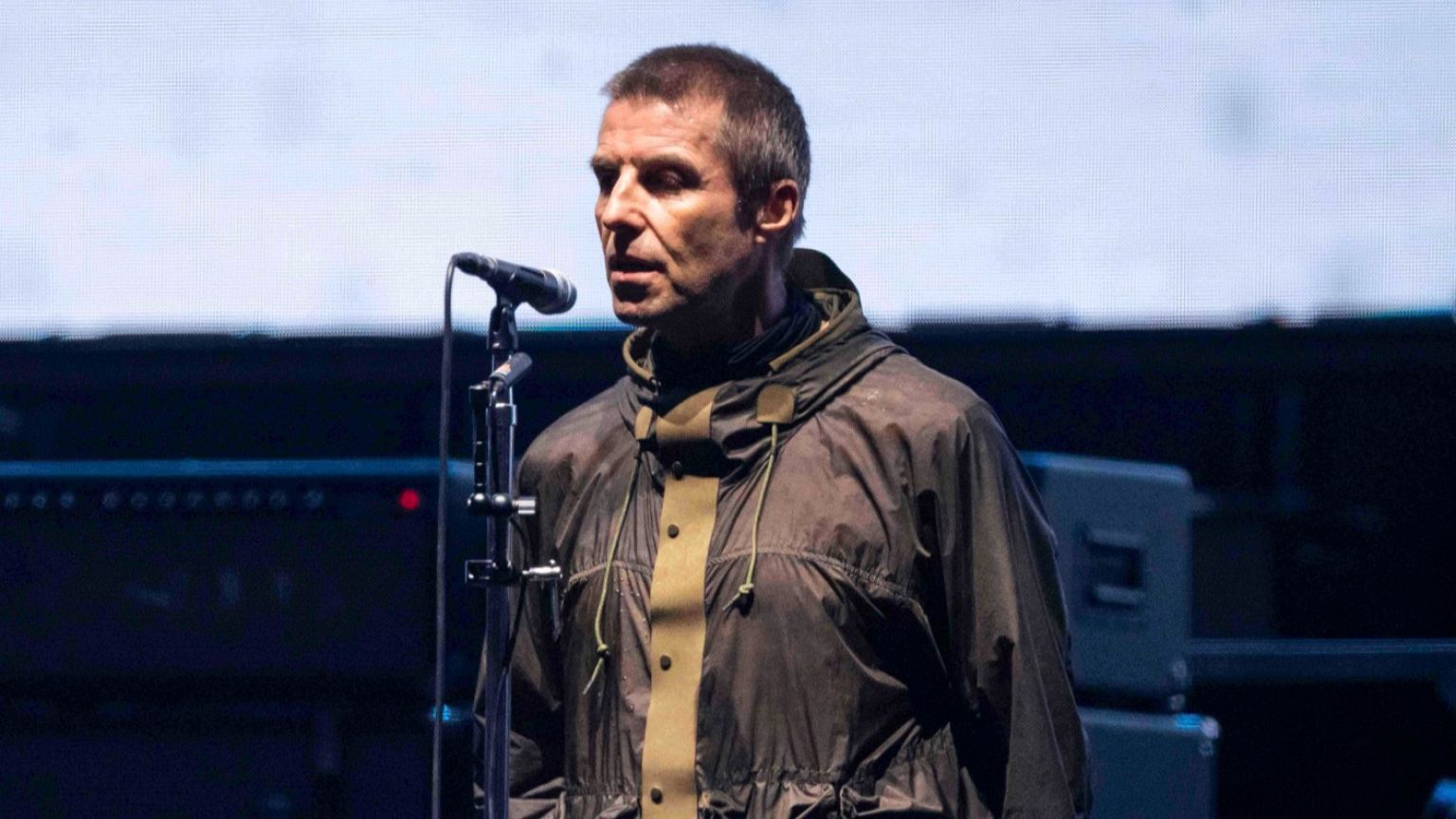
A man has died after falling at a concert by the renowned British band Oasis at Wembley Stadium. The unfortunate event took place during a much-anticipated performance that attracted thousands of fans nationwide, transforming an evening of music and enjoyment into one overshadowed by tragedy.
Emergency services arrived at the location soon after the incident was reported. Although the person received prompt medical assistance, he did not survive his injuries on site or shortly after. The identity of the man has not been disclosed by authorities, as they are notifying his relatives first.
The circumstances surrounding the fall are still under investigation. While no official cause has been confirmed, initial reports suggest the man may have fallen from a significant height within the stadium. Whether the incident was accidental or involved other contributing factors remains unclear, and law enforcement is working closely with venue officials to determine the sequence of events.
Wembley Stadium, famous for organizing significant sporting and music events, has an extensive safety plan that includes crowd management strategies and monitoring systems. During the investigation, security video and witness testimonies are being examined to determine if any security measures were breached or overlooked.
Attendees at the event recounted a period of uncertainty and worry as emergency teams reacted to the incident. Numerous people present did not realize the seriousness of the situation until the event was over, at which point information began spreading via the internet and local news sources.
Este desafortunado incidente ha generado debates sobre la seguridad de las multitudes y la responsabilidad de los lugares en eventos de gran escala. Aunque los sucesos trágicos de este tipo son poco comunes, resaltan la importancia de mantener altos estándares de seguridad y la necesidad de realizar evaluaciones continuas de riesgos en entornos donde se congrega una gran cantidad de personas.
Oasis, one of the most influential British rock bands of the 1990s and early 2000s, had reunited for this special performance, drawing a massive crowd of long-time fans. The group has not made a public statement regarding the incident at the time of this writing, but those close to the band expressed their condolences and concern for the victim and his loved ones.
Wembley officials issued a brief statement acknowledging the incident and confirmed that they are cooperating fully with the authorities. They also reassured the public that safety is a top priority at all events hosted at the venue and that a thorough internal review is underway.
For individuals who observed the incident or felt the impact of the news, mental health assistance services are now accessible. Groups that focus on trauma support have advised people to seek help if they encounter any discomfort due to the event.
In the past, public places have consistently updated their safety measures following crowd-related events. Over the last twenty years, developments in crowd science, building design, and employee education have greatly enhanced the security of mass gatherings. Nevertheless, events like this one are serious reminders that despite these enhancements, dangers persist and require ongoing attention.
As the investigation progresses, further details will likely shed more light on what led to the fatal fall. Until then, the focus remains on honoring the individual who lost his life and ensuring that steps are taken to prevent similar tragedies in the future.
The music community, enthusiasts, and event planners are all grieving the loss together. Homages have started to emerge on social media channels, with numerous participants sharing concert memories and conveying their sorrow over the tragic conclusion.
Although live music events usually stand out as some of the most delightful and unifying occasions for attendees, ensuring safety should continually be a core element of their organization and execution. It is anticipated that any insights gained from this occurrence will help strengthen current safeguards and enhance the general safety and enjoyment of future concert attendees.
In the days ahead, it is expected that more information will become available as both public authorities and private stakeholders share their findings. Until then, this moment serves as a call for collective responsibility—among venues, organizers, and audiences alike—to ensure that events remain not only memorable but safe for all who attend.


