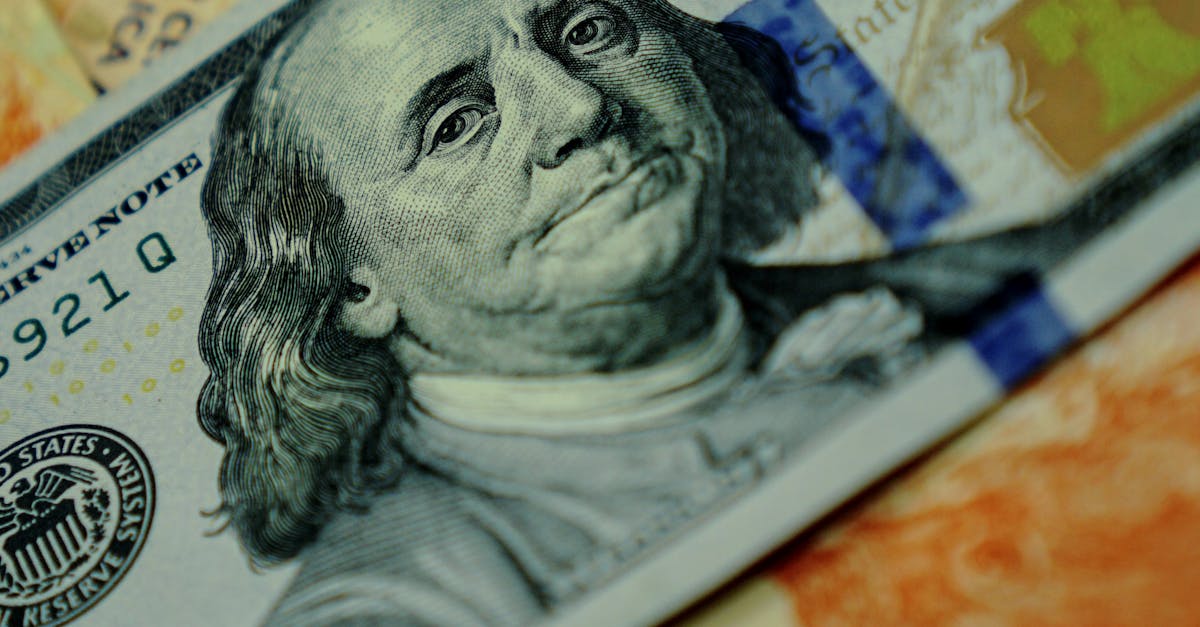
South Korea’s internationally acclaimed K-beauty sector is encountering heightened challenges due to tariffs implemented under the trade policies from the tenure of previous U.S. President Donald Trump. Originally applauded for its swift global expansion and impact on beauty trends worldwide, this industry is currently struggling with rising expenses, supply chain disruptions, and ambiguity regarding future market opportunities—especially in the United States, a major destination for its exports.
The tariffs, initially introduced to combat what the Trump administration referred to as unfair trade practices by China and other nations, have had far-reaching effects, influencing industries and countries that were not the main focus. South Korea’s cosmetics industry, which depends significantly on selling skincare and makeup products to customers in the United States, has been an unexpected victim of this strategy.
While K-beauty continues to enjoy strong brand recognition and consumer demand abroad, companies now face higher costs when exporting to the U.S. These additional expenses—largely stemming from increased duties on ingredients, packaging materials, and certain finished goods—are forcing many businesses to reevaluate their pricing strategies and distribution models.
For small and medium-sized businesses, especially, the effect has been substantial. In contrast to large global companies that have the capability to manage or mitigate these expenses, smaller Korean companies usually work with narrower profit margins and do not have the means to adjust rapidly. Numerous firms have been forced to postpone growth plans, cut down on marketing expenditures, or explore new markets in Southeast Asia and Europe.
El mercado estadounidense sigue siendo fundamental para el K-beauty debido a su tamaño, poder adquisitivo e influencia en tendencias. Los productos coreanos ganaron rápidamente popularidad en Estados Unidos en la última década, gracias en parte a las redes sociales, influencers de belleza y el creciente atractivo de la cultura pop coreana. Desde las cremas BB y las mascarillas de hoja hasta innovadoras rutinas de cuidado de la piel, las marcas de belleza coreanas han transformado las expectativas de los consumidores globales y los estándares de la industria.
However, with the added burden of tariffs, competitiveness is at risk. Korean companies now face stronger price competition from domestic U.S. brands and other international players not subject to the same trade restrictions. This has led to concerns that the growth momentum of K-beauty in the American market may be slowing, particularly for newer entrants trying to establish brand presence.
In an effort to lessen the effects, several companies have delved into local production or alliances with U.S. manufacturers. Although this strategy might minimize tariff risks, it also introduces issues concerning quality assurance, brand reputation, and operational intricacies. Some have also considered establishing distribution centers in the U.S. to optimize shipping and handle expenses more efficiently, but these strategies demand substantial investment and strategic planning.
The authorities in South Korea have been paying close attention to the developments. Officials in charge of trade have expressed their worries through diplomatic avenues and trade gatherings, pushing for a more tailored approach to tariffs that takes into account the distinct aspects of the trade relations between Korea and the United States. Seoul has also put forward specific support initiatives for impacted exporters, which include financial help and advisory services meant to assist companies in expanding their market reach or adjusting their supply networks.
From a wider viewpoint, the current trade tensions highlight how susceptible extensively globalized sectors are to changing political environments. The swift ascent of K-beauty was facilitated by accessible markets, streamlined logistics, and eager international consumer interest. At present, the same framework that propelled its expansion is being challenged by geopolitical instability and trade protectionism.
Some analysts in the industry remain hopeful, observing that K-beauty has shown resilience in the past—especially during previous disruptions like the COVID-19 pandemic, when online shopping and digital interaction supported demand. Ongoing innovation, robust branding, and a dedicated customer base might enable top Korean beauty firms to endure this recent challenge and adjust to shifting trade conditions.
In the meantime, brands are becoming more strategic in how they approach the U.S. market. Many are placing greater emphasis on digital channels, direct-to-consumer platforms, and influencer marketing to maintain consumer loyalty without overly relying on traditional retail partnerships. This shift not only helps reduce operational overhead but also provides valuable data on customer preferences and buying behaviors.
Additionally, product innovation remains a key differentiator. K-beauty companies continue to invest in research and development, focusing on clean ingredients, sustainable packaging, and science-backed formulas. These trends align well with evolving consumer demands in the U.S., where awareness around health, sustainability, and ethical sourcing is growing rapidly.
Although there are present obstacles, top figures in the industry assert that the core allure of K-beauty has not diminished. This sector continues to be recognized globally for its excellence, inventiveness, and cost-effectiveness, maintaining its appeal among consumers worldwide, suggesting that demand will not completely disappear. Nonetheless, in an increasingly protectionist and cost-aware trading atmosphere, companies must find a way to harmonize innovation with durability, while managing short-term modifications alongside their long-term strategic goals.
As trade negotiations between the U.S. and its partners continue to evolve under the current administration, there may yet be opportunities to revisit or revise tariff structures that affect South Korean exporters. Until then, the K-beauty industry will need to remain agile, resourceful, and forward-thinking to sustain its international success.
The story of K-beauty’s response to Trump-era tariffs offers a compelling case study in the complexities of global trade, the interconnectedness of policy and business, and the adaptability required of companies navigating an unpredictable economic landscape. While the future remains uncertain, one thing is clear: the global beauty industry—and K-beauty within it—is being reshaped not only by consumer trends but also by the politics of international commerce.