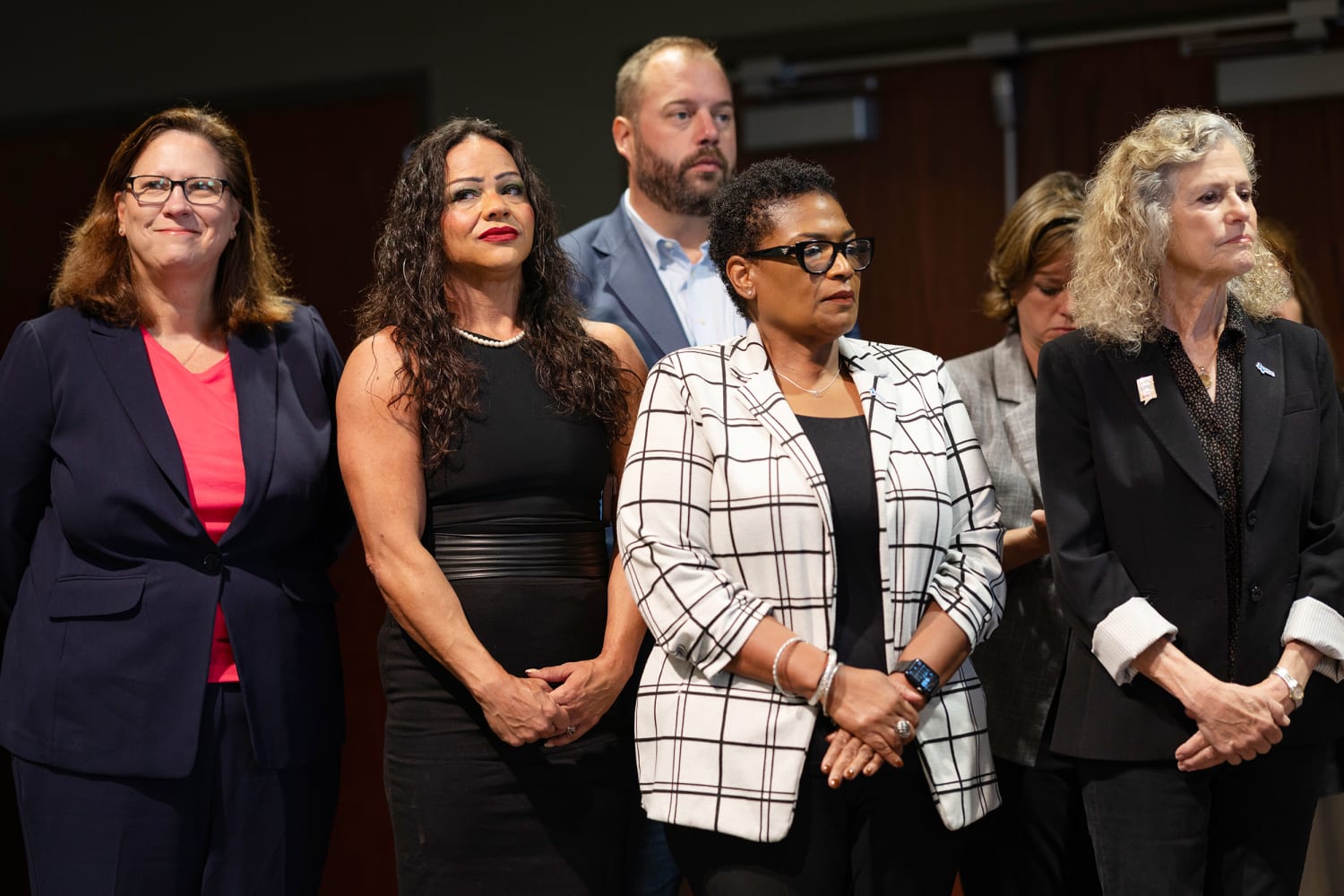
The tactic used by Democratic legislators to leave Texas in order to obstruct contentious voting laws has led to considerable and lasting monetary repercussions for the minority party. What started as a bold protest maneuver has developed into a continuous financial strain, challenging the resources of both lawmakers and their backers as expenses keep rising months following the notable confrontation.
During the summer legislative session, more than 50 Democratic representatives and senators made national headlines by departing the state to deny Republicans the quorum needed to conduct business. While the move successfully delayed the voting bill’s passage, it required substantial logistical expenditures that many participants hadn’t fully anticipated. The out-of-state stay in Washington D.C. involved unexpected costs including extended hotel accommodations, security details, legal fees, and lost wages for staffers unable to work during the prolonged absence.
Los informes de financiamiento de campañas muestran que el impacto financiero va más allá de los gastos inmediatos. Muchos legisladores agotaron sus fondos de campaña para cubrir los costos relacionados con la ruptura del quórum, dejando menos recursos disponibles para futuras elecciones. Algunos legisladores han documentado gastos individuales que superan los $25,000 de sus fondos políticos, y varios han recurrido a sus ahorros personales para cubrir el déficit. El Partido Demócrata de Texas ha tratado de ayudar a través de esfuerzos de recaudación de fondos, pero las autoridades del partido admiten que no han podido compensar completamente a todos los participantes.
The fiscal pressure emerges during an especially inconvenient period, as the 2022 election cycle is already in motion. Republican adversaries have capitalized on the scenario, depicting Democrats as careless with resources in their campaign literature. At the same time, Democratic incumbents are forced to begin fundraising sooner and with more urgency than expected, shifting their focus from policy debates to financial recuperation.
Legal costs are becoming an increasing issue. Some legislators are at risk of penalties and sanctions from the Republican-controlled legislature, while others have faced expenses related to defending against procedural objections and possible arrest orders issued during the confrontation. These unexpected legal expenses continue to accumulate, even though the voting bill they opposed has now been enacted.
The situation has sparked internal discussions about protest tactics and resource allocation within the Texas Democratic caucus. Some members question whether the financial sacrifices will translate to political gains, while others maintain the moral and symbolic importance justified the costs. These debates occur against the backdrop of Texas’ increasingly competitive political landscape, where Democrats see opportunities but remain outspent by Republican counterparts.
The difficulties in raising funds have intensified due to donors feeling overwhelmed after the 2020 election period and the simultaneous demands from broader Democratic agendas nationwide. A significant number of regular donors have redirected their focus towards more prominent contests in different states, resulting in Texas Democrats depending increasingly on grassroots donations, which require more effort to obtain in smaller quantities.
The financial consequences extend to both elected representatives and activist groups, as well as political operators who backed the quorum break. Numerous progressive organizations reallocated funds toward this effort, resulting in limited resources for voter registration campaigns and other continuous projects. Certain political personnel indicate having worked without compensation during essential times, causing individual financial difficulties.
As Democrats work to rebuild their financial footing, Republicans have capitalized on the situation by portraying their opponents as unserious about governing. GOP fundraising appeals frequently reference the quorum break, using it as evidence of Democratic obstructionism. This narrative has proven effective in rallying Republican donors, further widening the financial gap between the parties in Texas.
The situation has led a number of Democratic legislators to propose the creation of a reserve fund for upcoming protest activities, although some contend that the conditions were exceptional and unlikely to happen again. What is evident is that the strategic choice to disrupt the quorum, though it met immediate goals, has resulted in ongoing financial difficulties that are expected to affect Texas politics far into the future beyond the current legislative meeting.
Political specialists indicate that the financial consequences might influence efforts by Democrats to attract candidates for forthcoming elections, as individuals consider the future personal costs of such actions. The scenario additionally emphasizes the differences in resources between the minority and majority parties in the state, illustrating how procedural conflicts can result in enduring financial impacts in contemporary politics.
As Texas Democrats work to stabilize their financial situation, the episode serves as a case study in the often-overlooked economics of political protest. The costs of principle, while difficult to quantify, have become an undeniable factor in the party’s strategic calculations moving forward. How they recover financially may determine their ability to compete effectively in one of the nation’s most important political battlegrounds.