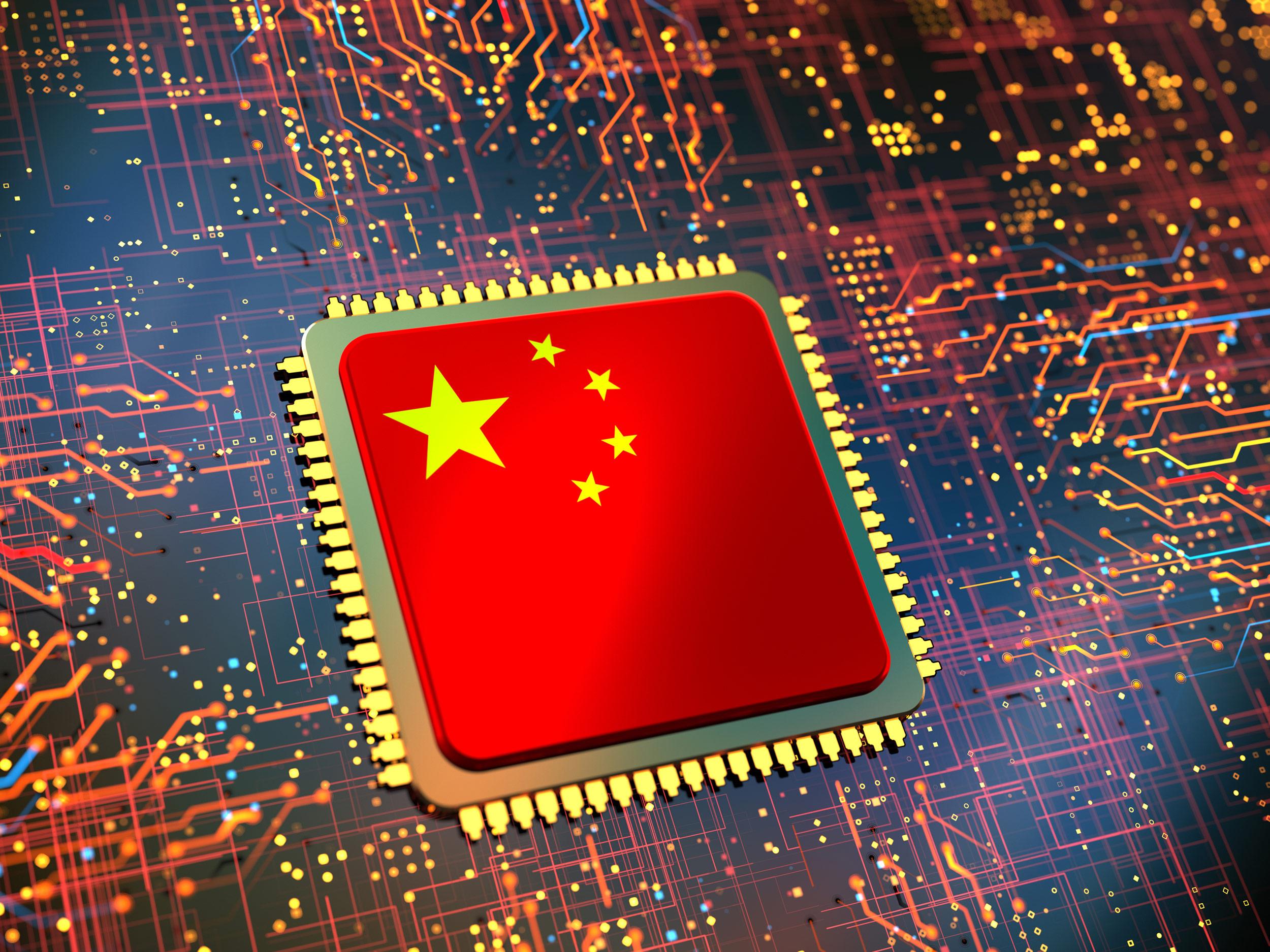
The United States has implemented a recent policy that essentially appropriates a fraction of the profits derived from selling semiconductor chips to China. This move indicates a change in trade interactions between two leading global economies, bringing substantial ramifications for the worldwide tech sector, diplomatic ties, and the semiconductor sector itself. To comprehend the full extent and possible repercussions of this action, it is necessary to explore its context, reasons, and anticipated outcomes in depth.
Semiconductor chips, which are frequently referred to as the core of contemporary electronics, are essential to devices ranging from mobile phones and PCs to cars and military hardware. The escalating US-China tensions have put this critical industry in the spotlight due to its strategic significance and its pivotal role in shaping technological and economic supremacy. The latest move by the US to apply a financial restriction or tax on chip transactions with China highlights these larger issues and goals.
This levy can be seen as part of a broader effort by the US government to curb China’s rapid technological advancement, particularly in areas considered sensitive for national security and global competitiveness. By extracting a share from chip sales destined for China, the US aims to control the flow of critical technology and maintain leverage in trade negotiations and strategic positioning.
From an economic perspective, this measure introduces a new layer of complexity for companies involved in the semiconductor supply chain. US-based manufacturers and exporters now face additional costs or reduced profits when selling chips to Chinese buyers. This may encourage firms to reevaluate their market strategies, pricing models, and partnerships. Some companies might seek alternative markets or adjust their production priorities to mitigate the financial impact.
For China, the taxation poses a challenge to its goals of achieving technological independence and sustaining growth within the semiconductor industry. The nation has made significant investments in enhancing its local chip production capabilities and minimizing reliance on international suppliers. Nonetheless, the US measures underscore the persistent challenges China encounters in obtaining cutting-edge technologies and components. This situation might hasten initiatives to innovate domestically and broaden supply chains to bypass limitations.
This policy also affects the broader global semiconductor ecosystem. The intricate network of design, manufacturing, and distribution spans multiple countries, and changes in trade policies by one major player inevitably ripple across the system. The US levy may prompt adjustments in supply chains, partnerships, and investment flows, influencing the availability, cost, and development pace of semiconductor technologies worldwide.
Politically, the tariff highlights the ongoing strategic competition between the US and China. Technology has emerged as a focal point in this battle, as both nations aim to assert control over fields like artificial intelligence, 5G networks, and future computing technologies. The chip levy is a means within this broader geopolitical framework, illustrating worries about intellectual property, national security, and economic power.
Detractors of the American action suggest it could heighten trade conflicts and provoke counteractions from China, possibly resulting in reciprocal limitations and tariffs. This situation might unsettle global markets and generate ambiguity for both businesses and consumers. Some warn that excessively stringent measures may hinder progress by restricting cooperation and entry to various markets.
Supporters, on the other hand, contend that the levy is necessary to protect critical technologies and maintain US leadership in key industries. They argue that controlling exports of sensitive components is vital to safeguarding national interests and preventing the transfer of advanced capabilities that could be used for military or strategic advantages by rival nations.
The consequences of this progress are currently being experienced within financial markets, industry predictions, and diplomatic dialogues. Semiconductor firms are actively observing regulatory changes and modifying their activities as required. Governments and trade bodies are evaluating the wider economic and political repercussions, looking for methods to harmonize competitive interests with international collaboration.
Looking ahead, the US levy on chip sales to China may serve as a precedent for further measures aimed at controlling the export of high-tech goods. It could influence international trade rules, negotiations, and alliances, prompting countries to reconsider their positions in the complex web of global technology supply chains.
For businesses, staying informed and adaptable will be crucial. Navigating the evolving regulatory landscape requires strategic planning, risk management, and an understanding of geopolitical trends. Companies involved in semiconductors may need to explore new partnerships, diversify sourcing, and innovate to maintain resilience amid changing market conditions.
In conclusion, the United States’ decision to take a cut from chip sales to China marks a significant moment in the intersection of technology, trade, and geopolitics. It reflects broader efforts to balance economic interests with national security concerns and highlights the challenges inherent in a globally interconnected industry facing mounting strategic competition.
While the full consequences of this policy will unfold over time, its introduction signals a shift towards more assertive trade controls in critical technology sectors. Stakeholders across government, industry, and the global economy will need to navigate these changes carefully, seeking opportunities for collaboration where possible while managing the risks associated with heightened rivalry and protectionism.
The scenario highlights the increasing awareness that semiconductors are essential not only as goods but also as crucial components in determining future power dynamics, advancement, and global economic growth. The US tax on semiconductor sales to China clearly demonstrates how technological rivalry is becoming more connected with larger geopolitical tactics, having significant impacts in the coming years.