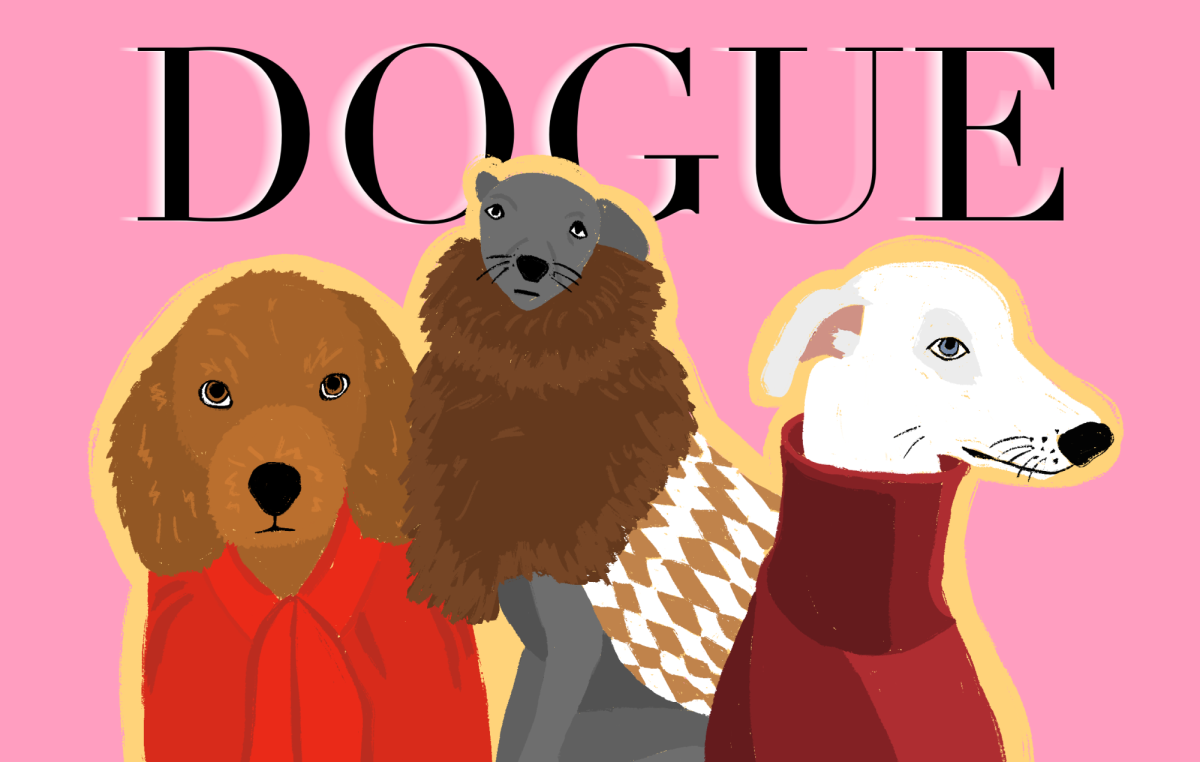
Summer has a way of stretching time, with long, warm days that seem to move slower than the calendar suggests. This period, often referred to as the dog days of summer, carries a reputation for heat, lethargy, and a certain heavy stillness in the air. The term itself has ancient origins, dating back to Roman and Greek civilizations, when people noticed the hottest days coincided with the rise of Sirius, the Dog Star, in the sky. These days have long been associated with a sense of intensity, both in temperature and in the unique rhythms of daily life that accompany them.
During this time, the natural world seems to pause. Animals adjust their routines, seeking shade and cool waters, while plants exhibit both the peak of summer growth and signs of stress from the relentless sun. Humans, too, feel the impact of these long, bright days. Productivity may slow, energy levels dip, and the desire for slow, languid afternoons becomes irresistible. The dog days of summer are as much a psychological phenomenon as they are a meteorological one, shaping the way people experience the season.
Historically, the dog days were more than a calendar marker; they influenced agriculture, social customs, and even health practices. Farmers planned their sowing and harvesting around this period, knowing that extreme heat could affect crop yields. In literature and folklore, these days were often depicted as times of risk and discomfort, moments when tempers flared, and illnesses were more likely to spread. The intersection of astronomy, climate, and human behavior made the dog days a noteworthy feature of the annual cycle, and their impact can still be felt in modern life.
The human response to the dog days often involves a search for balance and relief. Air-conditioned spaces, iced beverages, and shaded retreats become necessities rather than luxuries. Many people adjust their schedules, opting for early morning or late evening activities when temperatures are more manageable. Leisure, reflection, and outdoor enjoyment coexist with strategies to mitigate heat stress, creating a seasonal rhythm that blends work, play, and self-care. In essence, the dog days of summer encourage a heightened awareness of the environment and of personal limits.
Warmth, on the other hand, presents more than just a physical test; it impacts emotions and social behavior too. Researchers have pointed out that intense heat can alter irritability, enhance creativity, and affect decision-making processes. In the height of summer, communities may notice changes in behavior: individuals might move more slowly, prefer tranquil spots, or adopt minimalist routines. In contrast, events, trips to the coast, and summertime meetings persist, showcasing human resilience and the craving for connection even amidst uncomfortable conditions. This balance—between relaxation and action, heat and comfort—captures the essence of these end-of-summer days.
For those attuned to nature, the dog days present unique opportunities. Wildlife patterns shift, with birds and mammals altering feeding schedules to avoid the heat. Insects thrive in warmth, influencing plant pollination and ecological balance. Gardeners find that careful attention to watering and shade can preserve growth, while farmers must remain vigilant about soil conditions and crop hydration. Even casual observers can notice these subtle changes, gaining a deeper appreciation for the interplay between the sun’s intensity and the rhythms of life it governs.
The dog days also inspire cultural expression. From poetry to visual arts, creators have long used the season’s heavy, sunlit atmosphere to evoke emotion and contemplation. The quality of light during these weeks is often described as golden, saturated, and almost tangible, making landscapes, portraits, and still lifes particularly vivid. Music and literature frequently reference this time as a metaphor for passion, endurance, or transformation, reflecting the way humans internalize and interpret natural phenomena. The dog days, in this sense, are both a temporal marker and a source of inspiration.
Health considerations remain central during this period. High temperatures and humidity can exacerbate dehydration, heat exhaustion, and other heat-related illnesses. Experts recommend hydration, protective clothing, and avoiding prolonged exposure to direct sunlight. Beyond physical health, mental well-being is equally important. Recognizing the impact of heat on sleep patterns, mood, and energy can help individuals plan their days more effectively, creating environments that support comfort and productivity despite external conditions.
City settings, notably, experience the intense heat during the dog days. Pavement and buildings soak up and emit warmth, frequently causing metropolitan areas to be noticeably hotter than nearby countryside. City planners and architects consider this, integrating parks, cool roofs, and fountains to lessen the heat impact. Residents find it important to make use of urban gardens, change travel schedules, or engage in indoor hobbies as a way to handle the season both safely and comfortably. Consequently, these hot summer days affect not just personal habits but wider facets of city living.
Though it comes with its hurdles, the dog days of summer carry a certain allure appreciated by many. Extended twilight hours, warm nights, and the gentle buzz of life soaking in a golden sun bring about moments of tranquility and contemplation. This time of year fosters a connection with nature, the community, and personal introspection. By accepting the cadence and constraints brought by the warmth, people can find novel ways to enjoy this period, be it via travel, hobbies, or simply relishing the mild summer evenings.
The dog days of summer are a multifaceted period defined by intensity, adaptation, and reflection. They remind us of the influence of natural cycles on human behavior, the need for self-care, and the potential for seasonal inspiration. Whether navigating urban heat or rural fields, whether seeking leisure or productivity, these days challenge and enrich life simultaneously. Understanding the dog days encourages mindfulness of our surroundings and fosters appreciation for the unique qualities that late summer brings.