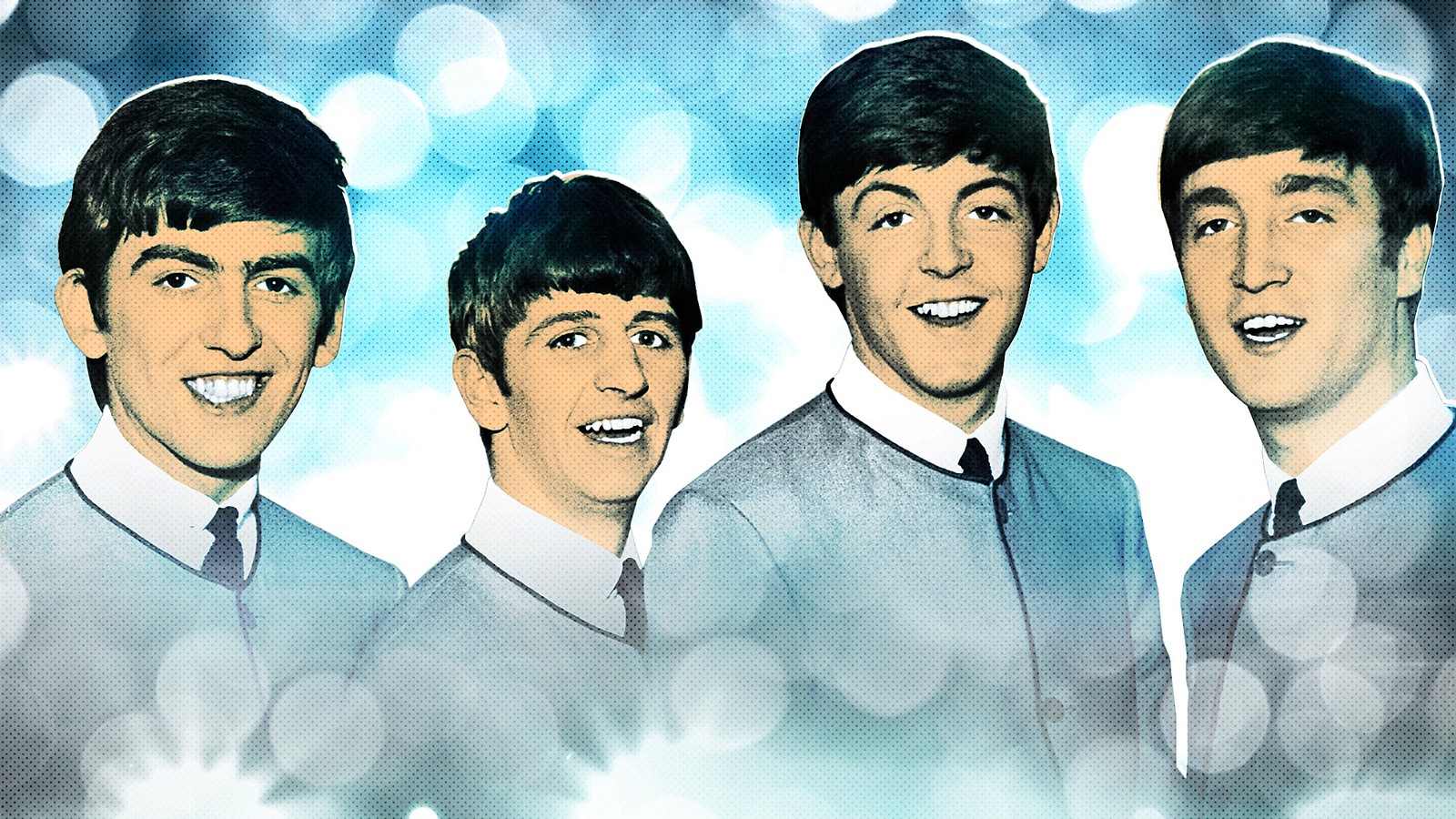
The narrative of The Beatles frequently focuses on their remarkable skills, memorable shows, and transformative effect on the music scene. However, beyond their memorable tunes and innovative records, there was an individual whose impact was crucial in shaping their natural creativity into enduring classics. His comprehension of music went past merely creating or performing; he had a unique talent for identifying potential and elevating it to something exceptional.
From the earliest sessions, he sensed that this group from Liverpool was unlike anything the industry had seen before. Their harmonies were fresh, their songwriting ambitious, and their energy undeniable. But raw talent alone does not guarantee success. It takes someone who knows how to refine, guide, and elevate ideas to their fullest potential. That person became the architect of their sound—the one who transformed catchy tunes into cultural milestones.
He brought with him years of experience and a refined ear for what would resonate with audiences. His approach combined technical precision with creative freedom, allowing The Beatles to experiment while maintaining a commercial appeal that propelled them to the top of the charts. The partnership was not just about producing music; it was about crafting an identity that would define a generation.
Every decision in the studio, from the orchestral arrangements to the innovative recording techniques, carried his signature touch. He was a master at recognizing when to take risks, often introducing elements that seemed unconventional at the time but later became hallmarks of their sound. Tracks that pushed boundaries, such as those incorporating classical instruments or layered harmonies, reflected his willingness to merge genres and challenge norms.
As The Beatles developed, his contribution grew too. He fostered their inquisitiveness, backing their interest in exploring new instruments, effects, and techniques. His impact went beyond music; he grasped the art of storytelling, emotions, and the significance of crafting an experience for the audience. Every album was more than just a series of tracks—it was a voyage, carefully designed to engage listeners from beginning to end.
Behind every iconic hit was a shared vision between the band and their trusted collaborator. He did not simply follow trends; he helped set them. His insight into what made a song truly memorable allowed The Beatles to dominate charts worldwide. While their charisma and talent were undeniable, his guidance turned their aspirations into reality.
Even after many years, the projects he led continue to motivate artists and producers from different musical styles. The methods introduced in that era have turned into industry norms, shaping the way sound is captured, organized, and perceived. His impact is deeply embedded in the essence of popular music, showing that groundbreaking advances frequently arise from creative partnerships.
The tale of The Beatles is incomplete without mentioning the individual who contributed significantly to their sound. He realized that achieving success went beyond producing a popular track; it was about crafting music that would stand the test of time. His skill in merging creativity with technical expertise played a crucial role, transforming four gifted young men into the most impactful music group in history.
Ultimately, while his name might not be as widely known as John, Paul, George, or Ringo, his influence can be found in every tune, every melody, and every daring innovation that characterized their time. His contributions remind us that behind each remarkable artist is someone who believes in their promise—and understands how to make it stand out.