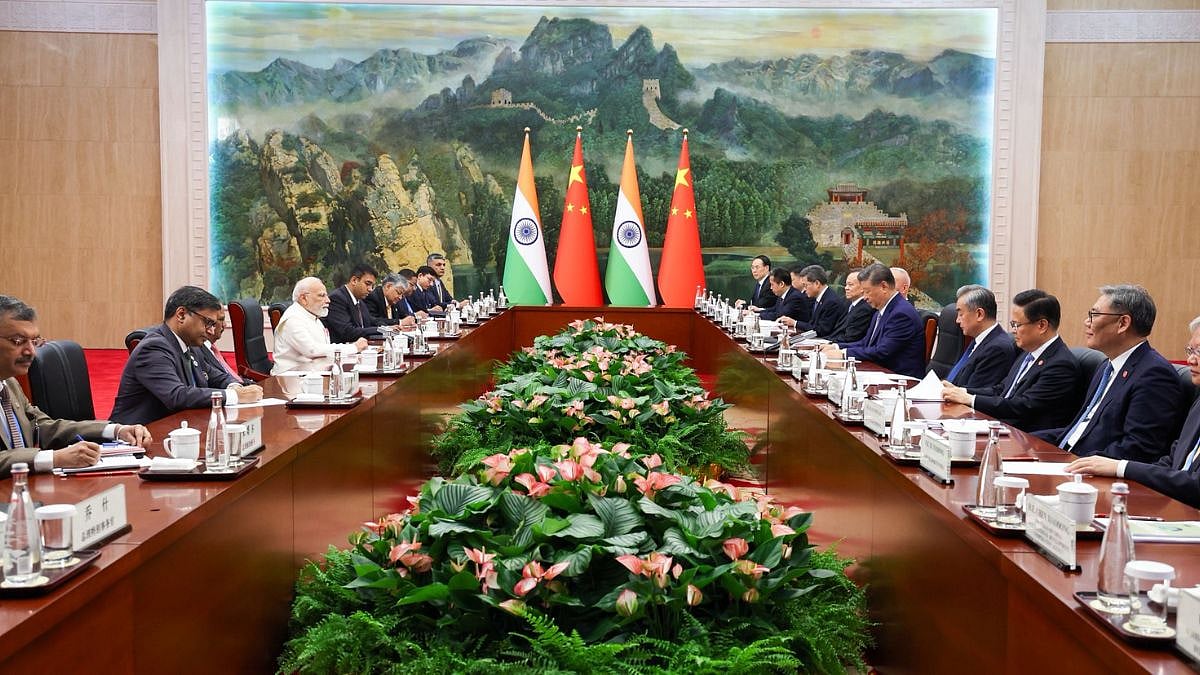
In a global landscape characterized by economic instability and changing partnerships, Chinese President Xi Jinping and Indian Prime Minister Narendra Modi have underscored the significance of their bilateral relationship. Their latest conversations occur amidst a period when international trade frictions, such as those initiated by tariffs from the United States, are influencing markets across the globe and encouraging countries to evaluate their strategic alliances.
The discussion between Xi and Modi highlights a mutual desire to uphold stability and foster collaboration between these two major Asian nations. The leaders stressed the importance of communication and mutual regard as crucial methods for managing a complicated international landscape. By projecting solidarity, they seek to strengthen regional harmony and safeguard their economic priorities in the midst of worldwide unpredictability.
Trade has been at the heart of their interactions. Tariffs imposed by the U.S. and other protective actions have caused interruptions in supply chains and raised expenses for companies in both China and India. Against this backdrop, enhancing trade and investment connections bilaterally acts as a viable reaction to worldwide economic challenges. Representatives from both countries have explored ways to enable more seamless trade activities, such as plans to lower trade restrictions and promote collaborative industrial ventures.
Beyond economic concerns, Xi and Modi addressed the broader geopolitical landscape. With tensions rising in several regions, both leaders stressed the need for multilateral solutions and regional cooperation. Their discussions reflect an understanding that global challenges—ranging from climate change to cybersecurity—require collaboration rather than confrontation. Strengthening the China-India relationship is therefore seen as a stabilizing force in an unpredictable world.
Infrastructure and technology are also key topics in their dialogue. China’s experience with large-scale development projects, including the Belt and Road Initiative, offers lessons that could benefit India’s urbanization and connectivity efforts. Meanwhile, India’s growing tech sector and market potential provide opportunities for collaboration, particularly in areas such as information technology, renewable energy, and digital trade. Both nations view these exchanges as mutually advantageous.
The significance of the meeting between the leaders goes beyond economic matters. Amidst a climate of increasing nationalism and protectionism, the public declaration of camaraderie by Xi and Modi conveys a clear signal to the world: The two most populous nations in Asia are ready to work together, even as global alliances change. This stance might inspire other countries to seek collaborations grounded on mutual interests instead of ideological differences.
Security cooperation was another aspect of their discussions, particularly concerning border management and regional stability. Past tensions along the China-India border have required careful diplomacy, and both sides emphasized the importance of dialogue, confidence-building measures, and communication channels to prevent misunderstandings. Maintaining peace along their shared border remains a top priority for both governments.
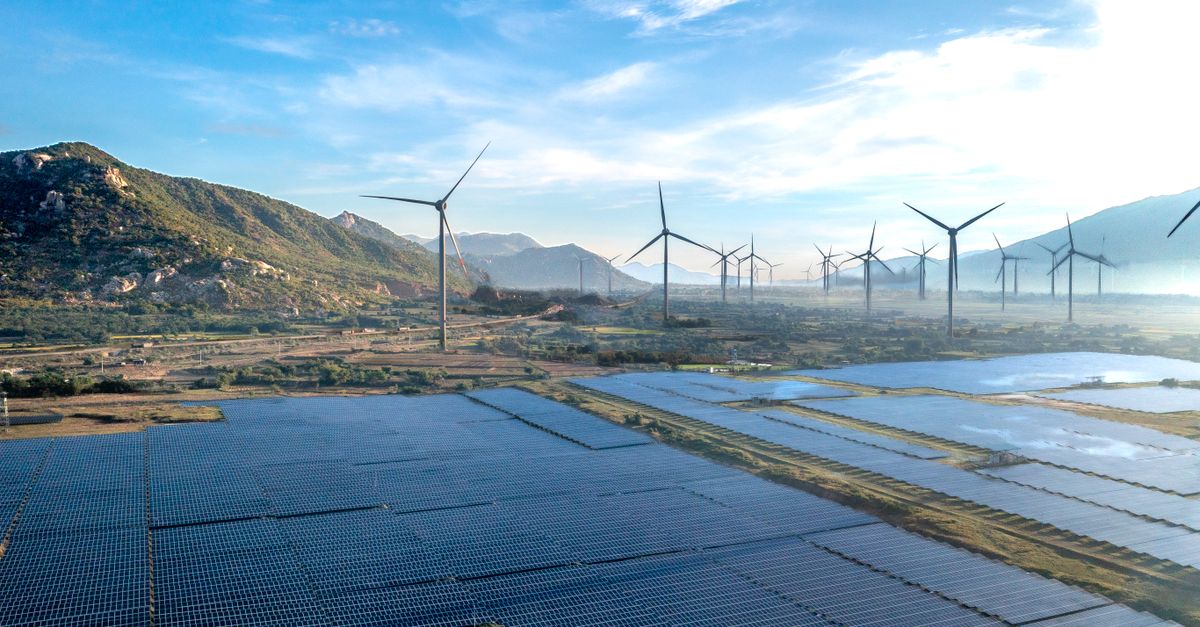
Economic forums and trade councils have already begun implementing some of the ideas discussed by Xi and Modi. Plans to promote investment in sectors like renewable energy, infrastructure, and high-tech manufacturing are underway, aimed at boosting bilateral trade while offsetting the impact of external tariffs. These projects are expected to create jobs, encourage technological exchange, and reinforce economic resilience.
Experts suggest that China and India’s strengthened partnership could have ripple effects across Asia and beyond. As two of the world’s fastest-growing economies, their cooperation can influence global supply chains, commodity markets, and regional development strategies. By working together, the two countries aim to create a counterbalance to economic volatility and assert more influence in global governance forums.
The officials also discussed cultural and educational exchanges, acknowledging the importance of interpersonal connections in building enduring goodwill. Programs for students, research partnerships, and tourism initiatives were emphasized as means to enhance mutual comprehension and establish networks that advance diplomatic and economic goals. These efforts illustrate that diplomacy transcends governmental pathways and can create lasting effects on society.
Despite differences in political systems, economic models, and strategic priorities, Xi and Modi emphasized that pragmatism and mutual benefit are central to their relationship. Both sides acknowledged the challenges posed by external pressures, yet they agreed that cooperation provides a more constructive path than confrontation. This approach reflects a growing trend among nations seeking stability and predictability amid global unpredictability.
Financial analysts have observed that improved China-India relations might alleviate certain disruptive impacts caused by tariffs and trade conflicts. By broadening their trade connections and establishing different supply networks, companies in both nations may discover new avenues for expansion. This strategic method also diminishes dependency on markets that frequently experience unpredictable policy changes.
Infrastructure projects discussed during their talks include transport corridors, energy pipelines, and joint ventures in technology parks. These initiatives aim to facilitate the movement of goods and services while promoting sustainable development. Both governments view these projects as a long-term investment in regional prosperity that transcends short-term geopolitical challenges.
Public statements by Xi and Modi have emphasized mutual respect and shared vision. The leaders highlighted that friendship and collaboration are not just ideals but practical strategies for navigating a world where economic uncertainty, political tensions, and environmental crises are increasingly interconnected. Their dialogue underscores a commitment to stability and progress, even in the face of global disruption.
El análisis global a esta colaboración ha sido prudente pero atento. Los analistas reconocen la importancia estratégica de fortalecer los lazos entre China e India, considerando su población, influencia económica y ubicación geográfica. Mientras las potencias occidentales continúan con la imposición de aranceles y restricciones comerciales, las dos naciones asiáticas parecen decididas a establecer un marco que proteja sus intereses y promueva el desarrollo regional.
As global markets continue to fluctuate, the emphasis on cooperation over competition sets an example for other nations. Xi and Modi’s discussions demonstrate that even in a chaotic international environment, diplomacy and pragmatic partnerships can offer pathways to stability. This approach may influence policy decisions not only in Asia but also in other regions seeking alternatives to reliance on traditional power blocs.
Looking ahead, the China-India relationship is likely to remain a focal point in global economic and political strategy. Both nations are investing in initiatives that promote mutual growth, technological advancement, and regional stability. While challenges will persist, their recent dialogues illustrate a shared understanding that collaboration can yield greater benefits than unilateral action or reliance on external powers.
The discussion between Xi Jinping and Narendra Modi signifies a calculated initiative to enhance mutual relationships during a time of worldwide unpredictability. By emphasizing amity, trade collaboration, and area stability, the two heads strive to steer through the intricate global scenario while establishing their countries as significant actors. Their dedication indicates that even in the face of outside pressures like trade barriers and geopolitical conflicts, active diplomacy and pragmatic alliances continue to be crucial instruments for ensuring economic and political robustness.