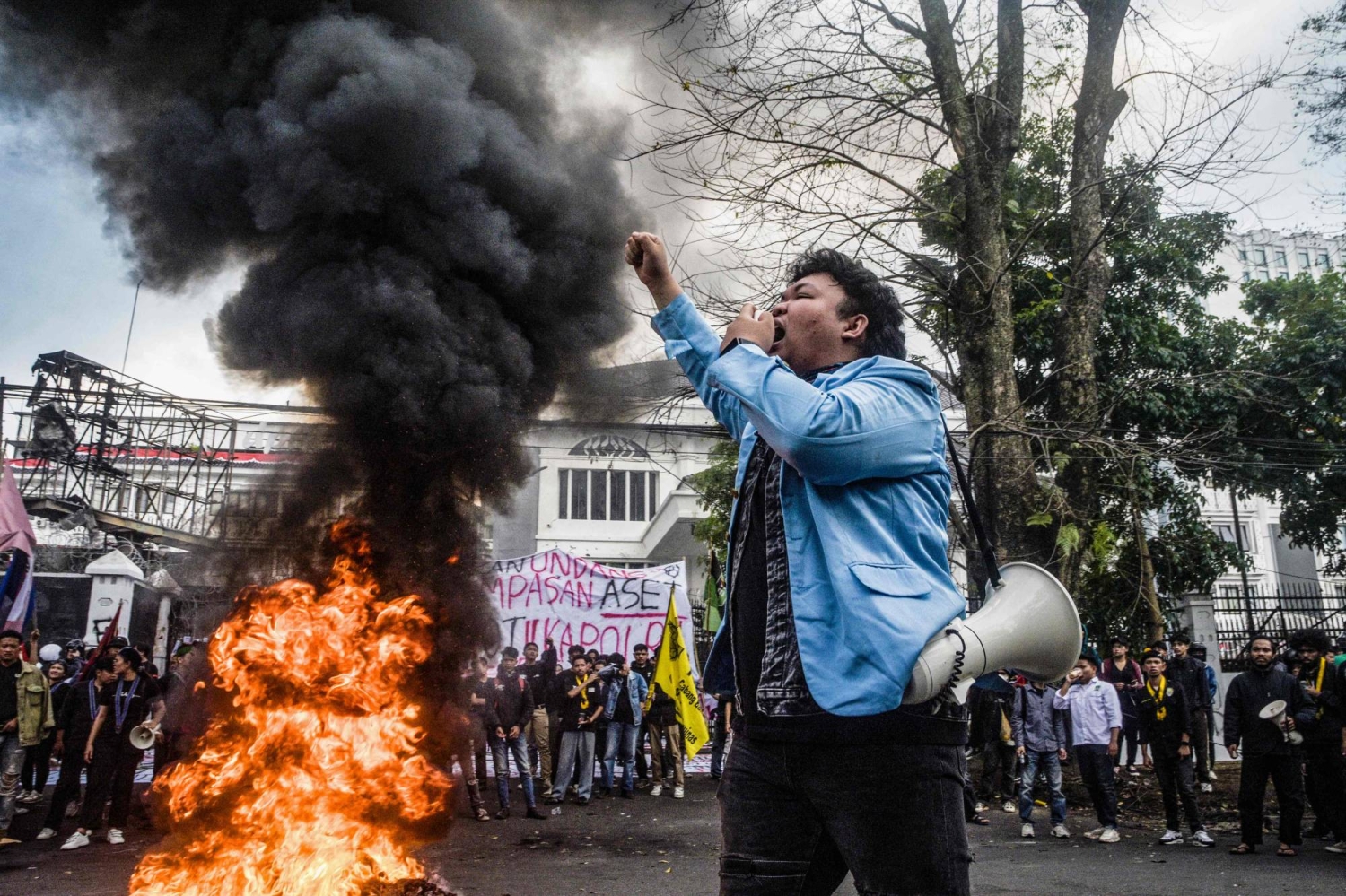
In an unexpected development, Indonesia’s President has made major policy changes after a wave of violent protests led to the cancellation of a scheduled diplomatic trip to China. The disturbances, which spread through various cities, underscored significant societal and economic discontent, pushing the government to reevaluate its domestic and international strategies. This situation highlights the fragile equilibrium Indonesia must maintain as it handles internal challenges while upholding its position internationally.
The demonstrations commenced earlier this week and swiftly intensified into fierce confrontations between protesters and law enforcement. People gathered in the streets to voice their discontent regarding increasing living expenses, recent economic policies, and an alleged lack of government attention to public well-being. In various locations, the protests became fatal, resulting in numerous deaths and hundreds of injuries. The severity of the protests, alongside increasing public anger, rendered it unfeasible for the president to attend the scheduled summit in China, which was aimed at enhancing bilateral trade and investment relations.
Analysts note that the decision to scrap the summit visit represents a rare instance of rapid policy recalibration in response to domestic unrest. By delaying the trip, the president signaled the seriousness of the domestic situation and prioritized addressing citizens’ concerns over international diplomatic commitments. The move reflects an understanding that public support is essential for long-term political stability and economic development in a country as diverse and populous as Indonesia.
The measures declared by the president consist of actions designed to lessen the financial strain on families, focusing mainly on communities with lower incomes. These actions incorporate temporary aid for essential products, modifications to fuel costs, and an examination of debated economic changes that had triggered the first wave of protests. Authorities have stressed that these initiatives aim to show a commitment to public opinion and rebuild confidence between the government and its citizens.
Beyond immediate economic relief, the administration has pledged to engage in broader consultations with civil society groups, labor unions, and regional leaders to ensure that future policies reflect a more inclusive decision-making process. This approach aims to prevent further unrest by creating channels for dialogue and collaboration, giving citizens a direct voice in shaping economic and social reforms.
The calling off of the China summit, although crucial on a diplomatic level, also affects Indonesia’s approach to foreign relations. China acts as a significant trade ally and investor within Southeast Asia, and the planned visit was anticipated to strengthen accords related to infrastructure ventures, commerce agreements, and strategic alliances. By rescheduling the journey, Indonesia temporarily sets back these discussions, which might influence schedules for current projects like port enhancements, energy initiatives, and tech partnerships. Nonetheless, experts propose that the administration’s focus on internal stability is poised to strengthen its bargaining power over time, showcasing a pledge to an orderly and well-managed setting.
Public reaction to the president’s concessions has been mixed. Some citizens view the policy adjustments as a positive step toward addressing systemic inequalities and ensuring that economic growth benefits a broader segment of society. Others remain skeptical, questioning whether these measures are sufficient to tackle the root causes of widespread discontent. Social media platforms have been filled with debate, reflecting the country’s diverse opinions and the high level of civic engagement among Indonesians.
The duties of police and emergency services have also faced examination. Authorities were sent to manage order during the protests, but allegations of undue force have led to demands for increased transparency and change. Civil rights groups have stressed the importance of measured actions that safeguard public security while respecting the right to peaceful protest. These conversations are anticipated to shape forthcoming plans for managing civil disorder and ensuring that demonstrations stay peaceful.
Economists warn that the protests and subsequent policy concessions may have short-term economic repercussions, including market volatility, disruptions to trade, and delays in foreign investment projects. However, many agree that these steps are crucial for maintaining long-term stability. Ensuring that citizens feel heard and protected can foster a more resilient economy, encourage sustainable development, and prevent deeper social fractures.
The Indonesia case also highlights broader regional implications. Southeast Asia is home to several emerging economies facing similar challenges of balancing rapid growth with social equity and public satisfaction. Indonesia’s response to domestic unrest offers lessons for neighboring countries on crisis management, the importance of proactive communication, and the value of prioritizing citizen welfare alongside international commitments.
Experts emphasize that the government must continue monitoring both the social and economic landscapes to prevent future escalations. Strategies under consideration include expanding social safety nets, creating targeted employment programs, and improving transparency in policymaking. Effective communication with the public, combined with timely and meaningful action, will be key to ensuring that citizens perceive the government as responsive and accountable.
The incident also raises questions about the interplay between domestic politics and international diplomacy. While leaders often seek to project stability and continuity abroad, unexpected domestic crises can force difficult trade-offs. In this case, the president’s decision to cancel the China summit reflects a calculated prioritization of national stability over immediate diplomatic engagement. Observers suggest that this approach may ultimately strengthen Indonesia’s credibility on the international stage by demonstrating a commitment to responsible governance.
Alongside modifications in policies, the administration has initiated outreach programs to clarify the reasons for the decisions and gather input from impacted communities. Public meetings, internet platforms, and partnerships with local officials are employed to involve citizens directly. Through promoting open discussion and clarity, the government seeks to restore confidence and motivate meaningful involvement in developing future strategies.
The occurrences in Indonesia highlight the significance of being prepared for crises in contemporary governance. Authorities need to swiftly address disruptions in social, economic, and political sectors while preserving crucial operations and protecting global partnerships. Efficient crisis response requires a mix of strategic foresight, flexible leadership, and transparent communication with both national and international parties.
Anticipating future developments, Indonesia confronts the task of executing the declared concessions efficiently as it gets ready to reintegrate into global discussions, such as the postponed summit with China. Achieving success will rely heavily on the meticulous collaboration among government officials, the public sector, corporate executives, and foreign allies. The skill to harmonize internal stability with international relations is expected to shape the government’s reputation both nationally and internationally.
The recent protests and subsequent policy concessions in Indonesia illustrate the complex interplay between domestic governance and international diplomacy. By responding to citizen demands and postponing a key international visit, the president has signaled a willingness to prioritize public welfare while navigating challenging economic and social conditions. The coming months will be critical in assessing the effectiveness of these measures, the resilience of public trust, and the country’s capacity to resume its diplomatic initiatives on a stable footing. Indonesia’s experience offers valuable insights into crisis management, the importance of responsive leadership, and the enduring significance of balancing domestic needs with international ambitions.