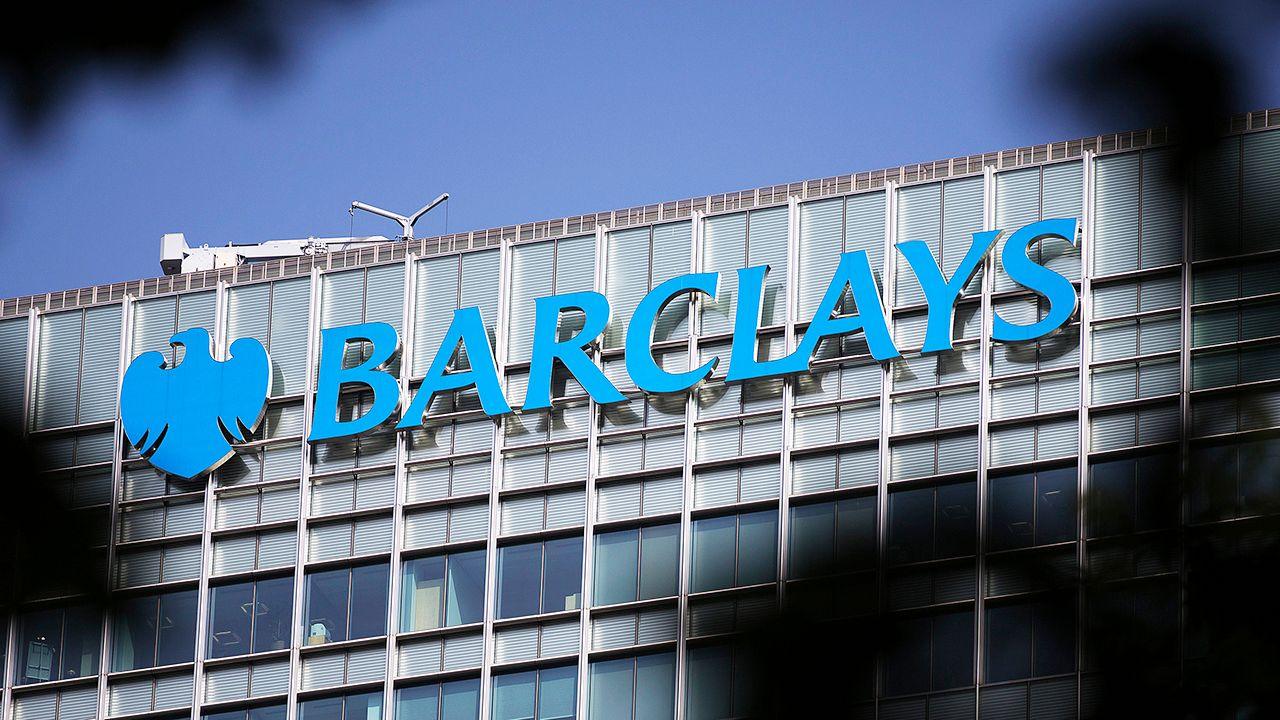
Barclays has been hit with a significant financial penalty following findings that the bank failed to adequately manage its exposure to financial crime risks. Regulatory authorities determined that weaknesses in the institution’s systems and oversight allowed for prolonged deficiencies in how it identified, monitored, and responded to potential criminal activity within its business operations. The fine underscores the growing pressure on financial institutions to tighten internal controls amid a global crackdown on illicit financial flows.
The fine, amounting to several million pounds, was imposed by the UK’s Financial Conduct Authority (FCA) and signifies what the authority termed as “significant and long-standing” deficiencies in the bank’s anti-money laundering (AML) systems. Specifically, the FCA highlighted Barclays’ management of high-risk clients and its lack of adequate assessment of transactions and customer profiles that warranted increased due diligence.
These failures, regulators stated, created vulnerabilities that could have been exploited for money laundering or other forms of financial crime. Although there is no public allegation that specific criminal transactions were carried out as a direct result of these weaknesses, the presence of such gaps was deemed to pose an unacceptable level of risk—especially for an institution of Barclays’ scale and influence.
The conclusions of the FCA stem from a lengthy examination of adherence to regulations in the bank’s investment and corporate banking sections. Inspectors noted instances where customers identified as possibly high-risk did not undergo the scrutiny mandated by UK legislation. In certain situations, thorough evaluations were postponed or applied haphazardly, prompting worries regarding the bank’s capability to fulfill its responsibilities under the UK’s Proceeds of Crime Act and the Money Laundering Regulations.
A spokesperson for the FCA stated that while Barclays cooperated fully with the investigation, the scale and duration of the identified failings merited a robust financial sanction. The fine, they noted, is intended not only to hold the bank accountable but also to send a clear message to the wider financial services industry about the importance of proactive risk management and regulatory compliance.
Barclays has reacted by recognizing the results and pledging to keep investing in its compliance infrastructure. In a statement, the bank highlighted its efforts in recent years to revamp internal processes, improve employee training, and implement new technologies to better detect and prevent financial crime. Additionally, the bank noted leadership and governance changes as part of a wider plan to regain regulatory confidence.
Despite these assurances, critics argue that the penalty reflects deeper, systemic challenges within large financial institutions when it comes to combating financial crime. As global banking networks become more complex and digital transactions increasingly cross borders in real time, the risk of illicit finance grows—and so too does the need for sophisticated monitoring systems that can keep pace with emerging threats.
The Barclays case is not isolated. Over the past decade, numerous global banks have faced similar penalties for compliance failures related to money laundering, sanctions breaches, and other misconduct. Regulators in the UK, EU, and US have collectively imposed billions in fines, signaling a coordinated effort to hold institutions to higher standards of accountability.
What stands out about this situation is the FCA’s focus on failures in leadership, rather than just technical errors. The regulatory body highlighted that Barclays had plenty of resources and knowledge, implying they should have been better equipped to avoid these problems. This emphasis on leadership accountability indicates a change in approach, hinting that regulators might increasingly hold top executives liable for organizational compliance failures.
Barclays’ penalty also raises questions about the effectiveness of self-regulation within the banking sector. While most major banks operate internal audit teams and compliance departments, these measures sometimes fall short in detecting or addressing systemic risks. Some experts have called for more rigorous external oversight, including third-party audits and real-time reporting tools, to complement internal efforts.
The penalty also carries more extensive consequences for the confidence of investors and how the market views the situation. Despite the fact that the fine is not expected to significantly impact Barclays’ financial stability—considering its scale and profitability—it may still affect the feelings of shareholders and its reputation. In the current financial environment, a bank’s capacity to handle risk is strongly connected to its brand, and even individual instances of non-compliance can diminish public trust.
From a regulatory standpoint, the Barclays case underscores the UK’s commitment to upholding high standards in financial oversight, particularly in a post-Brexit environment where London is working to retain its position as a global financial hub. Demonstrating that large institutions will face consequences for failing to meet regulatory expectations sends a strong signal to both domestic and international markets.
Looking forward, Barclays has pledged to continue enhancing its risk frameworks, including the deployment of artificial intelligence and machine learning tools to detect suspicious activity. The bank is also investing in expanding its compliance teams and conducting regular audits to ensure that previously identified weaknesses are addressed and that new vulnerabilities are promptly identified.
For those monitoring the industry, the situation provides several important insights. Firstly, managing the risk of financial crimes has shifted from being a back-office task to becoming a strategic priority that mandates attention at the board level. Secondly, there is a growing emphasis from regulators on the significance of culture and leadership, beyond just failures in processes. Lastly, technology by itself cannot resolve systemic problems without being supported by a culture of openness, responsibility, and ongoing enhancement.
Barclays’ substantial monetary penalty highlights the importance of strong measures against financial crimes in today’s banking landscape. With challenges becoming more complex and authorities intensifying their oversight, financial firms must rapidly adjust—not just to evade fines, but to safeguard their reputations, clients, and the overall integrity of the financial system.

.jpg "How to Set Up an Offshore Company in Panama")
.jpg "Panama Pensionado Visa Requirements 2026")