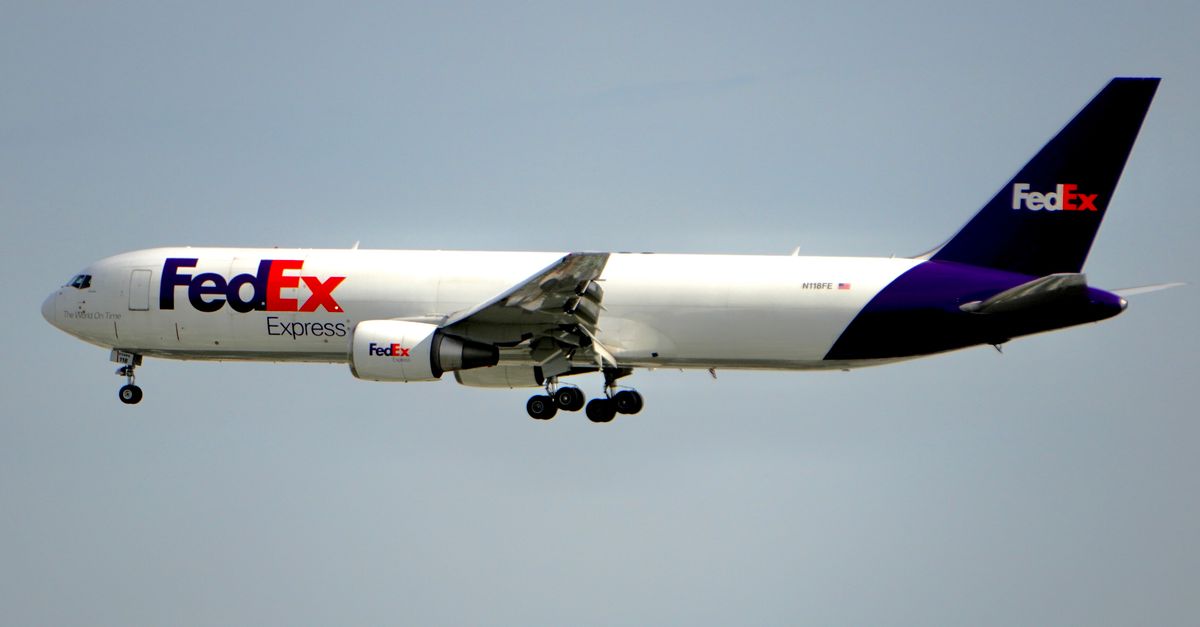

FedEx advances automation strategies aimed at optimizing regional and international supply chain efficiency
FedEx has intensified its push into automation to reinforce regional and global supply chains as e-commerce surges, geopolitical tensions disrupt trade, and customers increasingly expect rapid, transparent service; by deploying robotics, artificial intelligence, advanced data analytics, and autonomous technologies, the company is transforming its logistics network to boost reliability, streamline expenses, and expand operational capacity.Strategic Drivers Behind AutomationThe global logistics environment has grown increasingly intricate as supply chains face greater volatility, labor remains in short supply, and transportation expenses shift unpredictably. For FedEx, automation serves not just as a tech enhancement but as a strategic necessity designed to fulfill several…