Archaeologists have uncovered the remains of a ceremonial structure that could change what is known about the cultural roots of the Andes. This discovery, believed to predate the rise of the Inca Empire by centuries, has sparked excitement among researchers who suggest that it may provide insights into the spiritual life, social structure, and architectural advancements of a forgotten civilization.
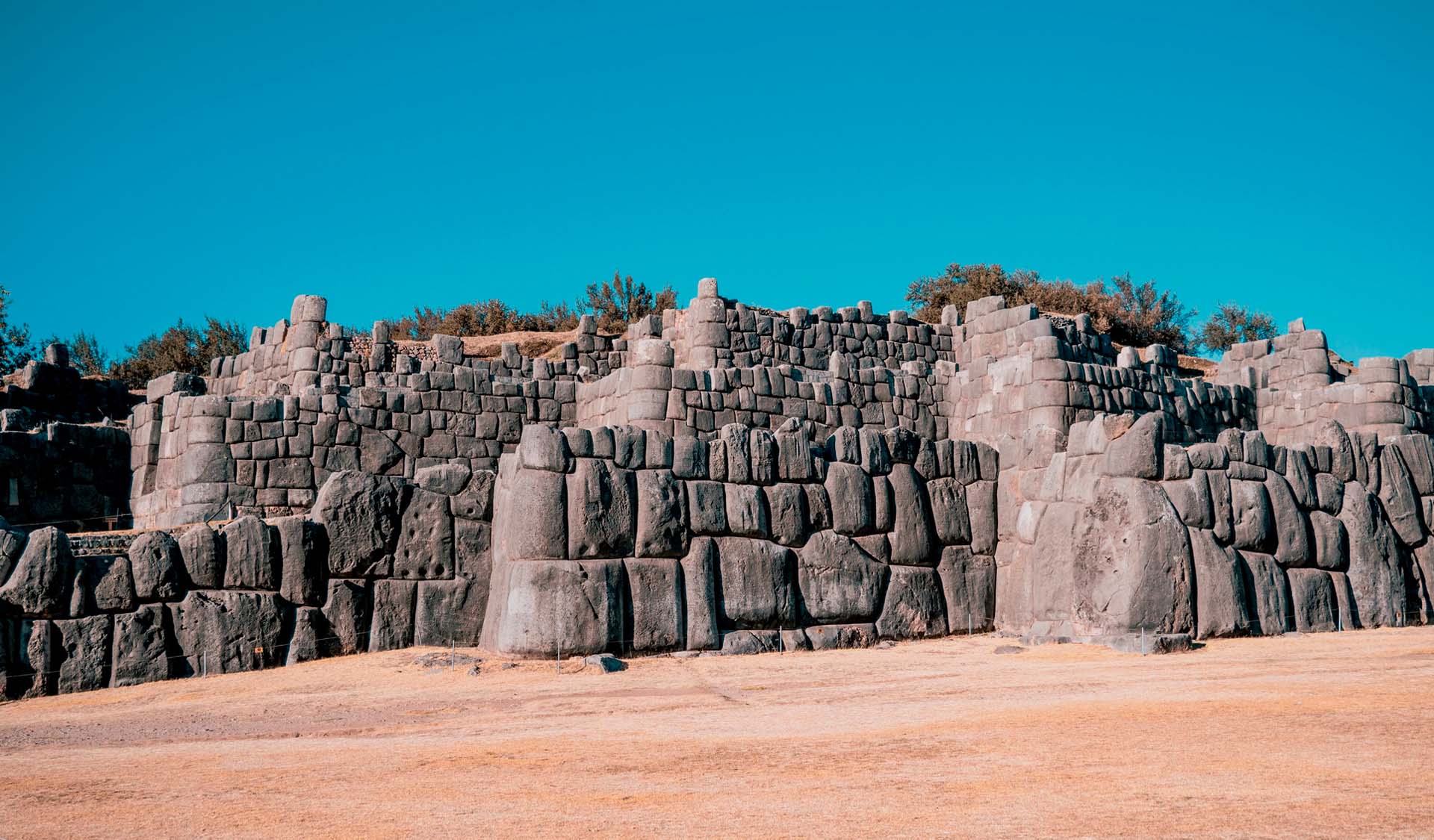
The temple, which is partially preserved despite the passage of time, is situated in a region long regarded as a cradle of early Andean societies. Initial findings suggest that the structure served as a significant ceremonial center rather than a common dwelling. Its design, construction techniques, and orientation indicate a deep understanding of both engineering and cosmology, pointing to a society that valued ritual and symbolism.
One of the most fascinating aspects of the discovery is the material evidence left behind. Fragments of tools, ceremonial objects, and decorative elements hint at a culture with a sophisticated sense of artistry and belief systems. These remnants are being analyzed to determine their origin and purpose, which could reveal the cultural exchange and trade networks that existed before the dominance of the Inca civilization.
El período de esta sociedad aún está siendo establecido, pero investigaciones preliminares indican que prosperó durante un momento en el que otras grandes culturas estaban surgiendo en diversas partes del mundo. Si esta datación resulta ser correcta, retrasaría la historia de las comunidades organizadas en los Andes por varios siglos, cuestionando las narrativas actuales sobre el desarrollo de la región.
Researchers believe that the temple was likely used for complex ceremonies involving offerings, music, and possibly astronomical observations. The alignment of certain architectural features with solar events suggests that this society had advanced knowledge of seasonal cycles, which would have been essential for agriculture and societal organization.
What makes this discovery particularly intriguing is its potential connection to later civilizations. The Inca Empire, known for its sophisticated infrastructure and administrative systems, did not emerge in isolation. Many scholars theorize that it built upon cultural foundations laid by earlier societies, and this temple could provide tangible evidence of that continuity.
Further excavations are expected to reveal additional details about the daily life and governance of this ancient community. Understanding how these people lived, what they believed, and how they interacted with their environment can shed light on the evolutionary path that led to one of the most powerful empires in pre-Columbian America.
The placement of the edifice also enhances its importance. Strategically situated in the Andean highlands, it might have functioned as a center for cultural and spiritual meetings, drawing individuals from neighboring areas. Such a function would suggest a degree of political or religious power, which could alter the perception of early Andean societies regarding their structure and impact.
As excavation continues, the research team faces the challenge of preserving delicate artifacts and architectural elements that have endured centuries of exposure. The process requires meticulous documentation and the application of modern conservation techniques to ensure that future generations can study and appreciate this piece of history.
The consequences of this finding stretch beyond the realm of archaeology. It encourages a wider discussion about how communities emerge, evolve, and occasionally disappear, leaving behind only remnants for later generations to decipher. Each object and structural element found at the location acts as a quiet testament to human creativity, durability, and the worldwide search for purpose.
If the findings confirm the early origin of this temple and its associated culture, it could transform the understanding of pre-Inca civilizations and their contributions to Andean heritage. For now, the site stands as both a mystery and a promise—a reminder that history is never fully written and that the earth still holds countless secrets waiting to be unearthed.