
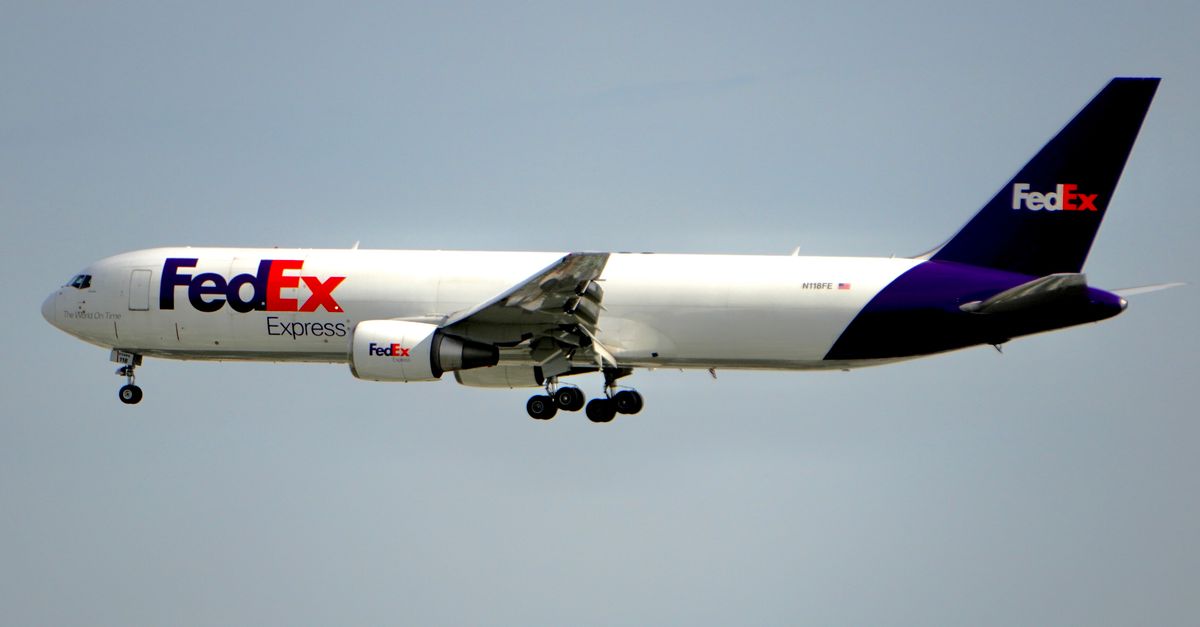
FedEx has intensified its push into automation to reinforce regional and global supply chains as e-commerce surges, geopolitical tensions disrupt trade, and customers increasingly expect rapid, transparent service; by deploying robotics, artificial intelligence, advanced data analytics, and autonomous technologies, the company is transforming its logistics network to boost reliability, streamline expenses, and expand operational capacity.
Strategic Drivers Behind Automation
The global logistics environment has grown increasingly intricate as supply chains face greater volatility, labor remains in short supply, and transportation expenses shift unpredictably. For FedEx, automation serves not just as a tech enhancement but as a strategic necessity designed to fulfill several essential goals:
- Operational resilience: Reducing dependence on manual processes to mitigate labor constraints and regional disruptions.
- Speed and throughput: Accelerating sorting, routing, and last-mile delivery processes.
- Cost efficiency: Lowering operational expenses through optimized workflows and predictive maintenance.
- Customer visibility: Enhancing real-time tracking and predictive delivery insights.
By aligning automation initiatives with these strategic goals, FedEx is reinforcing its competitive advantage across domestic and international markets.
Robotics and Intelligent Hubs
One prominent element of FedEx’s automation approach is the use of robotics throughout its sorting centers, where automated guided vehicles and robotic arms have been introduced to manage parcel organization and internal transport, boosting throughput and minimizing mistakes.
In many high-volume distribution hubs throughout North America and Europe, robotic platforms routinely handle thousands of parcels per hour while requiring only limited human involvement, relying on sophisticated vision systems to detect package size, labeling, and the most efficient routing options, ultimately enhancing sorting precision and notably decreasing overall handling time.
In Asia-Pacific regional hubs, dynamic routing driven by real-time shipment data is made possible by automated cross-belt sorters and conveyor systems, and this versatility enhances international freight operations where shipment characteristics and destination demands differ considerably.
Artificial Intelligence and Predictive Analytics
Artificial intelligence remains pivotal in streamlining supply chain operations, as FedEx employs machine learning models to predict shipping demand, identify potential congestion, and adjust resource allocation in real time.
Examples of AI-driven applications include:
- Demand forecasting: Predicting peak shipping periods to adjust staffing and equipment allocation.
- Route optimization: Calculating the most efficient delivery routes based on traffic, weather, and delivery density.
- Predictive maintenance: Monitoring aircraft and vehicle performance data to prevent breakdowns.
During high-demand seasons such as global holiday periods, predictive analytics enable FedEx to pre-position inventory and transportation assets in key regional markets. This proactive approach reduces transit times and improves on-time delivery performance across international corridors.
Autonomous and Last-Mile Innovations
The last mile continues to be among the supply chain’s most challenging and costly stages. To tackle this issue, FedEx has conducted trials of autonomous delivery robots and advanced driver-assistance technologies in select markets.
Autonomous ground vehicles designed for short-distance deliveries can navigate urban environments, delivering small parcels efficiently while reducing fuel consumption and labor costs. Meanwhile, telematics systems installed in delivery fleets provide real-time data on vehicle location, fuel efficiency, and driver behavior, enhancing safety and route precision.
In regional contexts, these innovations support faster intra-city deliveries. Internationally, they complement air and ground networks by ensuring seamless handoffs from customs clearance to final delivery.
Digital Connectivity Throughout Worldwide Networks
Automation extends beyond physical assets to digital infrastructure. FedEx has invested heavily in integrated platforms that connect shippers, customs authorities, and internal logistics teams.
Using centralized control towers, the company oversees cargo movements across global regions in real time. These platforms gather information from aircraft sensors, ground fleets, storage facilities, and customer touchpoints to deliver a cohesive operational overview.
Automated customs documentation and compliance reviews help shorten clearance times for international shipments, while digital trade documentation platforms verify shipping details in advance against regulatory standards to cut mistakes and speed up cross‑border movement.
This digital integration boosts clarity for international clients who need accurate delivery timelines and full end-to-end tracking visibility.
Tailoring Automation Approaches to Regional Needs
While automation initiatives follow a global framework, FedEx tailors implementation to regional conditions.
In North America, emphasis is placed on large-scale hub automation to handle substantial e-commerce volumes. In Europe, cross-border integration and regulatory compliance tools are prioritized due to complex trade regulations. In emerging markets across Asia and Latin America, modular automation solutions allow scalable deployment aligned with infrastructure development.
This regional adaptability ensures that automation investments deliver measurable returns while accommodating diverse market dynamics.
Environmental and Sustainability Impact
Automation supports FedEx’s sustainability objectives by boosting fuel economy and cutting waste, while streamlined route planning minimizes excess travel and predictive maintenance helps prolong overall fleet life.
Automated sorting systems further cut the energy required for each handled package, and by reducing manual corrections and routing errors, the company limits unnecessary transport and the emissions that come with it.
These initiatives align with broader corporate objectives to achieve carbon neutrality in operations, demonstrating how automation can drive both operational efficiency and environmental stewardship.
Quantifiable Results and Market Standing
The impact of automation is evident in improved performance metrics. Facilities equipped with advanced robotics report higher throughput rates and reduced processing errors. Enhanced route optimization has contributed to improved on-time delivery percentages in key markets.
Automation also bolsters FedEx’s capacity to expand its operations during spikes in demand without a corresponding rise in labor expenses, enabling more efficient scaling. This flexibility improves overall profitability and further solidifies its standing against global rivals pursuing comparable technological investments.
Customers enjoy quicker shipping, enhanced tracking precision, and steadier transit schedules, which strengthens confidence and fosters lasting business relationships.
The Evolving Logistics Ecosystem
Automation at FedEx represents a broader transformation in global logistics, where data-driven decision-making and intelligent systems replace traditional manual workflows. As supply chains become more interconnected and expectations for rapid fulfillment intensify, the integration of robotics, AI, and digital platforms becomes essential rather than optional.
FedEx’s strategy illustrates how automation can simultaneously strengthen regional responsiveness and international coordination. By harmonizing physical infrastructure with digital intelligence, the company is shaping a supply chain ecosystem defined by speed, adaptability, and resilience. The ongoing evolution of these technologies suggests that logistics networks will continue to shift toward increasingly autonomous, predictive, and interconnected models, redefining efficiency standards across global trade.