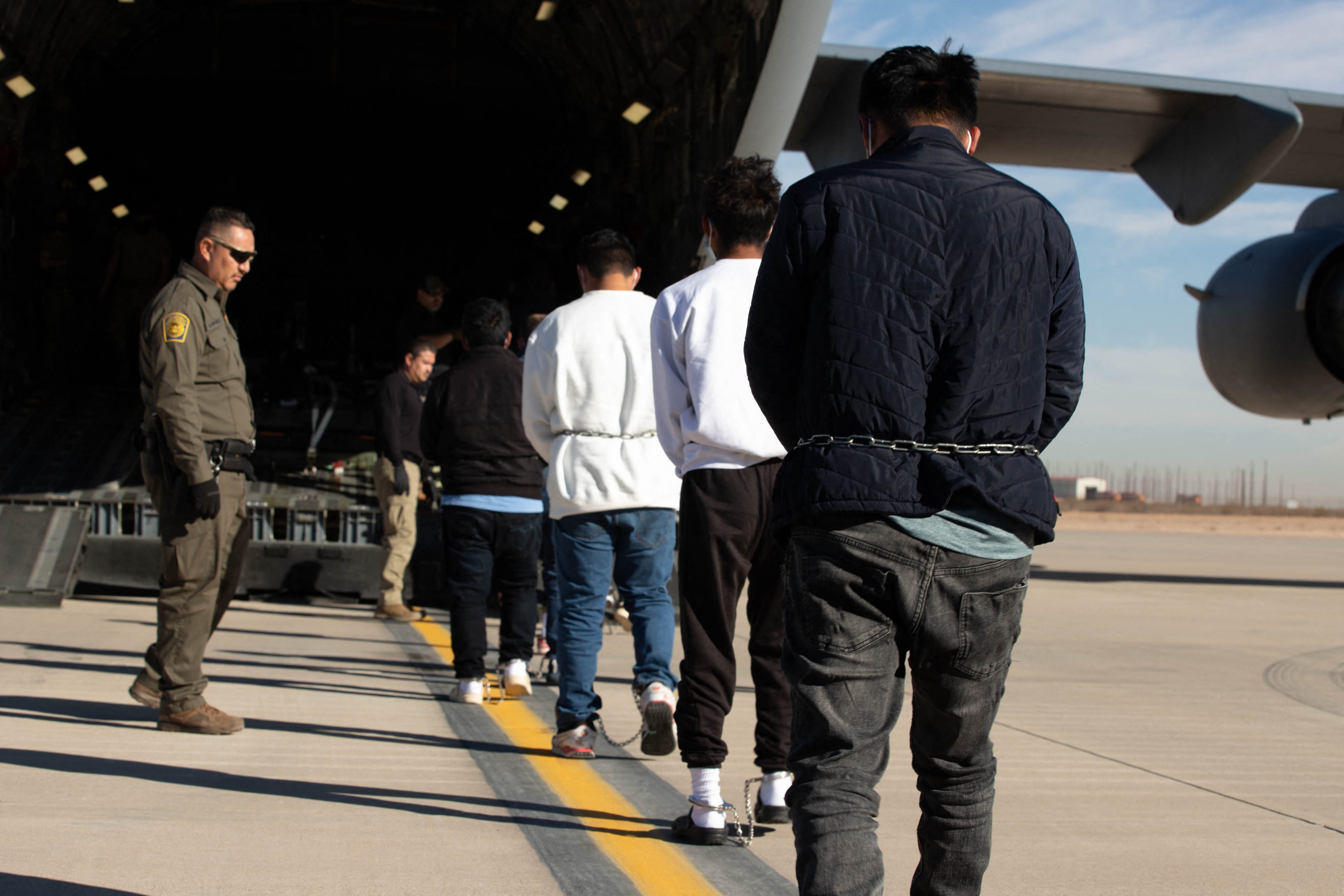
The government of the United States recently executed the deportation of five migrants to Eswatini, an action that has gained considerable notice because of the grave accusations aimed at the people involved. Officials depicted the migrants as having participated in violent and criminal acts, leading to rapid measures for their removal from US soil. This deportation underscores the persistent difficulties encountered by immigration enforcement bodies in weighing national security priorities against humanitarian and legal factors.
The migrants in question were reportedly linked to a series of offenses that local and federal officials characterized as “barbaric,” reflecting the severity of their alleged conduct. While specific details have been kept confidential due to ongoing investigations and privacy protections, law enforcement sources indicate that the individuals’ actions posed a significant threat to public safety. These allegations include violent behavior and other serious crimes that warranted expedited removal.
Eswatini, a small landlocked country in Southern Africa, has received these deportees amid diplomatic coordination between US and Eswatini officials. The process involved careful logistical planning to ensure compliance with international laws and respect for the migrants’ rights. Despite the sensitive nature of the case, both governments emphasized the importance of enforcing immigration policies while upholding due process.
This deportation comes at a time of heightened scrutiny over immigration enforcement practices in the United States. Advocates and human rights organizations often raise concerns about the treatment of migrants and the criteria used to classify individuals as threats to society. Critics argue that some deportations may lack transparency or fail to consider the complex circumstances surrounding migration and criminal allegations.
Advocates for deportation stress the importance of defending communities and preserving the legal framework. They maintain that quick measures against persons participating in violent or unlawful acts are crucial to ensure public security and maintain the credibility of immigration processes. This situation is referenced as an illustration of enforcement bodies taking firm action in response to significant violations.
The broader context includes ongoing debates about immigration reform, border security, and the balance between enforcement and humanitarian aid. The US government faces pressure to address illegal immigration effectively while ensuring respect for human rights and international obligations. Cases involving alleged criminal conduct among migrants often become focal points in these discussions.
Eswatini’s involvement in this situation also prompts significant inquiries regarding the capabilities and duties of nations accepting deported individuals. The government has to handle the difficulties of reintegration and keep a watch on those with potential criminal pasts. Collaboration between countries is essential to prevent deportations from contributing to additional security threats or violations of human rights.
Legal specialists emphasize that removal processes should comply with established protocols, such as impartial hearings and opportunities for appeal when suitable. The intricacy of cases with severe accusations necessitates detailed investigation and collaboration among various agencies. Ensuring that steps taken are both legal and equitable is essential for upholding trust in immigration enforcement.
The public response to the deportation has been mixed. Some view it as a necessary step in combating crime and protecting citizens, while others express concern about the potential for abuse or mistakes in the process. Transparency from authorities and accountability are central to addressing these divergent perspectives.
As the US continues to navigate the complexities of immigration enforcement, this deportation underscores the importance of clear policies, intergovernmental collaboration, and respect for legal frameworks. Managing the delicate balance between security and human rights remains an ongoing challenge, with each case contributing to the evolving landscape of immigration law and practice.
The removal of five migrants to Eswatini on the grounds of alleged violent criminal conduct highlights critical issues within immigration enforcement. It reflects the US government’s commitment to addressing threats while facing scrutiny over procedural fairness. The collaboration between the United States and Eswatini in this instance demonstrates the international dimensions of immigration policy and the need for continued dialogue and oversight in this sensitive arena.