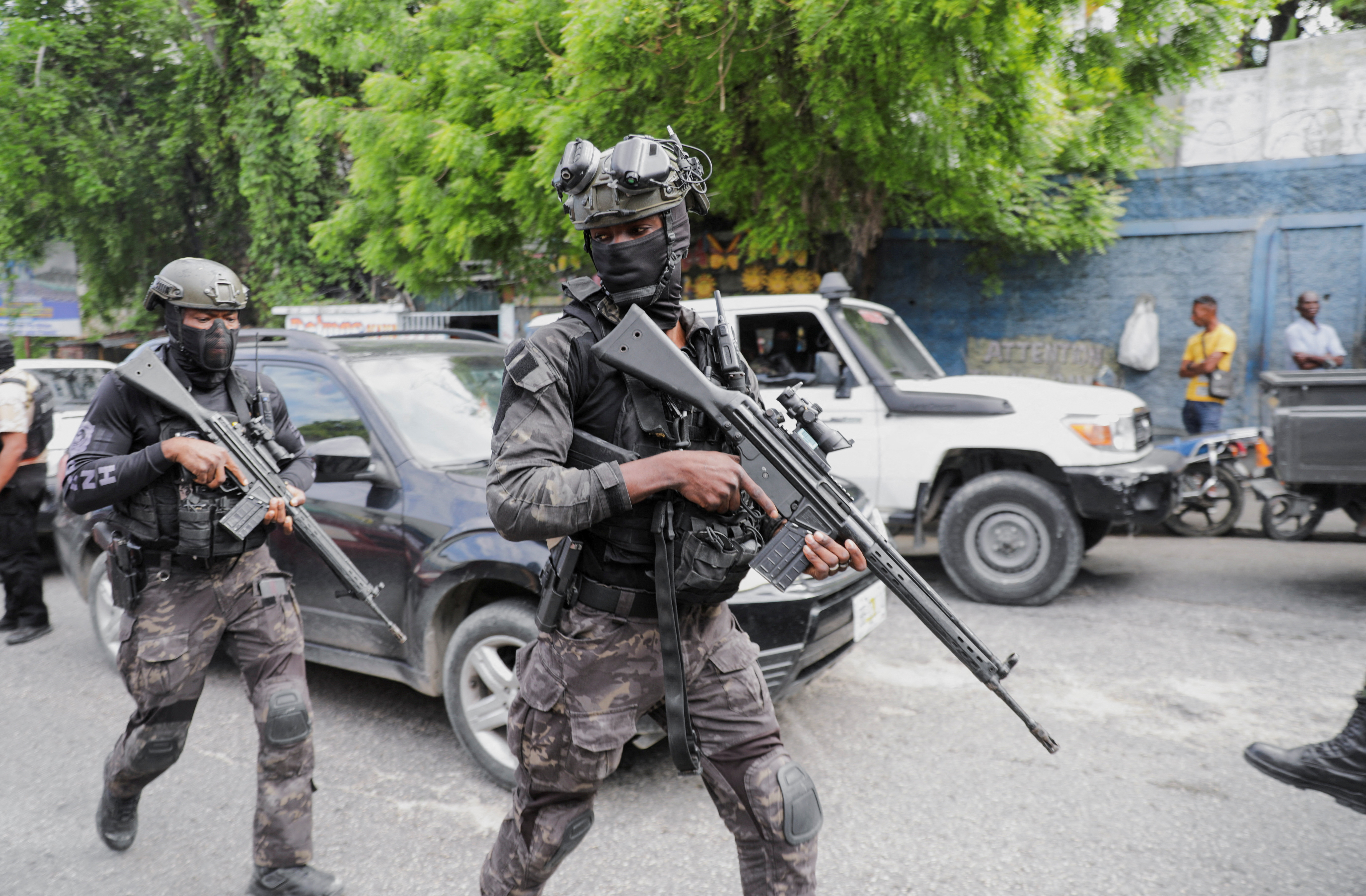
The Caribbean nation of Haiti has entered a critical phase of political transition as newly appointed leaders take office while armed groups continue their violent campaign to destabilize the government. This leadership change occurs during one of the most challenging periods in Haiti’s recent history, with criminal organizations controlling significant portions of the capital and threatening to topple the country’s fragile political institutions.
The newly installed transitional presidential council signifies a delicate effort to reestablish order and democratic rule. Made up of nine individuals from different political parties and civil society organizations, this provisional leadership confronts the formidable challenge of bringing stability to a country where gang-related violence has disrupted everyday activities. The council’s creation is the result of prolonged talks facilitated by global partners after the former prime minister stepped down due to pressure from demonstrators and militant groups.
Security experts indicate that criminal organizations have taken over about 80% of Port-au-Prince, the capital of Haiti. These armed factions have deliberately targeted government offices, police facilities, and essential infrastructure to assert dominance. The unrest has led to a humanitarian crisis, forcing thousands to leave their homes and causing essential services to fall apart in the impacted regions.
The new leadership inherits a nation where:
- More than 360,000 people continue to be internally displaced because of gang violence
- Almost half of the populace is experiencing extreme food shortages
- The country’s police department is notably lacking in both personnel and resources
- Essential government duties have been moved to safer areas
International response to the crisis has been cautious but growing. The United Nations Security Council recently authorized a multinational security mission to assist Haitian police, though deployment timelines remain uncertain. Neighboring nations have increased border security while preparing for potential refugee flows, and regional organizations continue diplomatic efforts to support Haiti’s transitional process.
The economic consequences of the ongoing instability are severely damaging what is left of Haiti’s official economy. The primary port has been functioning sporadically because of security issues, leading to a scarcity of crucial goods. Inflation has surged, with food costs rising by over 45% just in the last year. Numerous businesses have shut down for good, while those still operating are encountering extortion threats from armed gangs.
Humanitarian groups indicate that they face significant challenges in supplying aid to territories controlled by gangs. Medical establishments are dealing with scarcities of supplies and potential dangers, resulting in numerous Haitians lacking fundamental healthcare services. The education sector has been gravely affected, as a majority of schools in the capital area have been shut for several months because of safety issues.
The transitional council’s immediate priorities include restoring basic security, preparing for eventual elections, and addressing the humanitarian crisis. However, experts caution that meaningful progress will require neutralizing armed groups that have effectively become parallel governing forces in many communities. Some gangs have political connections dating back years, while others operate as purely criminal enterprises exploiting the power vacuum.
Haiti’s intricate situation arises from years of political unrest, environmental catastrophes, external interference, and persistent poverty. The ongoing violence not only reflects these enduring issues but also exacerbates them. As the fresh leadership seeks to pave a way forward, the global community observes attentively to determine if this interim government can achieve what previous administrations could not in bringing stability back to the troubled nation.
For everyday residents of Haiti, focusing on survival is a top priority. Numerous individuals express a sense of neglect by their own government and the global community as they contend with checkpoints, lack of resources, and the ever-present danger of violence. The upcoming months will challenge if the most recent political shift in Haiti can bring about real advancements for a society that has faced a series of worsening situations with waning optimism for reform.