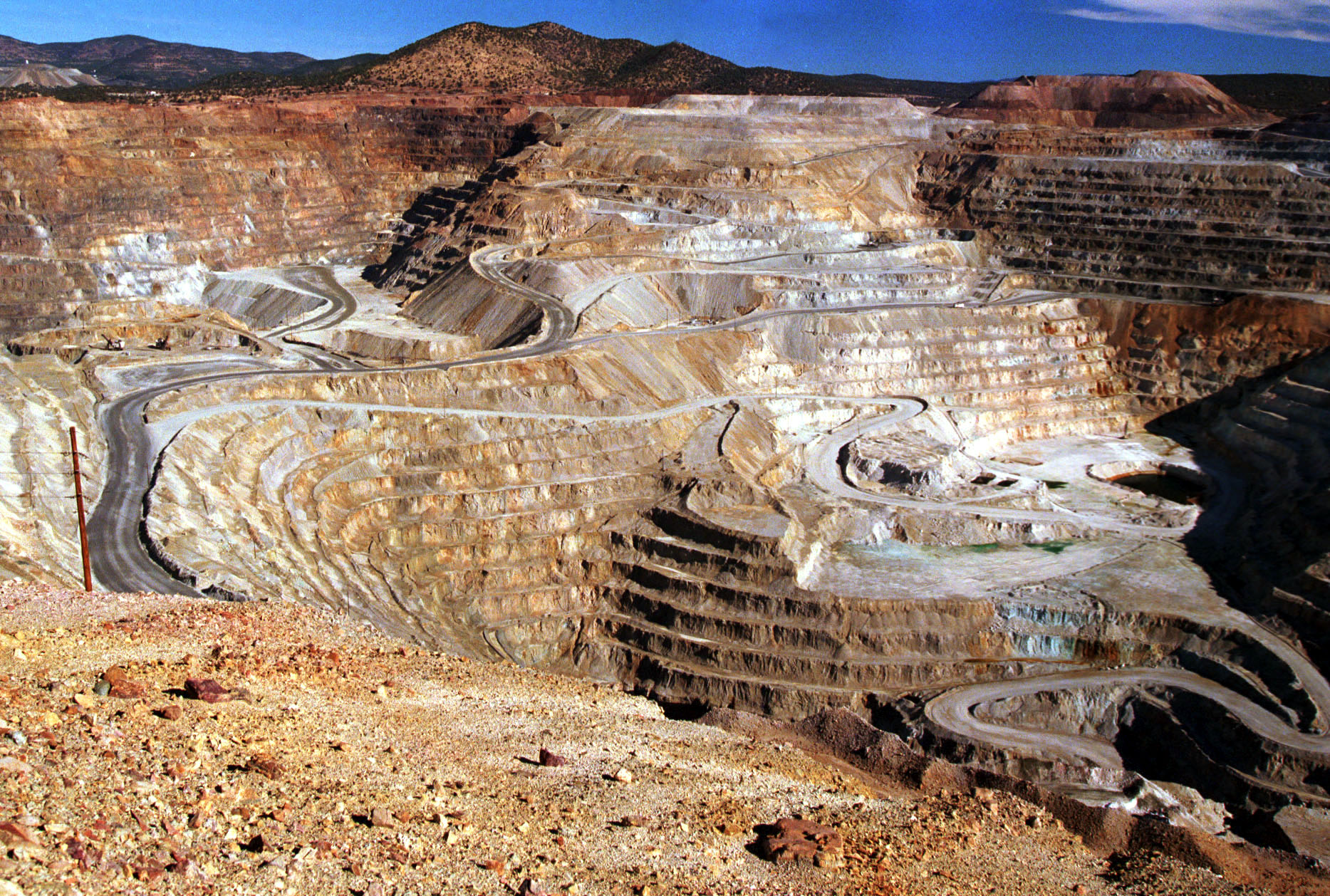
Australia is making a multi-billion dollar strategic push to become a global leader in the rare earths market, directly challenging China’s long-standing dominance. This ambitious initiative is a response to the geopolitical vulnerabilities exposed by Beijing’s near-monopoly on the supply of these critical minerals. The plan involves significant investment in mining, processing, and manufacturing capabilities, aiming to build a complete, independent supply chain within Australian borders. This is not just an economic venture; it’s a strategic move to secure the supply of materials essential for modern technology and defense, a step that could reshape global power dynamics.
The rare earth elements industry is largely dominated by China, which handles more than 80% of global production. This dominance grants Beijing substantial influence in global diplomacy, as these minerals are essential ingredients in numerous advanced technology items, such as electric cars, wind turbines, mobile phones, and military equipment. The centralization of this supply in one nation has sparked significant worries among Western countries regarding possible interruptions in supply and economic pressure. Australia’s proposal aims to tackle this weakness by establishing a dependable and secure alternative supply for the international market.
Australia’s strength in this competition is its extensive natural resources. The nation holds some of the biggest discovered rare earth deposits beyond China’s borders. The updated approach involves not only mining these materials but also building the ability to convert them into complete products. This is an essential phase, since China’s leadership is founded not only on extraction but also on its sophisticated processing plants. Australia’s commitment to this sector is a vital component of its intention to vie internationally. It’s a comprehensive approach, from extraction to production, crafted to establish a self-reliant sector.
The Australian government has allocated more than a billion dollars to this initiative, directing resources towards research, infrastructure, and commercial collaborations. This allocation aims to invigorate the sector and offer a competitive advantage over China’s established infrastructure. The funds are being employed to assist local businesses in establishing new mines and processing facilities, as well as to develop a skilled workforce capable of functioning in this niche field. This is a long-term commitment, with the objective of building a sustainable industry that endures for generations.
The global geopolitical landscape is a major factor driving this initiative. As tensions between China and Western nations have risen, the importance of securing critical supply chains has become a top priority. The United States and its allies are actively seeking to diversify their sources of rare earths to reduce their reliance on China. Australia, as a stable and democratic partner, is perfectly positioned to become a key player in this new supply network. This collaboration with international partners is a vital part of Australia’s strategy, as it provides a ready market for its rare earth products.
The environmental impact of rare earths mining and processing is a significant concern, and Australia’s plan includes a strong focus on sustainable and ethical practices. The Chinese rare earths industry has been criticized for its environmental record, with many mines leaving behind a legacy of pollution and contamination. Australia’s goal is to create a “cleaner” supply chain, using advanced technologies to minimize waste and reduce the environmental footprint. This commitment to sustainability is not only an ethical choice but a strategic one, as it provides a key selling point to environmentally conscious international buyers.
The upcoming task for Australia is formidable. It needs to contend with China’s developed infrastructure and reduced expenses while addressing technical challenges and regulatory issues. The rare earths sector is a very specialized and intricate area, and establishing an industry from scratch will need a combined effort from the government, industry, and the scientific community. Nevertheless, the possible benefits are significant, both economically and in terms of national security. The achievement of this project could alter the global power dynamics, leading to a more varied and robust world economy.
Australia’s billion-dollar bid to challenge China’s rare earths dominance is a bold and necessary move. It is a strategic effort to secure a vital supply chain, bolster national security, and create a new engine of economic growth. The plan is comprehensive, focusing on everything from mining to processing and sustainable practices. While the challenges are significant, the potential for success is high, with Australia’s natural resources and democratic stability providing a strong foundation. This initiative is a testament to the country’s vision and its determination to play a leading role in the future of the global economy.

.jpg "How to Set Up an Offshore Company in Panama")
.jpg "Panama Pensionado Visa Requirements 2026")