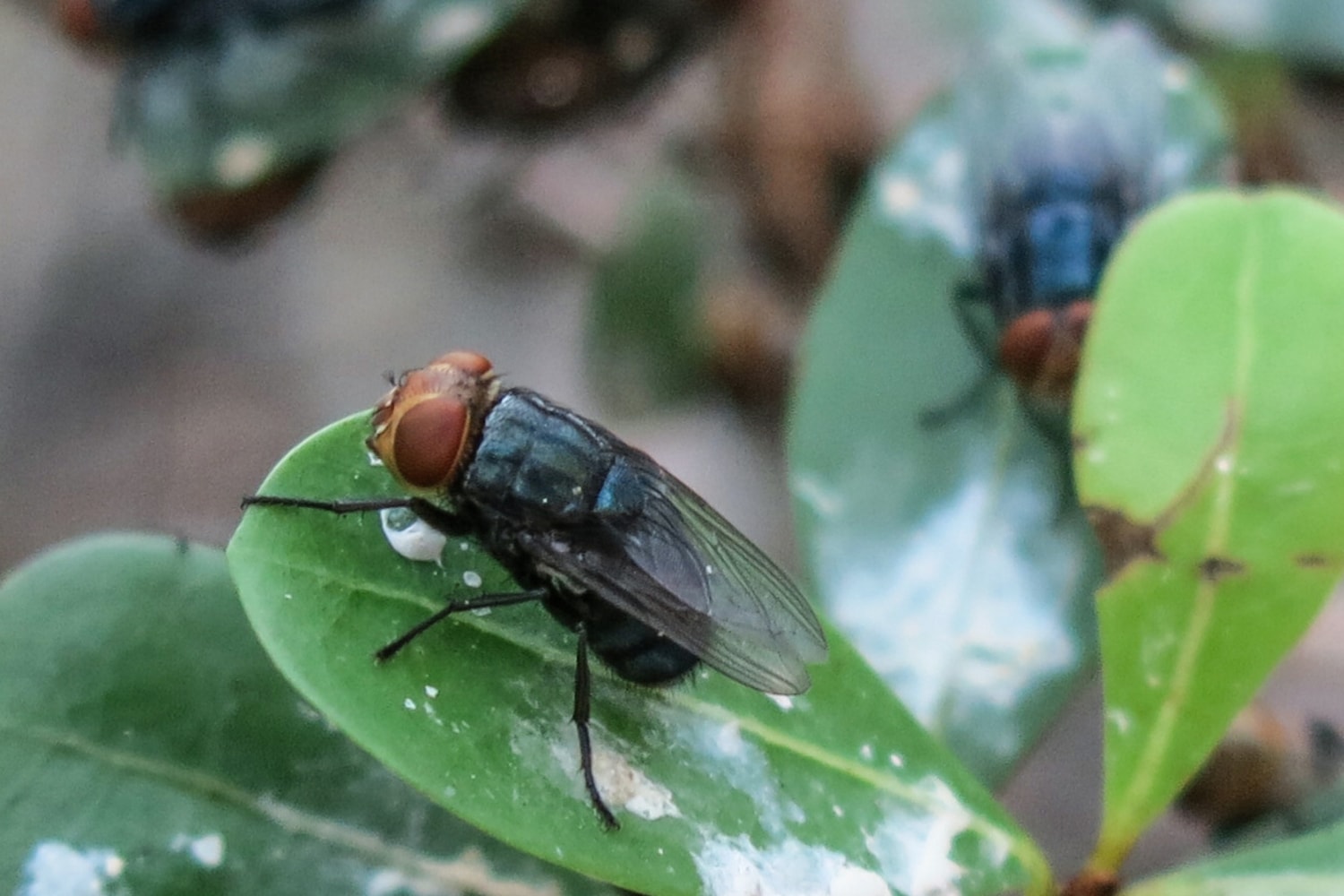
In a novel strategy for safeguarding agriculture, the United States plans to cultivate and distribute millions of sterile flies across specified regions via aerial deployment. Although it might seem atypical, this meticulously organized initiative is based on years of scientific inquiry and pest control methods designed to defend American agriculture against destructive invasive species.
The target of this effort is the screwworm fly, a parasitic insect known for causing severe harm to livestock. Screwworm larvae feed on the living tissue of warm-blooded animals, leading to serious wounds, infections, and even death if left untreated. The economic and ecological consequences of a screwworm outbreak can be catastrophic, making proactive control essential for regions reliant on cattle, sheep, and other livestock.
The method being used is known as the Sterile Insect Technique (SIT), a pest control strategy that involves breeding large numbers of the target insect in specialized facilities, sterilizing them—usually through irradiation—and then releasing them into the wild. Because the sterilized flies cannot produce offspring, repeated releases cause the overall population to decline over time. It’s an environmentally friendly, non-chemical approach that has been successfully used to combat several insect pests worldwide.
The idea originated in the middle of the 20th century and achieved significant success in eliminating screwworms from the United States, Mexico, and a large part of Central America. This method is also applied to combat other pests like the Mediterranean fruit fly and tsetse fly. By introducing large quantities of sterile males, officials are able to reduce pest numbers without the environmental dangers linked to extensive pesticide application.
The existing strategy in the U.S. entails deploying these sterilized flies from the air when there are signs of screwworm infestations or as a precaution in regions considered to be at elevated risk. Aircraft with tailored release mechanisms distribute the flies across large areas, enabling them to assimilate into native populations and interrupt the reproductive cycles.
Esta estrategia es especialmente relevante en el sur de los Estados Unidos, donde los climas cálidos favorecen la expansión de la mosca barrenadora. Los ganaderos en estados como Texas, Florida y Nuevo México están interesados en preservar la condición de libre de mosca barrenadora para prevenir pérdidas que pueden alcanzar millones de dólares. Un brote no controlado también podría afectar a la fauna silvestre, ya que el parásito no hace distinción entre animales domésticos y salvajes.
Beyond the economic implications, the humane treatment of animals is another driving factor. Screwworm infestations cause immense suffering, and by preventing outbreaks, authorities aim to spare animals from this painful condition. Early detection combined with rapid response—including sterile fly releases—forms the cornerstone of this multi-layered defense system.
The logistics of breeding and releasing millions of sterile flies are complex. The U.S. Department of Agriculture (USDA) operates sophisticated facilities where the flies are bred and sterilized under controlled conditions. These centers use irradiation techniques that ensure the flies remain sexually competitive but incapable of producing viable offspring.
The timing and accuracy are vital to the effectiveness of these operations. Releases need to be frequent and concentrated enough to surpass the natural populations. Disbursement by aircraft enables coverage of extensive areas quickly, particularly in regions that are challenging to reach by land.
Gaining public awareness and backing is crucial for sustaining this initiative. Although the notion of releasing flies might cause some hesitation, it’s imperative to convey that the insects employed are harmless to people and neither bite nor spread diseases. Their release aims to outcompete wild screwworms, rather than generate additional issues.
The environmental benefits of SIT cannot be understated. Unlike chemical insecticides, which can harm non-target species, pollute water sources, and contribute to pesticide resistance, sterile insect releases target only the intended species. This makes SIT a key component of integrated pest management, a sustainable approach that combines biological, cultural, and chemical tools to minimize environmental impact.
As climate change alters ecosystems and extends the geographic range of various pests, the risk of screwworm reintroduction to previously unaffected areas increases. Maintaining a robust sterile fly program ensures readiness to respond to any emerging threats. It’s a proactive defense that aligns with broader environmental goals while safeguarding agricultural productivity.
Historically, the screwworm eradication program has been celebrated as one of the most successful examples of cooperative pest control. Initiated in the 1950s, the original program led to the complete elimination of screwworms from the U.S. by the early 1980s. The collaborative effort between governments, scientists, and agricultural stakeholders provided a model that has since been adapted in other parts of the world.
The ongoing necessity of the program is a reminder that eradication is not the same as permanent elimination. Vigilance is required to prevent re-infestation, especially in a globalized world where the movement of people, animals, and goods can inadvertently reintroduce pests.
In the last few years, advancements in technology have boosted the effectiveness of programs dealing with sterile insects. Enhanced methods for sterilization, genetic innovations, and more accurate delivery mechanisms have increasingly positioned SIT as a practical substitute for conventional pest management. Additionally, some researchers are investigating gene-editing technologies as either an additional or alternative option, although these methods bring their own set of regulatory and ethical issues.
The decision to use aerial releases reflects both the scale of the challenge and the effectiveness of this strategy in protecting the nation’s agricultural backbone. In areas where an outbreak could devastate entire industries, the cost of prevention through sterile insect release is considered an investment in long-term stability.
For livestock owners and the broader agricultural community, the reassurance that comes with such preventative measures is invaluable. It allows producers to focus on growth and innovation without the looming threat of catastrophic pest damage.
In the end, observing planes dispersing millions of sterile flies across U.S. terrains showcases human creativity in addressing environmental issues. This signifies a well-considered method blending scientific principles, ecological responsibility, and agricultural needs. As these methods develop, they keep providing promise for sustainable pest management solutions that support economies, ecosystems, and animal well-being alike.