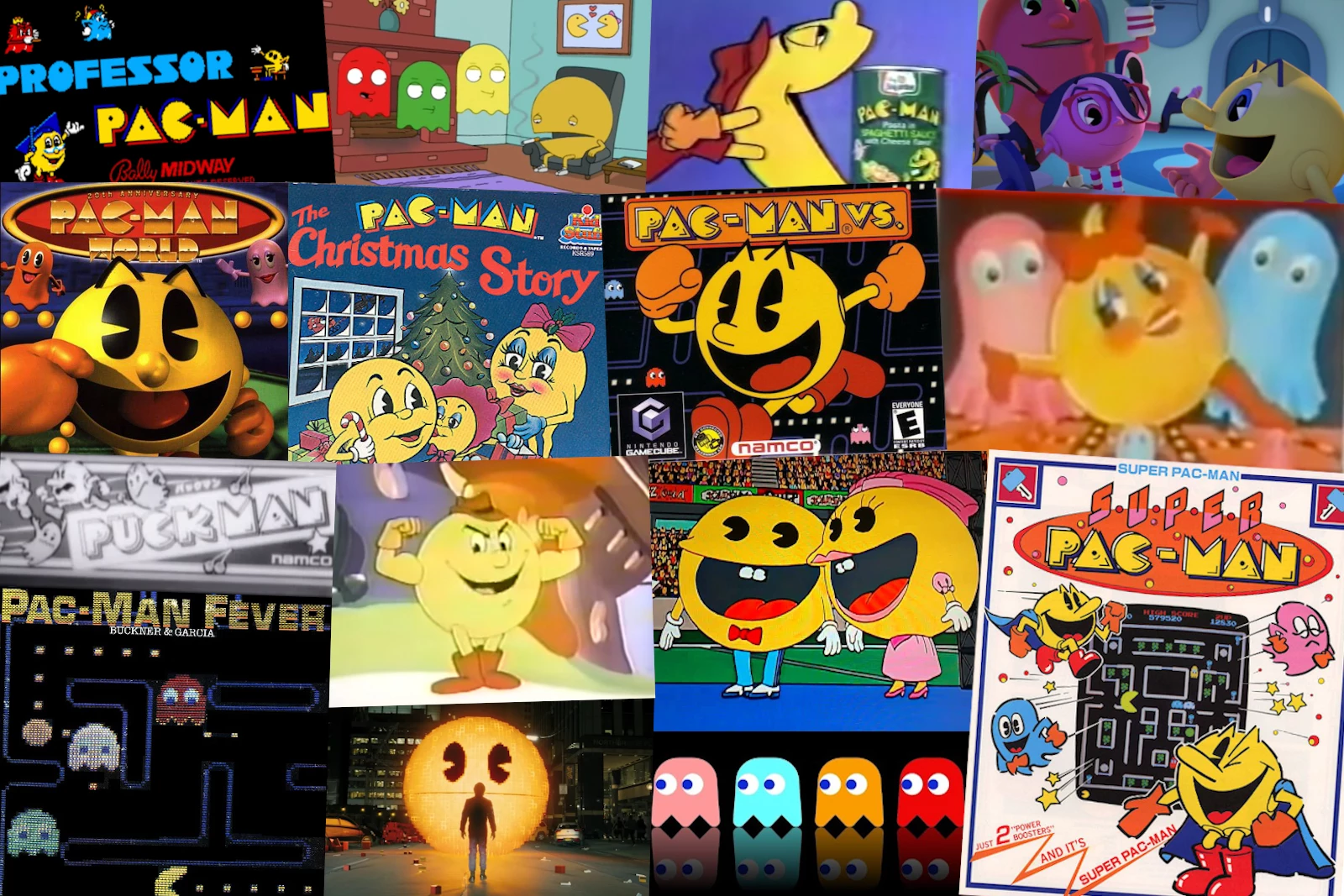
When Pac-Man first appeared in arcades in 1980, it introduced something entirely new to the world of gaming. At a time when most video games were focused on space battles and shooting mechanics, this quirky maze-chase game broke the mold. With its bright colors, simple premise, and unforgettable sound effects, Pac-Man became more than just a game — it evolved into a cultural phenomenon that left a lasting impact on entertainment, design, and technology.
Developed by Toru Iwatani and released by Namco, Pac-Man was initially intended to appeal to a wider audience — particularly women — in a male-dominated gaming environment. Rather than emphasizing aggression or combat, the game revolved around evading ghosts and collecting dots, introducing a lighter, more strategic form of gameplay. This fresh approach paid off. Arcades were soon buzzing with people of all ages, captivated by the charming yellow character and the relentless pursuit through mazes.
Pac-Man’s worldwide triumph was unmatched. In just one year after its debut, the game was bringing in millions of dollars and igniting widespread enthusiasm for arcade machines across the globe. It wasn’t solely the captivating gameplay that attracted individuals — it was the overall experience. The unique character design, memorable tune, and ghost adversaries (each with their own distinct behavior) made Pac-Man immediately identifiable, even beyond gaming communities.
What set Pac-Man apart was not just its commercial triumph, but its ability to create a legacy. It paved the way for character-driven games, influencing design and storytelling in future titles. Pac-Man became one of the first digital icons, appearing on merchandise, in television shows, and even inspiring music. This crossover appeal marked a turning point, proving that video games could be part of mainstream culture.
The game’s mechanics also brought in ideas that would later become essential in game design. The implementation of behaviors resembling AI in the ghosts was pioneering. Every ghost had its unique tactics, giving the game a lively and unexpected nature. Gamers could understand and adjust to these patterns, building abilities as they played, which contributed complexity to what seemed like a straightforward arcade game.
Beyond providing fun, Pac-Man’s impact reached further into fields like psychology, sociology, and advertising. The triumph of the game highlighted the potential for interactive media to connect with users emotionally and mentally. Moreover, it illustrated how choices in design — ranging from color palettes to audio elements — could significantly affect user interaction. Several concepts initially introduced through Pac-Man’s interface are currently examined in user experience (UX) studies and implemented on various digital channels.
Pac-Man didn’t just make video games more accessible — it also helped to validate them. During a time when gaming was perceived as a specialized interest, the wide-reaching popularity of Pac-Man contributed to normalizing the concept of playing games in communal areas. Families, pairs, and friends would gather around arcade machines, connecting over shared tactics and top scores. This communal aspect hinted at the future development of social gaming years later.
As technology evolved, so did Pac-Man. The character was reimagined in sequels, 3D adventures, and mobile apps. Despite these innovations, the original remains iconic. Its design has stood the test of time, and new generations continue to discover its charm. Whether played on a vintage arcade cabinet or a smartphone screen, the experience still resonates with players — offering a mix of nostalgia and challenge.
The brilliance of Pac-Man lies in its simplicity. It doesn’t rely on intricate storylines or realistic visuals, yet it still captivates players and promotes perseverance. This game symbolizes a time when the essence of gaming took center stage, where creativity was the benchmark of innovation, not just technological advancements. This ethos continues to motivate developers, artists, and entrepreneurs in various fields.
Over forty years since it first appeared, Pac-Man continues to leave a lasting mark. It played a crucial role in the growth of gaming as an international sector, influenced the design aesthetics of interactive experiences, and demonstrated that a game could transcend mere entertainment to become a cultural emblem. Originating in a Tokyo arcade, it now holds a position in museums and pop culture analyses, standing as an enduring symbol in the ever-evolving digital landscape.