Comprehending Maximalist Style
In the diverse landscape of fashion, one style stands out for its vibrant celebration of excess—maximalist fashion. This approach contradicts the understated elegance of minimalism by embracing layers, bold patterns, rich textures, and a plethora of accessories. As a stylistic choice, maximalism isn’t just about clothing; it reflects a broader cultural response to the complex, multifaceted lives we live in an increasingly interconnected world.
The Beginnings of Maximalism
Maximalism has roots deeply embedded in history, with influences traced back to various art movements like Baroque, Rococo, and even the more recent Pop Art. These art forms were characterized by their detailed intricacies, ornate designs, and vivid color palettes. Maximalist fashion draws inspiration from such aesthetics, transcending different periods and cultures to create looks that are as eclectic as they are expressive.
The concept of “maximalism” became recognized in the fashion industry back in the 1980s. This era was characterized by its extravagance and abundance, with influential designers such as Vivienne Westwood, Jean Paul Gaultier, and the late Alexander McQueen challenging conventions through dramatic and unconventional designs. Their work typically showcased exaggerated forms, multiple layers of fabric, and striking patterns, acting as a counter to the simple shapes of minimalist fashion.
Characteristics of Maximalist Fashion
Maximalist fashion stands out for its love of extravagance. These are some notable features:
Bold Colors and Patterns: Maximalist fashion often showcases a vibrant mix of colors. Designers are not afraid to blend hues that may traditionally clash, such as peacock blue with sunset orange. Similarly, patterns play a significant role, with florals, polka dots, stripes, and paisleys often juxtaposed in a single outfit.
Textural Diversity: A staple of maximalist fashion is the use of diverse fabrics and textures. Silk might meet leather, or sequins might pair with denim, creating a tactile feast for the senses.
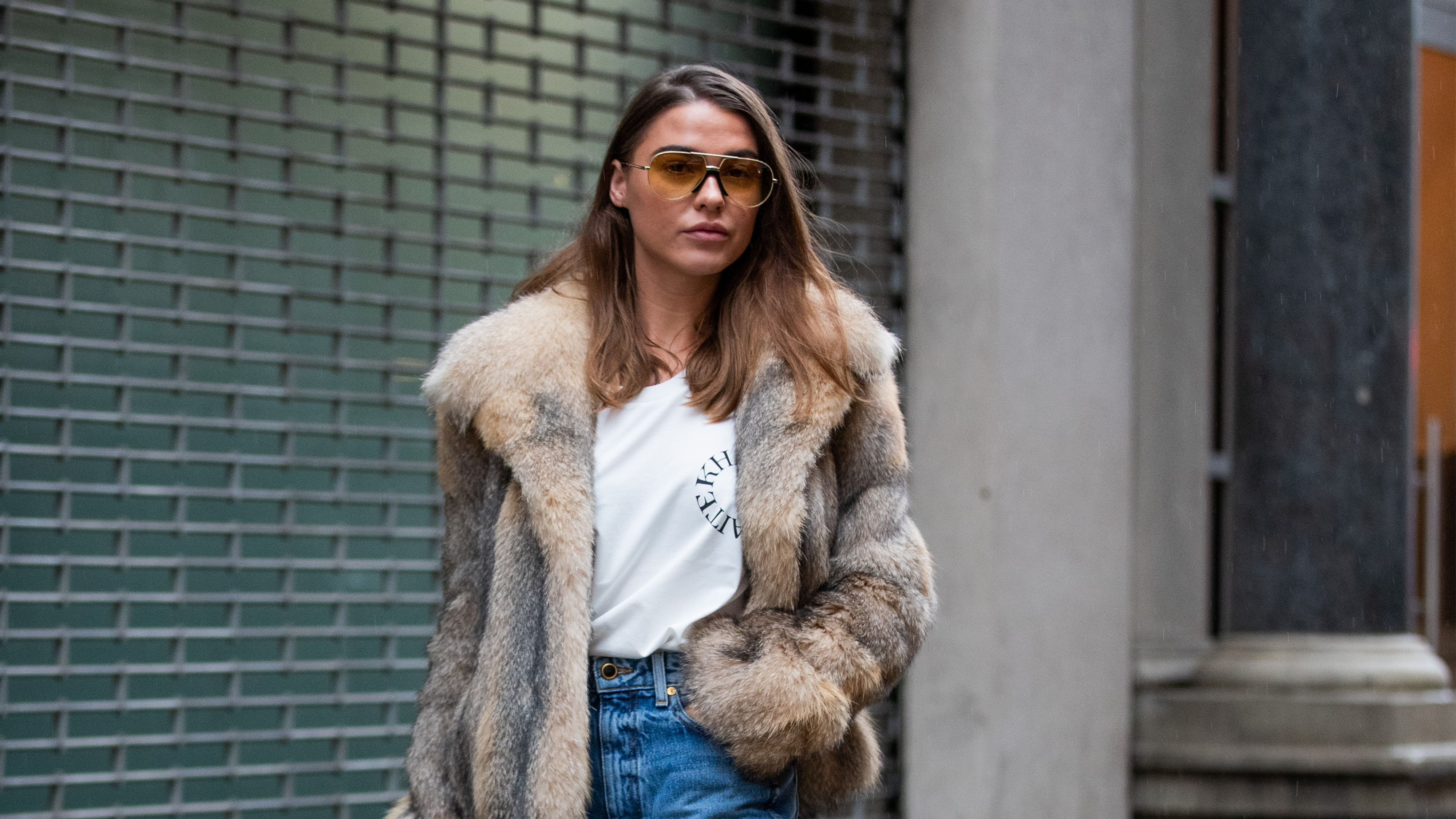
Layering: Stacking clothing is a fundamental method for achieving depth and dimension. This could involve combining various clothes like coats over gowns, with scarves and hats added to introduce an extra layer of style.
Bold Accessories: In maximalist fashion, accessories play a crucial role. Large jewelry, thick belts, oversized hats, and striking footwear all enhance the outfit’s splendor.
The Cultural Resonance of Maximalism
Maximalism in clothing has a notable sociocultural influence, acting as both a personal and political declaration. It enables people to showcase their identity, background, and character freely. As global trends toward diversity and individuality expand, maximalism has emerged as a way for people to challenge traditional standards and embrace distinctiveness.
In the realm of popular culture, legendary maximalists such as Elton John and Beyoncé have utilized fashion as a mode of self-expression, crafting unforgettable appearances that echo far past the catwalk or performance venues. TV series like “Killing Eve” have also contributed to the rise of maximalist fashion, showcasing outfits that are as intricately layered and lively as the personalities they adorn.
The Future of Maximalist Fashion
As digital media continues to influence fashion, maximalism is embracing technology to create even more intricate and personalized ensembles. Augmented reality allows designers to add virtual layers to clothing, enhancing the viewer’s experience and offering unlimited possibilities in design and presentation.
As society shifts towards inclusivity and sustainability, maximalism finds itself adapting. Designers experiment with environmentally friendly fabrics and ethical production methods, proving that even the most lavish styles can evolve responsibly.
Ultimately, maximalist fashion is a vivid celebration of abundance in every form—color, texture, shape, and meaning. It thrives on creativity and invites fashion enthusiasts to embrace individuality with unapologetic flair. Through its layered complexity, maximalist fashion invites us to view the world as a bold tapestry of endless possibilities, encouraging self-expression and exploration amid a sea of sartorial choices.