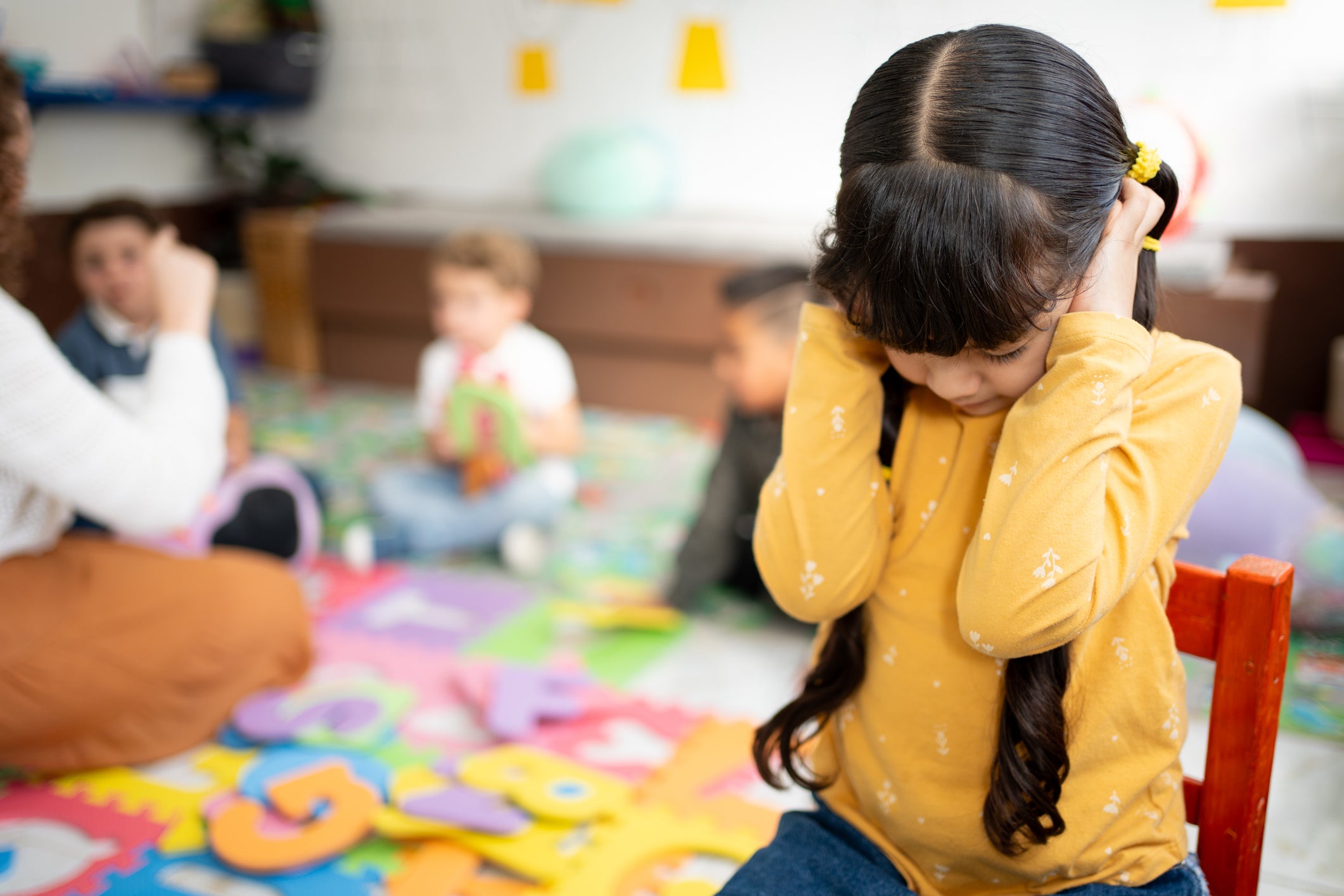
Autism spectrum disorder is being identified with greater frequency, as a growing number of children are diagnosed annually; however, this trend indicates enhanced recognition rather than a reason for concern. To comprehend autism fully, one must acknowledge both the difficulties it presents and the distinct viewpoints autistic people contribute to our communities.
A closer look at autism prevalence
Fresh statistics from the Centers for Disease Control and Prevention (CDC) reveal that one in every 31 American children receives an autism spectrum disorder (ASD) diagnosis by their eighth birthday, a notable jump from the 2023 figure of one in 36. This consistent upward trend in diagnoses signifies not only enhanced understanding and diagnostic methodologies but also a wider societal acceptance of neurodiversity. As both a researcher and someone personally diagnosed with Asperger’s syndrome, I have directly observed the convergence of these figures with individual journeys and communal viewpoints.
Autism spectrum disorder affects individuals differently, typically influencing social communication, interaction, and behavior patterns. Decades ago, autism was considered rare, with estimates as low as 1 in 500 children. However, early studies in the late 1990s, such as those conducted in New Jersey, revealed higher prevalence rates, closer to 1 in 150 children. The establishment of the Autism and Developmental Disabilities Monitoring Network by the CDC in 2000 allowed for nationwide tracking, confirming that autism was far more common than previously believed.
Geographical and population characteristics impact the rates of occurrence. For example, California indicates roughly 1 in 19 children are affected by autism, while Texas shows a range from 1 in 51 to 1 in 103. In Arizona, the incidence closely matches the national average, standing at approximately 1 in 32. Although males continue to receive diagnoses more often than females, the disparity between genders has decreased, indicating a better understanding of how autism presents uniquely in each sex.
From initial diagnosis to community integration
The rise in autism diagnoses should not be interpreted solely as a negative trend. Many children with autism participate fully in school, sports, and social activities, with research indicating that a majority aspire to attend college and lead productive lives. These outcomes highlight the importance of understanding autism not merely as a set of challenges but as a spectrum of diverse capabilities and potential.
Changes in diagnostic criteria have expanded the definition of autism, allowing for earlier and more accurate identification across a wider range of behaviors. Additionally, increasing societal acceptance has created an environment where autistic individuals are more visible and included, both in media representation and in everyday community life. Characters with autism often serve as protagonists in film and television, providing audiences with relatable and empowering portrayals that challenge outdated stereotypes.
The worth of neurodivergent viewpoints
Autistic individuals contribute unique insights and skills that enrich workplaces, communities, and creative endeavors. The ability to notice patterns, think innovatively, and approach problems from alternative angles has been a hallmark of many successful professionals with autism. For example, Temple Grandin’s autism informed her pioneering work in animal behavior, while Dan Aykroyd credits his Asperger’s syndrome with inspiring creative projects such as the film “Ghostbusters.” These examples underscore that neurodiversity can drive both cultural and scientific contributions.
Acknowledging these advantages additionally guides policy formulation and urban development. Initiatives crafted to cater to varied requirements—like adaptable employment schedules, specialized academic assistance, and focused career development—empower autistic people to flourish in occupational and social contexts. Municipalities that secure autism accreditation demonstrate how local government efforts can foster sensory-aware, welcoming surroundings, guaranteeing wider availability of medical services, schooling, and leisure pursuits. Mesa, Arizona, for example, obtained this recognition in 2019, acting as an exemplar for other cities striving to assist their autistic inhabitants.
Building inclusive communities
The growing awareness of autism presents a chance to transform public perceptions and foundational structures. Educational frameworks need to evolve to support an increasing population of students with developmental variations, integrating specific training for educators and customized classroom adjustments. Similarly, healthcare professionals can adopt methods that address the requirements of autistic individuals, focusing on dialogue, empathy, and personalized treatment.
Workplace inclusion is another critical area. Programs that hire, train, and retain workers with disabilities, along with accommodations such as remote work, contribute to economic empowerment and community participation. By addressing the full spectrum of needs—from education to employment to independent living—society can cultivate environments where autistic individuals can succeed alongside their neurotypical peers.
Shifting perspectives on autism
Ultimately, the growing incidence of autism signifies more than just a statistical pattern; it mirrors heightened recognition, comprehension, and embrace. Autistic people, with their unique cognitive styles, provide significant contributions that enrich societies and question traditional methods of addressing issues. Perceiving autism from this perspective fosters a more welcoming and vibrant community, where variations are honored instead of being disparaged.
As children diagnosed with autism today grow into adults, it is imperative for policymakers, educators, employers, and community leaders to continue building structures that support lifelong engagement and success. The growing visibility and acknowledgment of autism invite society to harness the strengths of neurodiverse populations, ensuring that everyone has the opportunity to participate meaningfully in all aspects of life. By fostering acceptance and accommodating differences, we can create vibrant, inclusive communities where every individual’s potential is recognized and valued.
The developing comprehension of autism—its difficulties, strengths, and social ramifications—illustrates that neurodiversity is not a cause for apprehension but a potent driver for creativity, compassion, and communal advancement. Acknowledging the input of autistic people is crucial for constructing a world where every viewpoint can thrive.