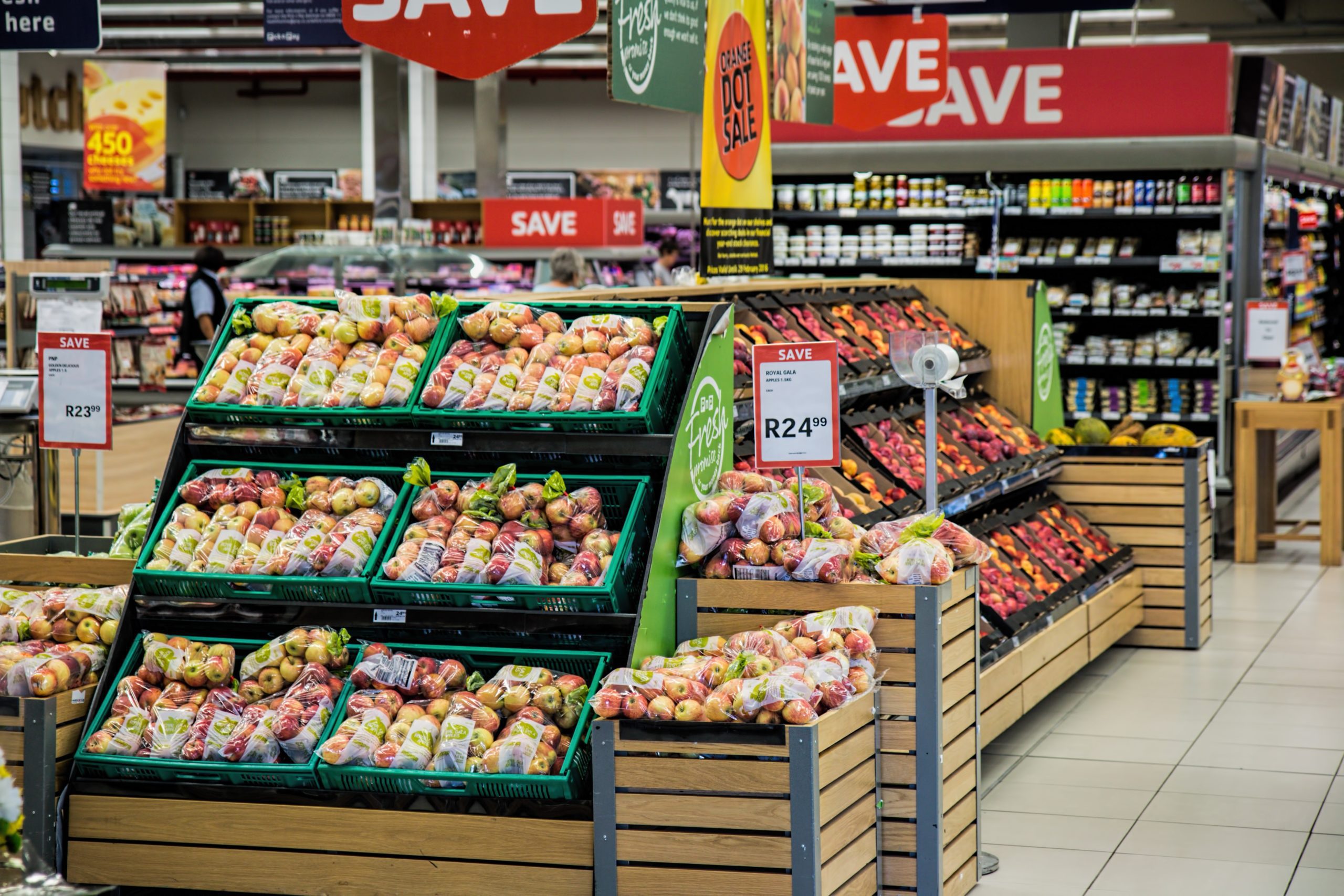
Recent tariff announcements are likely to impact the cost of several everyday goods in the United States, potentially placing greater financial pressure on households. As new trade policies take shape, their effects are beginning to ripple through various sectors, from household appliances to the automotive industry. Though these measures aim to bolster domestic production, they may come with a price tag for American consumers.
One of the key changes stems from the reimplementation or increase of tariffs on goods imported from certain countries, particularly China. These tariffs are designed to protect U.S. industries by making imported goods more expensive, thereby encouraging consumers and businesses to buy domestically produced alternatives. However, this also means that some products Americans rely on may see notable price increases.
Prices for consumer electronics expected to increase
Gadgets like smartphones, laptops, and tablets might see a price hike as a result of tariffs on components and finished electronics imported from abroad. Although leading manufacturers might try to bear some of the additional expenses or adjust their supply chains, the rise in production and sourcing costs usually leads to higher prices at retail.
Cars and vehicle components facing challenges
The auto industry is another area expected to feel the impact. Tariffs on imported car parts or assembled vehicles may drive up manufacturing costs for both domestic and foreign brands operating in the U.S. As a result, buyers could see higher sticker prices on new cars or increased costs for repairs and maintenance due to pricier replacement parts.
Solar modules and devices for clean energy impacted
Initiatives to enhance the production of clean energy within the country have introduced new tariffs on solar panels and technology made abroad. This may slow down the adoption of renewable energy solutions as it increases the installation expenses for both residential and commercial consumers. While the goal is to aid American producers, the immediate consequence might be a decrease in the affordability of green energy alternatives.
Common household items not exempt
From washing machines to kitchen appliances and furniture, various household items may also become costlier. These products often rely on global supply chains and components sourced from regions now subject to higher duties. The result: manufacturers pass on the increased costs to consumers, making routine purchases more expensive.
Clothing and footwear prices may climb
The fashion industry is bracing for potential increases in tariffs on textiles and footwear. Since a significant portion of these goods is manufactured abroad, higher import duties could affect retailers’ pricing strategies. For shoppers, this could mean paying more for apparel and shoes at a time when inflation has already stretched budgets.
Potential downstream effects on food prices
While not immediately evident, food-related sectors could also experience secondary effects from tariffs. If the cost of farm equipment, packaging materials, or transportation rises due to trade measures, it could eventually lead to increased grocery bills. Additionally, retaliatory tariffs from trade partners may affect American exports, disrupting agricultural supply chains and creating price instability.
The wider economic landscape
Proponents of the new tariffs argue that they are necessary to reduce reliance on foreign manufacturing and strengthen national security. They also believe these measures will stimulate investment in domestic industries. However, critics caution that such strategies often have unintended consequences, particularly when global supply chains are deeply interconnected.
Tariffs are a type of tax that influences not just the importers but also companies and consumers nationwide. In the immediate term, they might lead to inflation, particularly in industries with limited local options. For consumers, this could involve needing to extend household finances more to maintain the same living standards.
Consumer response and adaptation
As they expect rising prices, some buyers might change their spending behaviors, selecting used products, postponing their purchases, or picking cheaper alternatives. Stores might likewise modify their stock, acquiring goods from different nations not impacted by the tariffs. Nonetheless, these adjustments require time and may not always be enough to counterbalance the economic impact.
It is yet to be determined if the anticipated prolonged advantages of these trade strategies will be realized. What is evident is that shortly, families in the United States might face increased expenses in various areas of everyday living, from essential goods to significant acquisitions. While the overarching aim is to establish a more durable and independent economy, the current situation for numerous individuals is expected to involve more stringent financial limitations.
As trade dynamics evolve, staying informed on how policy shifts affect personal finances will be crucial. Understanding the ripple effects of tariffs helps individuals and businesses make better decisions about spending, investing, and planning for the future.