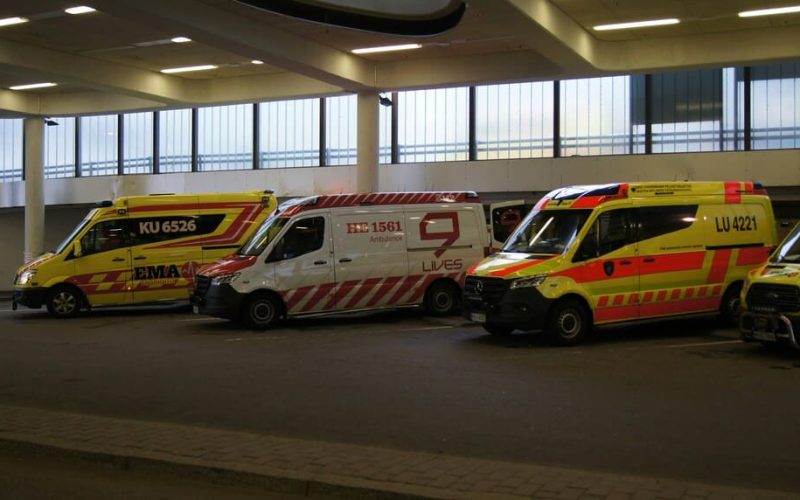
In the realm of emergency services, expediting the response time to patients is of utmost importance. Coordinate ambulance routes within Florida must pinpoint the most effective methods for route distribution to guarantee quick access to the residences of those requiring urgent care. By adopting optimal practices, the delivery of care can be made more efficient, decreasing the chance of errors and cutting down on superfluous transportation expenses.
Practical Advice for Enhancing Ambulance Efficiency
To successfully coordinate ambulance paths and guarantee prompt patient service, consider adhering to these suggestions:
- Take geographic distances into account: Ambulances need to be close to emergency locations. If they’re positioned too far, there’s a risk of delays due to traffic and other road issues.
- Maintain constant communication: Notifications from the ambulance server can keep both the patient and the medical team informed during the journey, providing updates on service status, travel time, and vehicle allocation.
- Manage transportation efficiently: It’s vital to routinely maintain the vehicle fleet to prevent any problems when responding to emergencies.
- Produce detailed reports: Examining trip data facilitates the creation of reports that evaluate the organization’s performance and pinpoint areas that need improvement.
- Implement transportation management software: These applications automate repetitive processes using sophisticated algorithms, enhancing efficiency. They aid in swift route planning, vehicle tracking, and smooth internal and external communication.
The Advantages of Employing a Transport Management System for Ambulances
A transport management system is essential for any healthcare entity overseeing operations. This software can incorporate mapping tools to determine the most efficient routes. Moreover, it facilitates real-time alerts and updates to monitor the condition of patients requiring assistance. Some principal advantages of using this technology are:
- Route allocation: Last-mile software efficiently assigns ambulances based on urgency and proximity. Its algorithms assign vehicles to the nearest residences, ensuring no time is wasted.
- Live tracking: The system allows each vehicle’s current location in the fleet to be tracked, a valuable feature for operators needing to adjust routes due to unexpected issues such as traffic congestion, weather changes, or road incidents.
- Cost savings: By optimizing ambulance management, time spent on lengthy routes is minimized, helping to avoid unnecessary expenses like additional fuel costs.
- Integrated alerts: Last-mile software can offer customizable notifications through WhatsApp and email for both patients and team members.
- Order entry and data management: Medical orders can be input into the transport management software across different operating platforms, containing all the details about ambulance duties. This allows for the creation of reports to evaluate the organization’s strengths and weaknesses in handling emergencies.
Delego: Leading Software for Ambulance Management
Leveraging automated algorithms, Delego software stands as an essential resource for healthcare facilities and organizations in Florida managing emergency responses. It guarantees each patient receives the nearest ambulance for quick medical attention. Furthermore, the platform synchronizes with Waze to deliver the most efficient routes, enhancing travel productivity.
Delego ranks as one of the most sophisticated and all-encompassing software solutions, offering substantial assistance for home emergency medical services. To learn more, visit their webpage and check out their free demo.

.jpg "How to Set Up an Offshore Company in Panama")
.jpg "Panama Pensionado Visa Requirements 2026")