

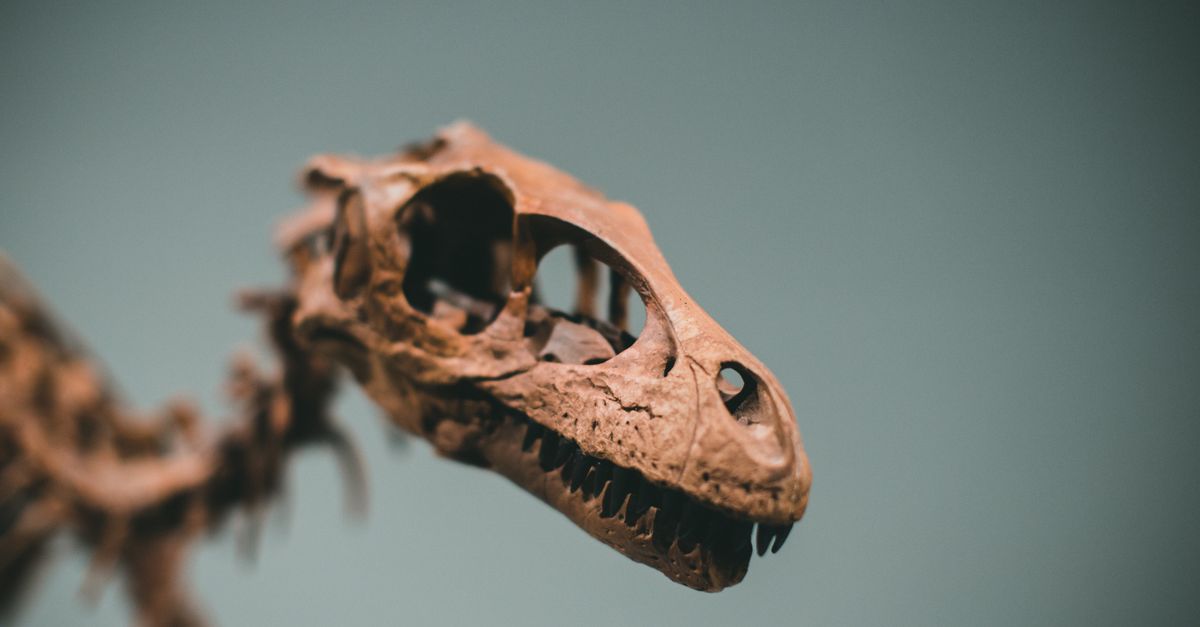
The 8 Paleontological Discoveries That Made the U.S. a Global Leader in Fossil Science
Modern paleontology has been profoundly shaped by the United States. Spanning from the extensive fossil deposits of the American West to pioneering museum investigations within large urban centers, nationwide findings have reshaped our scientific comprehension of prehistoric ecosystems, extinction events, and evolutionary history. Eight remarkable discoveries have not only rewritten academic curricula but have also established the United States as an international leader in the field of fossil research.
1. Tyrannosaurus rex (Montana, 1902)
Discovered by Barnum Brown in the Hell Creek Formation of Montana, Tyrannosaurus rex quickly became the most iconic dinosaur ever found. Measuring up to 40 feet long and weighing nearly 9 tons, it provided unprecedented insight into apex predators of the Late Cretaceous period.
The discovery advanced scientific debates about:
- Bite force and predatory behavior
- Dinosaur metabolism and growth rates
- The evolutionary relationship between theropods and birds
American museums, particularly the American Museum of Natural History, turned T. rex into both a scientific and cultural symbol, attracting global research collaborations.
2. The Bone Wars Fossil Rush (Colorado, Wyoming, Nebraska)
The late 19th-century rivalry between paleontologists Othniel Charles Marsh and Edward Drinker Cope sparked one of the most prolific fossil-hunting eras in history. Famously termed the Bone Wars, this period ultimately led to the identification of upwards of 140 novel dinosaur species.
Key discoveries included:
- Stegosaurus
- Allosaurus
- Diplodocus
Aunque marcada por conflictos personales, esta intensa competencia aceleró los métodos de recolección de fósiles y cimentó el Oeste americano como una de las regiones con más dinosaurios en la Tierra.
3. The La Brea Tar Pits (California)
Located in Los Angeles, the La Brea Tar Pits represent one of the world’s most significant Ice Age fossil sites. Tens of thousands of specimens have been recovered, including saber-toothed cats, dire wolves, and Columbian mammoths.
Unlike isolated finds, La Brea preserves entire ecosystems. The site has enabled researchers to reconstruct:
- Predator-prey dynamics during the Pleistocene
- Climate shifts at the end of the last Ice Age
- Extinction patterns linked to human arrival
Its metropolitan setting furthermore brought paleontology within reach of everyday citizens, merging academic study with public outreach on a scale never seen before.
4. Archaeopteryx Connections and the American Bird-Dinosaur Link
While Archaeopteryx was first discovered in Europe, American fossil beds in states such as Montana and Utah uncovered feathered theropods that strengthened the evolutionary link between dinosaurs and birds.
Specimens like Deinonychus, described by John Ostrom in the 1960s, revolutionized thinking about dinosaurs as active, warm-blooded creatures. This discovery triggered the so-called “Dinosaur Renaissance,” much of which was led by American institutions.
The implications reshaped evolutionary biology, influencing everything from biomechanics to modern avian studies.
5. The Burgess Shale Comparisons and the Wheeler Formation (Utah)
Although the Burgess Shale of Canada is renowned for its Cambrian fossils, Utah’s Wheeler Formation yielded remarkably preserved soft-bodied specimens that enhanced comprehension regarding early animal evolution.
These fossils revealed:
- Complex marine ecosystems dating back more than 500 million years
- Early arthropods alongside trilobite relatives
- Surprising anatomical experimentation observed in early life forms
American-led analyses of these formations advanced imaging techniques and evolutionary modeling.
6. Sue the T. rex (South Dakota, 1990)
Uncovered by Sue Hendrickson, “Sue” stands out as one of the largest and most intact Tyrannosaurus rex fossils ever unearthed. With a completeness rate exceeding 90 percent, the specimen yielded comprehensive insights concerning bone pathology, growth rings, and potential injuries.
Research on Sue revealed:
- Signs of mended fractures and past infections
- Clues regarding dinosaur longevity and maturation
- Cutting-edge computed tomography techniques applied in paleontology
Currently preserved at the Field Museum in Chicago, Sue serves as a prime example of how modern technology blends seamlessly with traditional fossil research.
7. The Morrison Formation (Western United States)
Spanning several states, the Morrison Formation is among the richest Jurassic fossil deposits in the world. It has yielded iconic dinosaurs such as Brachiosaurus, Apatosaurus, and Ceratosaurus.
What makes the Morrison unique is its sheer size and geological definition. Experts have utilized it to:
- Chart long-term Jurassic climatic cycles
- Investigate the gigantism of herbivores
- Analyze predator-to-prey proportions across ancient floodplains
Its extensive stratigraphy has made it a training ground for generations of American paleontologists.
8. The Hell Creek Formation and the K–Pg Extinction Evidence
The Hell Creek Formation in Montana and North Dakota contains crucial evidence of the mass extinction that ended the age of dinosaurs 66 million years ago.
American scientists studying this formation contributed to:
- Identifying the iridium layer linked to an asteroid impact
- Understanding rapid ecological collapse
- Documenting survival patterns among early mammals
Fossils recovered from Hell Creek offer a clear before-and-after perspective on existence during one of the planet’s most striking ecological transitions.
The Broader Impact on Science and Culture
Beyond populating museum galleries, these findings reshaped evolutionary models, enhanced geological dating methodologies, and sparked cross-disciplinary studies across climatology, biology, and planetary science. Substantial investments were funneled by the United States into natural history institutions, academic initiatives, and federally protected lands, thereby guaranteeing enduring access to fossiliferous regions.
Public fascination also fueled funding and education. Major exhibitions attract millions of visitors annually, while academic programs draw international scholars seeking access to unparalleled collections.
Taken together, these eight discoveries illustrate how geography, scientific ambition, institutional support, and public engagement converged to elevate the United States to the forefront of paleontology. The fossils unearthed across its landscapes not only reveal ancient worlds but also reflect a modern nation’s commitment to uncovering Earth’s deepest history.


