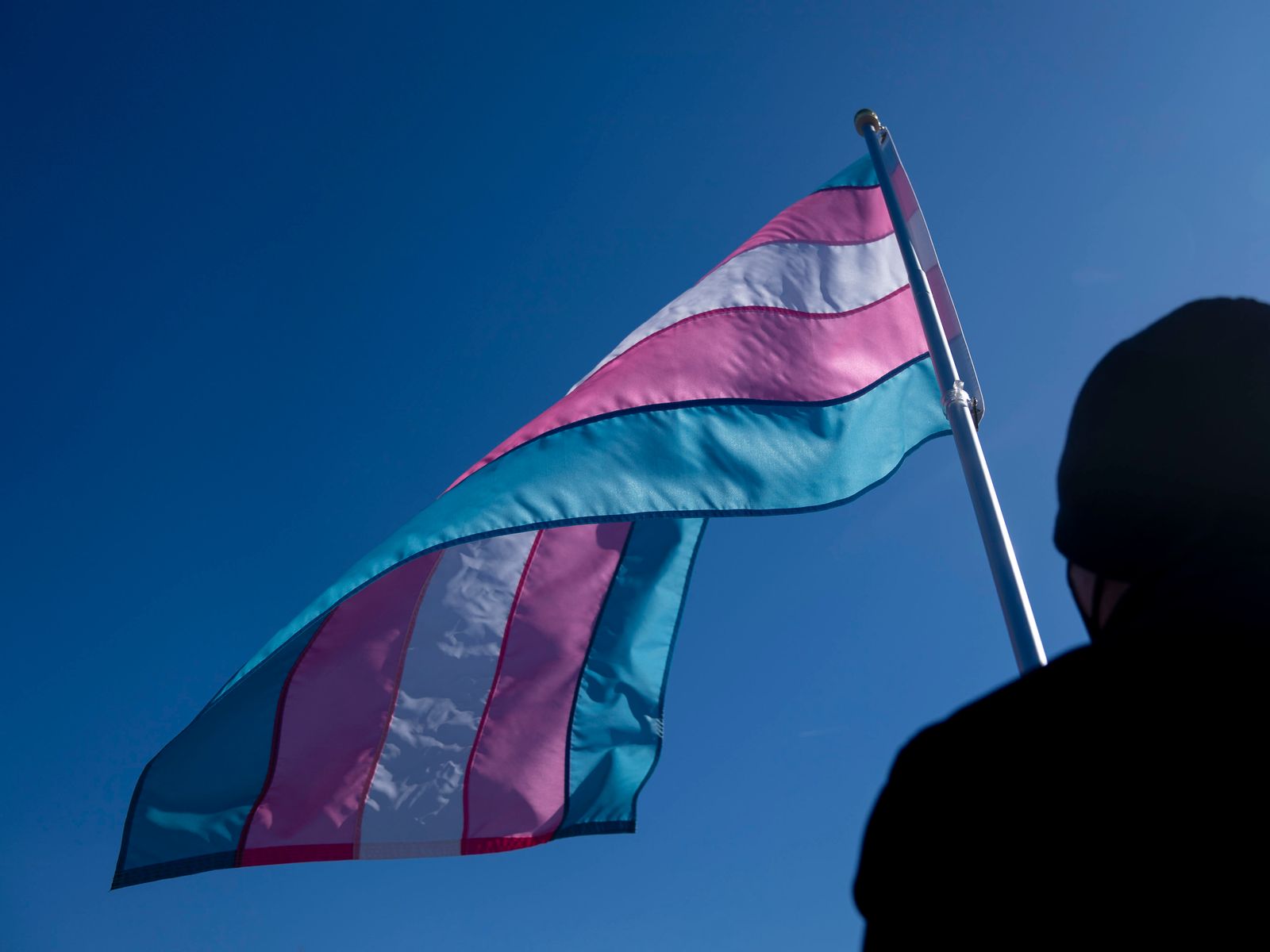
An American transgender woman has taken legal action after Dutch authorities refused her application for asylum. The case is drawing attention not only because of its personal implications but also due to its broader relevance in discussions surrounding human rights, gender identity, and the treatment of LGBTQ+ individuals seeking protection in Europe.
The woman, whose identity remains undisclosed for privacy reasons, sought refuge in the Netherlands, arguing that returning to the United States would expose her to discrimination and possible harm because of her gender identity. She contends that despite legal protections in the U.S., transgender individuals continue to face systemic barriers and targeted violence, creating an unsafe environment for those within the community.
The Dutch immigration authorities, nonetheless, denied her request, citing that the United States is recognized as a nation where LGBTQ+ rights are safeguarded by law. Officials assert that asylum is typically granted to those escaping nations where persecution is endorsed or where adequate protection by the government is lacking. This perspective is central to the ongoing disagreement, as the applicant contends that legal protections do not necessarily ensure real security or equality.
Advocates for transgender rights argue that the case underscores a critical gap in the interpretation of what constitutes safety and protection. They note that legal recognition of rights does not automatically eliminate social hostility, discrimination, or violence, which remain significant concerns for transgender individuals worldwide. According to numerous studies and reports by human rights organizations, transgender people experience disproportionately high rates of harassment, hate crimes, and social exclusion, even in countries that are considered progressive.
The anticipated legal proceedings aim to delve into the complexities, especially concerning whether requests for asylum can be based on societal conditions instead of exclusively legal evaluations. Specialists indicate that the verdict may establish a significant precedent, possibly affecting upcoming asylum cases for LGBTQ+ individuals from nations labeled as “safe.”
The case also raises questions about the broader responsibilities of European nations in offering refuge to vulnerable populations, even when those populations come from democracies with formal protections in place. Advocates emphasize that safety should be measured by lived experience rather than just constitutional guarantees.
While the court proceedings are ongoing, the situation highlights an enduring tension within international asylum policies: the balance between maintaining strict criteria for asylum eligibility and responding to evolving understandings of what constitutes real danger and persecution. The verdict will likely spark further debate about the intersection of human rights, gender identity, and international protection frameworks.
At present, the lady stays in the Netherlands, anticipating the upcoming stage of her judicial struggle. Her situation highlights that legal safeguards, though crucial, do not invariably ensure true security and equity for disadvantaged groups.