Heightened tensions have resurfaced at the border of Thailand and Cambodia, reigniting a longstanding history of disputes centered around territorial rights, cultural legacy, and national honor. Although this is not a novel issue, the latest incidents are bringing focus back to a region frequently seen as a hotspot in Southeast Asia, especially in the vicinity of the ancient Preah Vihear temple.
The Thai-Cambodian border has long been a sensitive zone, with disputes simmering over decades. At the heart of many of these confrontations is a relatively small stretch of land near the ancient Khmer Hindu temple of Preah Vihear, which stands atop a cliff in the Dângrêk Mountains. While the International Court of Justice (ICJ) ruled in 1962 that the temple belongs to Cambodia, the land surrounding it has remained a point of contention. Both countries interpret the ruling differently, and that ambiguity has contributed to military stand-offs and skirmishes over the years.
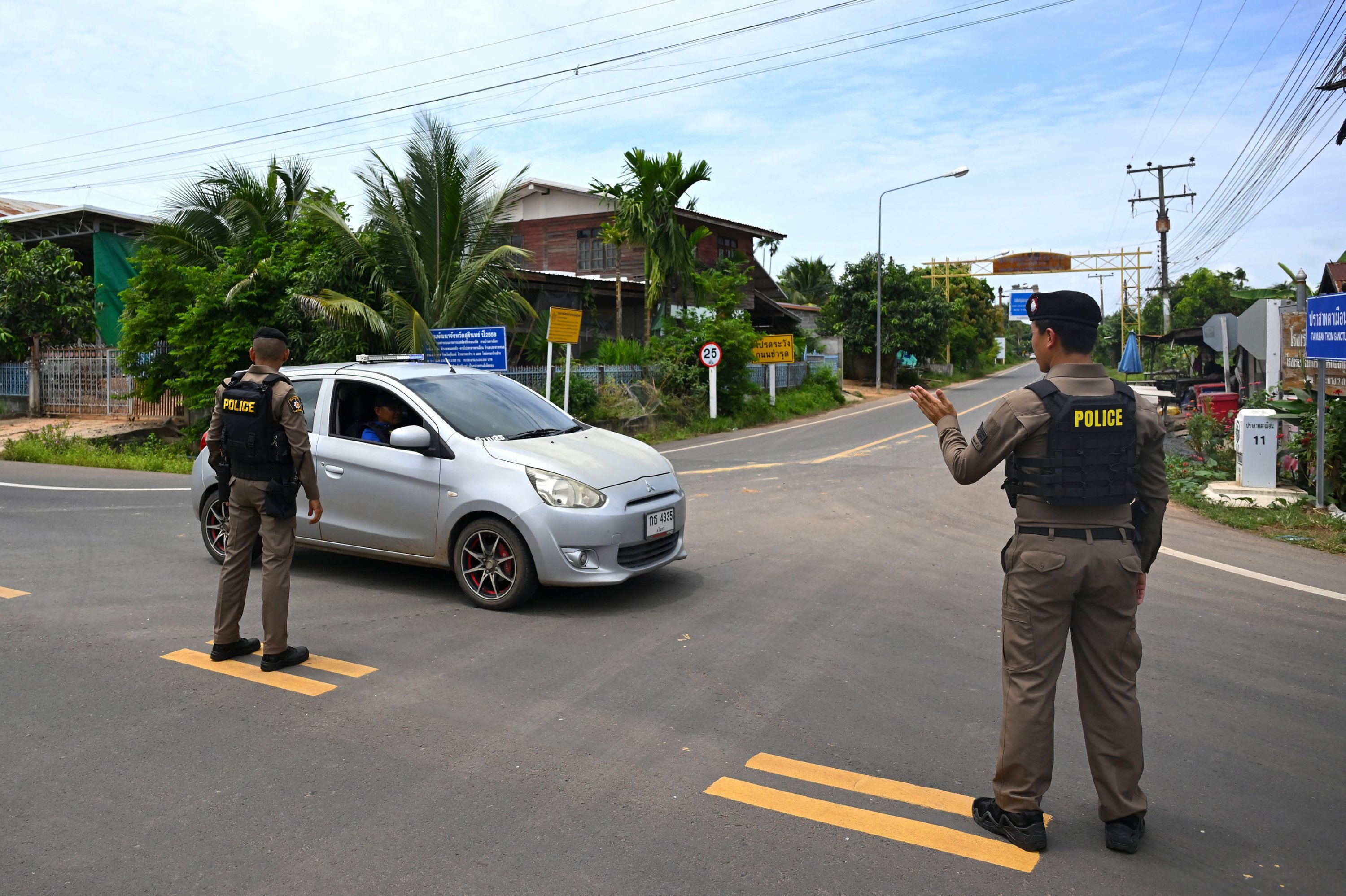
Recent reports indicate that military movements have increased along the frontier, raising concerns among local populations and international observers. Small-scale clashes and verbal escalations have stoked fears of a broader conflict, especially given the historical volatility of this region. Local residents on both sides have reportedly been advised to remain vigilant, with some villages preparing for potential evacuation if violence intensifies.
Although the latest incident has not resulted in major casualties, the symbolism of the contested land continues to provoke strong emotions. For many Cambodians, the temple is a proud emblem of their cultural legacy, and any perceived threat to its sovereignty is taken seriously. For Thais, especially those in the northeastern provinces bordering Cambodia, national identity and territorial integrity remain equally pressing concerns.
Showcasing military strength and a rise in troop numbers have once more underscored how tenuous peace can be in this border area. Officials from Thailand and Cambodia have exchanged allegations, with each party accusing the other of starting provocations. Occasionally, even small infrastructure undertakings—like building roads or military bases—have been perceived as aggressive moves by the opposite side.
The intricacies surrounding the border dispute between Thailand and Cambodia extend beyond mere geographical concerns or historical sites. Internal political factors frequently have a substantial impact. In both nations, nationalistic feelings can intensify during periods of political turbulence, and border conflicts have often been employed to garner public backing or shift focus away from domestic turmoil. Changes in leadership or election-related stress often align with increased border tensions, indicating that domestic issues can influence decisions in foreign affairs.
In the past, international mediation has helped ease tensions, particularly with the involvement of ASEAN and the United Nations. These diplomatic efforts have led to temporary truces and the withdrawal of troops, but long-term resolution has proved elusive. While bilateral talks between Thailand and Cambodia have taken place periodically, mutual distrust and competing historical narratives have impeded any lasting agreement.
The regional implications of continued unrest along the Thai-Cambodian border cannot be overlooked. Both countries play vital roles in ASEAN, and instability in one area has the potential to affect trade, tourism, and diplomatic cohesion in the broader region. As Southeast Asia works toward deeper integration, persistent border disputes like this one serve as a reminder that unresolved historical grievances still pose a challenge to unity.
Furthermore, this scenario brings about financial and societal impacts. Communities near the border are significantly reliant on exchanges across the border, farming activities, and informal trade. In times of heightened tensions, the closure of border crossings frequently occurs, affecting the income of countless individuals. For numerous households, an extended impasse can result in decreased earnings, restricted access to essential services, and heightened instability.
Cultural preservation is another dimension of this conflict. The Preah Vihear temple, a UNESCO World Heritage Site, is an invaluable part of Southeast Asia’s architectural and spiritual heritage. During past clashes, the site suffered minor damages, raising concerns about the potential for irreparable harm should future skirmishes escalate. Both Cambodia and Thailand have pledged to safeguard the monument, but military activity in the vicinity puts that promise at risk.
Although these difficulties persist, opportunities for diplomatic engagements and conversations remain. Organizations within civil society in both nations have promoted initiatives to build peace, encourage cross-border collaboration, and support cultural exchange projects to enhance mutual comprehension. Young people’s associations, historians, and artists have collaborated to change the story, emphasizing common heritage over disputes about borders.
Efforts at de-escalation require political will, transparent communication, and trust-building measures. Confidence-building strategies, such as joint patrols, demilitarized zones, or third-party mediation, could offer pathways forward. The role of regional organizations will also be crucial in facilitating impartial dialogue and providing frameworks for conflict resolution.
Recognizing how misinformation contributes to these conflicts is also crucial. In today’s digital world, speculation and provocative content can quickly circulate, heightening tensions and misunderstandings among the wider public. Accurate reporting and communication grounded in facts by governments and media organizations will play a vital role in averting further intensification.
The recent unrest along the Thai-Cambodian border underscores how historical disputes, when left unresolved, can resurface at any time. While the issue may seem localized, its ripple effects extend beyond the borderlands, impacting regional stability, economic development, and cultural preservation. A sustainable solution will depend not only on political negotiations but also on grassroots initiatives that emphasize cooperation over conflict. As tensions simmer once again, the international community will be watching closely, hoping that dialogue prevails over discord.