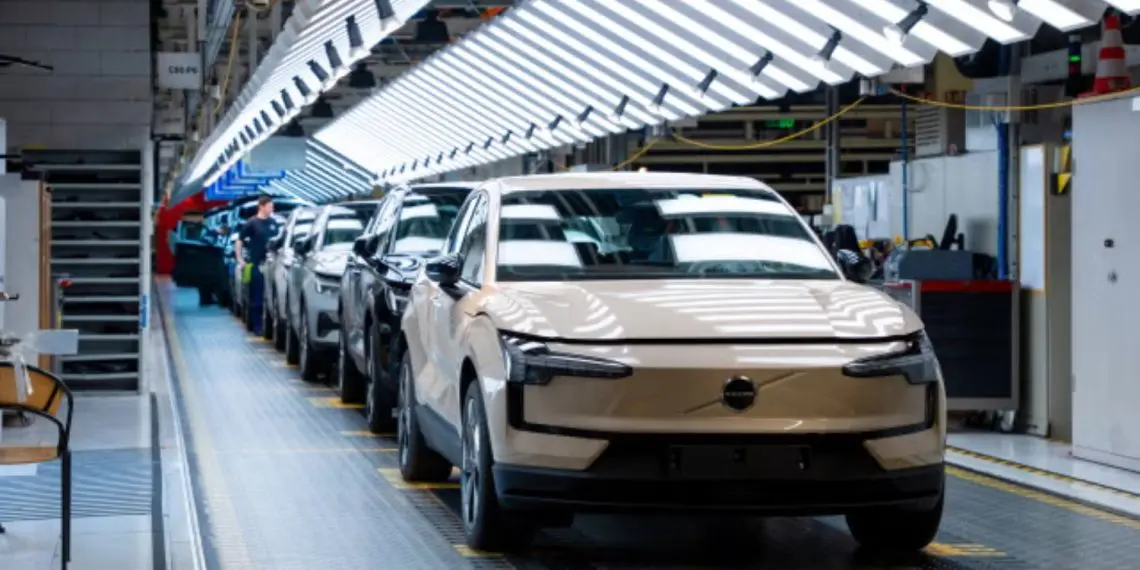
Volvo Cars, actualmente bajo control chino, ha anunciado intenciones de eliminar aproximadamente 3,000 empleos en un intento de reorganización estratégica. Esta decisión resalta la necesidad de la compañía de adaptarse a las cambiantes condiciones del mercado y mejorar sus operaciones en un ámbito automotriz competitivo.
The choice to cut roles stems from ongoing challenges in the global automotive industry, including disruptions in supply networks, evolving consumer preferences, and a swift transition to electric vehicles. As car manufacturers increasingly emphasize efficiency and sustainability, Volvo Cars seeks to remain competitive while addressing these issues.
Volvo’s decision to reduce its workforce reflects a broader trend in the automotive sector, where many companies are reevaluating their operations to ensure long-term viability. This change is particularly pertinent as the industry faces significant technological shifts and the need for major investments in electric vehicle developments. By optimizing its staff, Volvo aims to allocate resources more effectively towards innovation and growth.
The job cuts are expected to impact various departments within the company, although specific details regarding which roles will be affected have not been disclosed. The management has indicated that the decision was not made lightly, emphasizing the importance of maintaining a strong and focused team as the company embarks on its next phase of growth.
Despite the reduction in jobs, Volvo Cars remains committed to its vision of becoming a leader in sustainable transportation. The company has set ambitious targets for electrification, aiming for a substantial percentage of its sales to come from electric vehicles in the coming years. This commitment to sustainability aligns with global trends toward reducing carbon emissions and promoting eco-friendly transportation solutions.
As well as reducing its workforce, Volvo is examining novel strategies to boost its operational effectiveness. This could involve investing in cutting-edge manufacturing methods, refining supply chain logistics, and utilizing digital technologies to enhance production procedures. By adopting innovation, Volvo aims to develop a more flexible and responsive company that can adjust to market needs.
The announcement regarding staff cuts has created unease among workers and industry analysts about how it might affect morale and efficiency. As the car industry keeps transforming, keeping employees motivated will be vital for Volvo’s future achievements. The firm will need to employ strong communication methods to make sure that the team comprehends the reasons behind the adjustments and feels backed during the shift.
Volvo’s workforce reduction also highlights the broader economic landscape in which the automotive industry operates. The ongoing effects of the COVID-19 pandemic have disrupted supply chains, leading to shortages of critical components and affecting production schedules. As companies grapple with these challenges, many are compelled to make difficult decisions to safeguard their financial stability.
As Volvo Cars progresses with its reorganization strategy, it must weigh the urgent necessity of expense reduction against its enduring goals for expansion and sustainability. Connecting with stakeholders, such as workers, vendors, and clients, will be crucial in creating a cooperative atmosphere that aligns with the company’s aims.
In conclusion, the decision by Volvo Cars to cut 3,000 jobs reflects the ongoing challenges faced by the automotive industry as it transitions toward a more sustainable future. While the reduction in workforce may be necessary for short-term stability, the company’s commitment to innovation and electrification will be vital in shaping its long-term success. By navigating these changes thoughtfully, Volvo aims to emerge as a stronger player in the evolving automotive landscape.

.jpg "How to Set Up an Offshore Company in Panama")
.jpg "Panama Pensionado Visa Requirements 2026")