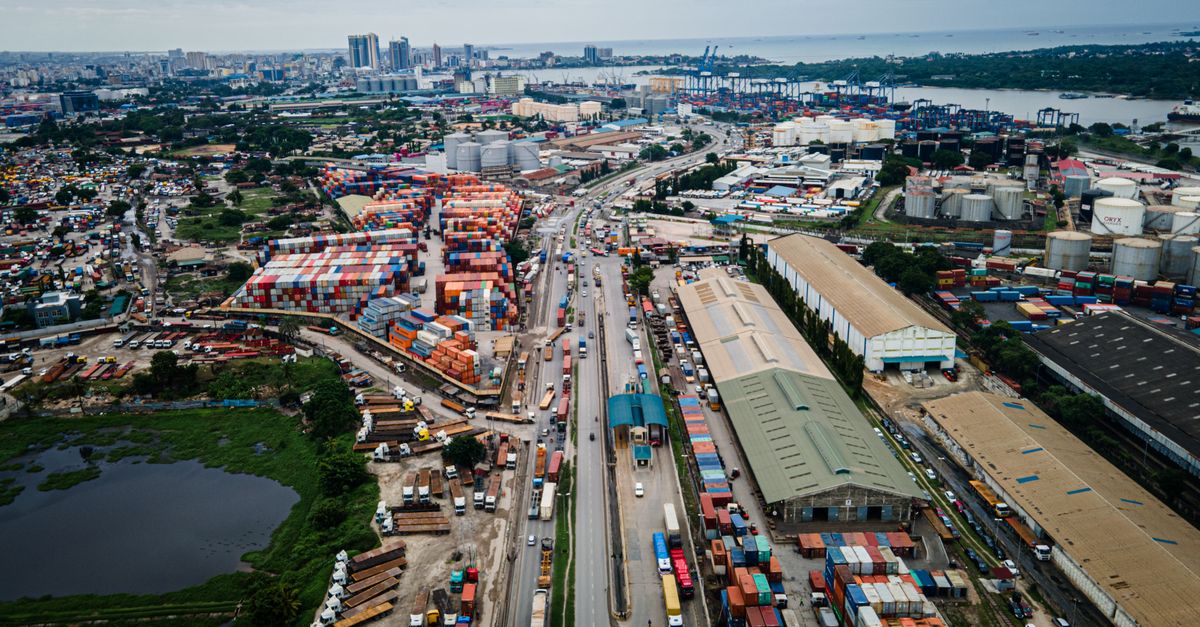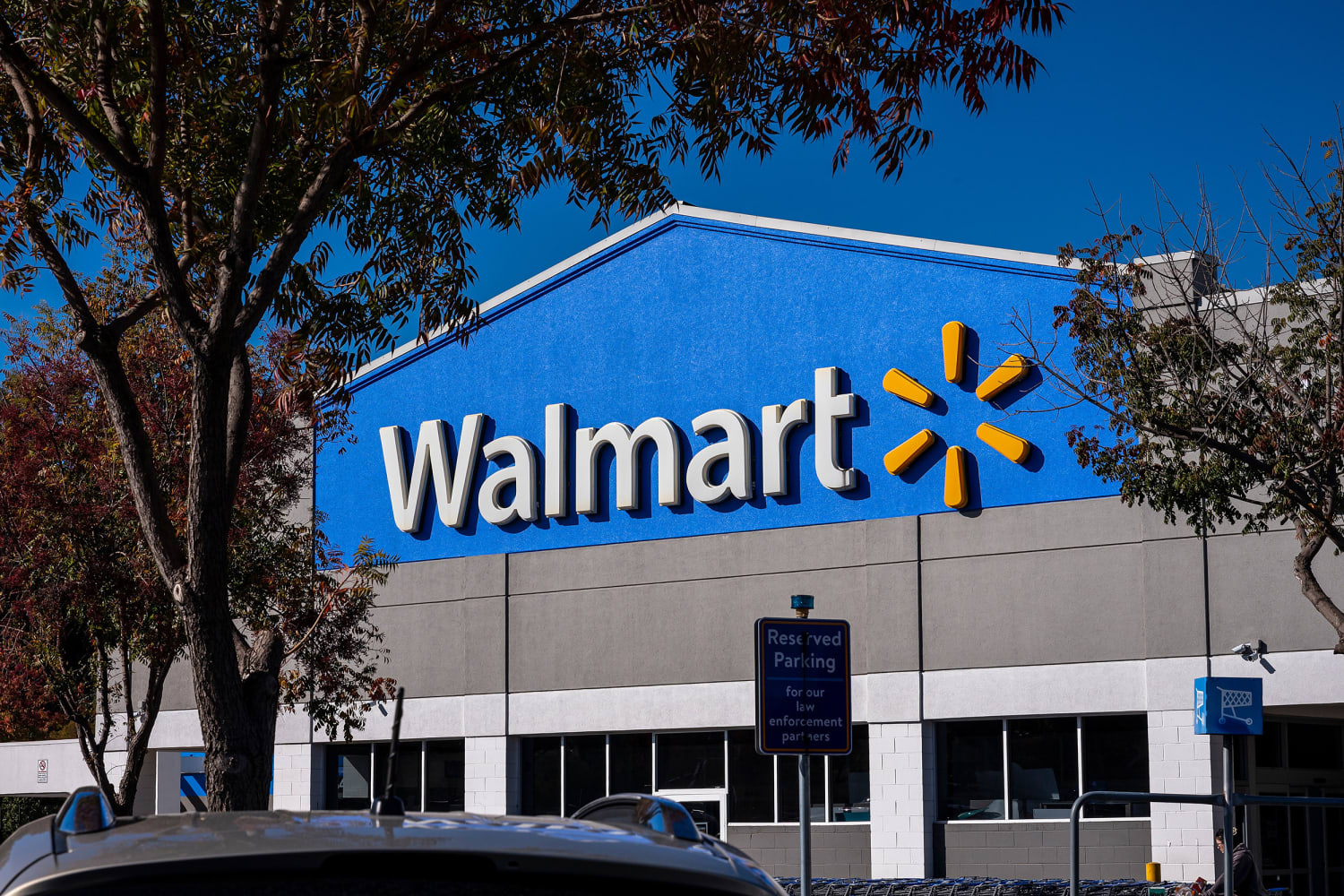
Walmart, one of the most significant retail networks globally, is dealing with a complicated economic environment due to tariffs inflating costs throughout its supply chain. Even with the difficulties arising from these heightened expenses, the store is still witnessing strong shopper visits, showcasing its strength in a competitive marketplace and its capacity to adjust to international trade shifts.
The introduction of tariffs on imports has been a persistent issue for numerous American retailers, especially those relying heavily on foreign suppliers. For Walmart, which obtains a large portion of its merchandise from international sources, these extra expenses have necessitated strategic changes in their pricing model. Although raising prices is typically a delicate matter for any retailer, Walmart has reached a point where gradual price modifications are indispensable.
Tariffs are essentially import taxes applied to goods entering a country, and when these measures are introduced or expanded, the immediate effect is higher costs for businesses that rely on international sourcing. Retailers like Walmart often face a critical decision: absorb these costs, which can erode profit margins, or pass some of the burden onto consumers through higher prices.
In Walmart’s case, the decision has involved a careful balance. The company has worked to mitigate the impact by leveraging its vast scale, optimizing procurement strategies, and negotiating more favorable terms with suppliers. However, in categories where tariff costs are significant, adjustments to shelf prices have become necessary to maintain operational stability.
Despite this, Walmart’s value proposition remains strong. The retailer has built its reputation on offering competitive prices, and while certain items have experienced price increases, the overall shopping experience continues to be anchored in affordability. This approach has helped the company maintain customer loyalty even in the face of economic headwinds.
The fact that consumers are still flocking to Walmart stores and digital platforms speaks volumes about the strength of the brand. Several factors contribute to this sustained demand, even as tariffs exert upward pressure on prices.
First, Walmart has a long-standing reputation for low prices compared to many competitors. Even with incremental price hikes, the retailer often remains the most cost-effective option for budget-conscious shoppers. In an era where inflationary pressures and economic uncertainty influence consumer behavior, this relative affordability is a key differentiator.
Second, Walmart’s expansive product range and strong presence in essential categories—such as groceries, household goods, and health products—make it a go-to destination for everyday needs. When customers prioritize convenience and value, Walmart consistently ranks as a preferred choice.
Third, the company’s investment in e-commerce and digital infrastructure has strengthened its appeal among consumers seeking flexible shopping options. The integration of online ordering, curbside pickup, and home delivery services has enhanced accessibility and convenience, which matters greatly to time-pressed households.
In order to lessen the effect of tariffs, Walmart has adopted a range of approaches beyond merely changing prices. The company has enhanced its emphasis on enhancing supply chain efficiency, exploring ways to lower operational expenses and sustain profit margins. This involves broadening its supplier bases, securing more favorable agreements, and occasionally relocating sourcing to areas that are less impacted by tariffs.
Additionally, Walmart continues to leverage its scale to secure favorable deals that smaller competitors cannot easily match. Its ability to buy in bulk and streamline logistics remains a powerful tool in keeping costs as low as possible under challenging circumstances.
The company has also introduced targeted pricing strategies to protect consumer perception. Rather than applying uniform increases across all categories, Walmart has prioritized maintaining affordability in essential goods while allowing modest adjustments in discretionary categories. This tactic helps preserve the retailer’s image as a leader in value, even as broader economic forces drive cost escalation.
A compelling scenario has developed following Walmart’s modifications in pricing: consumers seem to be accommodating the shifts without dramatically changing their purchasing behaviors. Experts point to various reasons for this, such as the belief that Walmart’s costs stay competitive and the increasing awareness that tariffs and inflation affect the entire industry, not just a single retailer.
Many households view Walmart as a dependable source for cost-effective essentials, making it a default option even when prices rise slightly. Loyalty programs, promotional discounts, and private-label alternatives further reinforce the perception of value, reducing the risk of customers migrating to competitors.
Walmart’s experience underscores the ripple effects of trade policy decisions on consumer markets. Tariffs, while designed to protect domestic industries, often lead to cost increases that flow through the supply chain to the end consumer. Retail giants like Walmart are better positioned than smaller retailers to absorb or offset these costs, but even they cannot remain completely insulated from the financial pressures tariffs create.
This scenario also underscores the intricacies of current-day retail ventures, where worldwide procurement is crucial for upholding diversity and cost-effectiveness. When duties upset this balance, businesses need to swiftly devise new strategies to maintain profit margins and consumer confidence.
Even though the obstacles linked to tariffs are challenging, Walmart seems prepared to manage the upcoming difficulties effectively. Its robust operational strengths, wide-reaching distribution network, and dedication to keeping prices low lay out a reliable framework for continued growth. The company’s capacity to adjust—be it through enhancing the supply chain, expanding online, or implementing pricing tactics—remains a central advantage.
Moreover, consumer behavior suggests that the loyalty Walmart has cultivated over decades continues to hold firm. Even as prices rise modestly, shoppers view the retailer as a trusted source for everyday value, reinforcing its dominant position in the marketplace.
In a landscape defined by economic unpredictability and shifting trade factors, Walmart’s journey provides important lessons about the relationship between rules, costs, and consumer strength. The company’s strategy shows that being open, flexible, and committed to key brand commitments can allow retailers to stay stable even as outside challenges increase.
Although duties are expected to persist in global commerce for the foreseeable period, Walmart’s forward-looking approach shows that the company is not simply responding to difficulties but is also actively developing plans to transform challenges into favorable outcomes. As the retail sector keeps changing, Walmart’s capability to juggle expense control with meeting customer needs will play a crucial role in its enduring success.