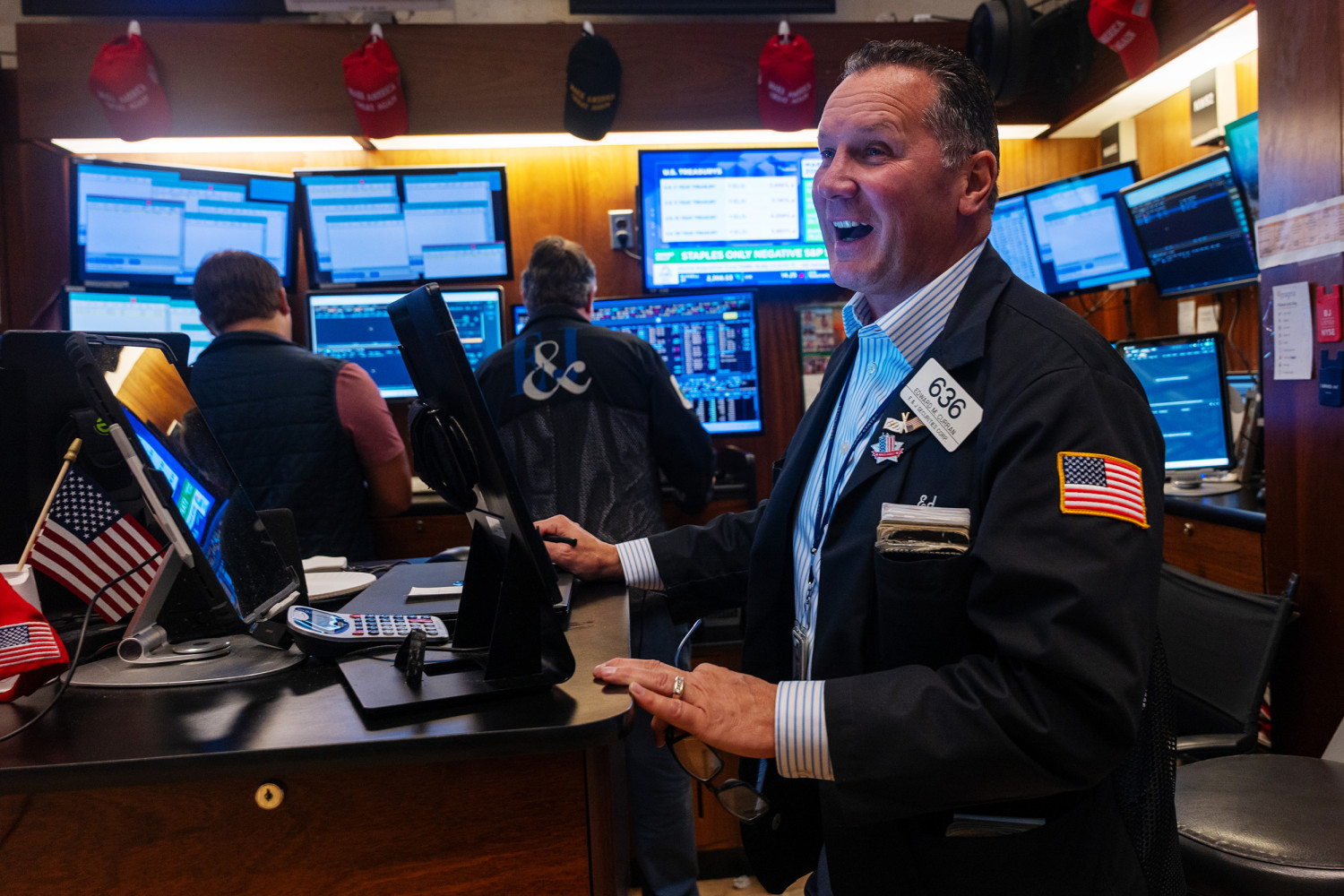
Despite economic turbulence, the stock market continues to show surprising strength and resilience, defying forecasts and maintaining investor confidence across global markets.
The surprising resilience of the stock market
In the past few months, those analyzing finances and those who invest have been witnessing an extraordinary occurrence: the enduring steadiness and even advancement of the stock market amidst broad economic uncertainty. Factors such as inflation, increased interest rates, and geopolitical issues have combined to form a complicated scenario that would typically result in considerable drops in stock prices. However, the markets have shown a degree of robustness that was unexpected by many. This toughness indicates not just the positivity of investors but also the flexibility of international businesses as they maneuver through tough situations.
The stock market’s performance has often been viewed as a barometer for the health of the broader economy. Traditionally, economic uncertainty leads to cautious investment behavior, decreased corporate spending, and a shift toward safer assets like bonds or gold. However, the current trend defies these patterns. Major indices such as the S&P 500, Dow Jones Industrial Average, and Nasdaq have shown sustained growth, indicating that investors are still confident in long-term market fundamentals despite short-term instability.
One explanation for this phenomenon lies in the adaptability of companies and sectors that have learned to pivot quickly in response to changing global conditions. Technology firms, for instance, have leveraged innovation and automation to maintain profitability, while energy and healthcare companies continue to attract investor interest due to their essential roles in both developed and emerging economies.
Elementos que fomentan el optimismo en el mercado
Another key factor behind the stock market’s strength is the influx of individual investors who have entered the market over the past few years. The democratization of investing—fueled by online platforms and mobile trading apps—has changed the landscape of global finance. Retail investors now play a more prominent role, often focusing on long-term gains rather than short-term fluctuations. Their participation has helped maintain trading volumes and liquidity even when institutional investors adopt more conservative strategies.
Moreover, businesses have reported robust earnings even with increased operating expenses. Numerous firms have adeptly modified pricing methods, optimized supply chains, and embraced cost-reduction technologies to maintain profit margins. These strategic measures have strengthened investor trust, indicating that the market’s strength is based on solid financial results instead of just speculation.
Monetary policy has also played a critical role. Although central banks around the world have implemented tighter measures to control inflation, their cautious approach to interest rate hikes has helped avoid abrupt shocks to the market. The balance between curbing inflation and supporting economic growth has been delicate but effective, preventing panic-driven sell-offs and ensuring that liquidity remains accessible to investors and businesses alike.
The equilibrium between danger and benefit
Despite this optimism, experts caution that the current environment still demands careful navigation. The coexistence of market growth and economic uncertainty means that investors must remain vigilant. Diversification, strategic asset allocation, and a long-term perspective have become more important than ever. While the stock market continues to provide opportunities, volatility remains a constant risk that cannot be ignored.
One of the most striking features of this period is how quickly sentiment can shift. A single geopolitical event, unexpected policy announcement, or disappointing earnings report can lead to sharp market reactions. The speed of information dissemination through digital platforms amplifies these movements, forcing investors to react faster than in previous decades. This rapid cycle of reaction and adjustment has become part of the market’s new normal, blending unpredictability with resilience.
For long-term investors, this environment underscores the importance of patience and perspective. Short-term market swings may seem alarming, but history has repeatedly shown that markets tend to recover and grow over time. Those who focus on quality assets, consistent fundamentals, and a disciplined investment strategy are often better positioned to weather uncertainty and benefit from eventual recoveries.
An optimistic yet careful perspective
Looking forward, many analysts expect the market’s momentum to continue, albeit at a slower pace. Economic headwinds remain—ranging from global supply chain challenges to shifting labor dynamics—but the overall outlook is cautiously optimistic. Companies that continue to innovate and adapt will likely sustain their market positions, while sectors such as renewable energy, healthcare technology, and digital finance are projected to see sustained growth.
The evolution of investor behavior is also shaping the market’s future. Environmental, social, and governance (ESG) investing has gained significant traction, with more investors prioritizing ethical and sustainable companies. This shift not only reflects changing societal values but also encourages corporations to align profitability with responsibility. As these trends mature, they could redefine what drives long-term market performance.
The stock market’s endurance amid ongoing uncertainty highlights the complex interplay between human behavior, corporate resilience, and economic policy. While risks remain, the continued performance of global equities suggests that confidence in innovation, productivity, and adaptability remains strong. Investors who approach the market with strategic foresight rather than fear are likely to find that even in turbulent times, opportunity persists.
The stock market’s ability to thrive despite widespread uncertainty serves as a testament to both the resilience of global economies and the evolving strategies of modern investors. While challenges will continue to test the limits of confidence and stability, the market’s current strength offers a powerful reminder that adaptability and long-term vision remain the most valuable assets in the world of finance.