In a global landscape characterized by economic instability and changing partnerships, Chinese President Xi Jinping and Indian Prime Minister Narendra Modi have underscored the significance of their bilateral relationship. Their latest conversations occur amidst a period when international trade frictions, such as those initiated by tariffs from the United States, are influencing markets across the globe and encouraging countries to evaluate their strategic alliances.
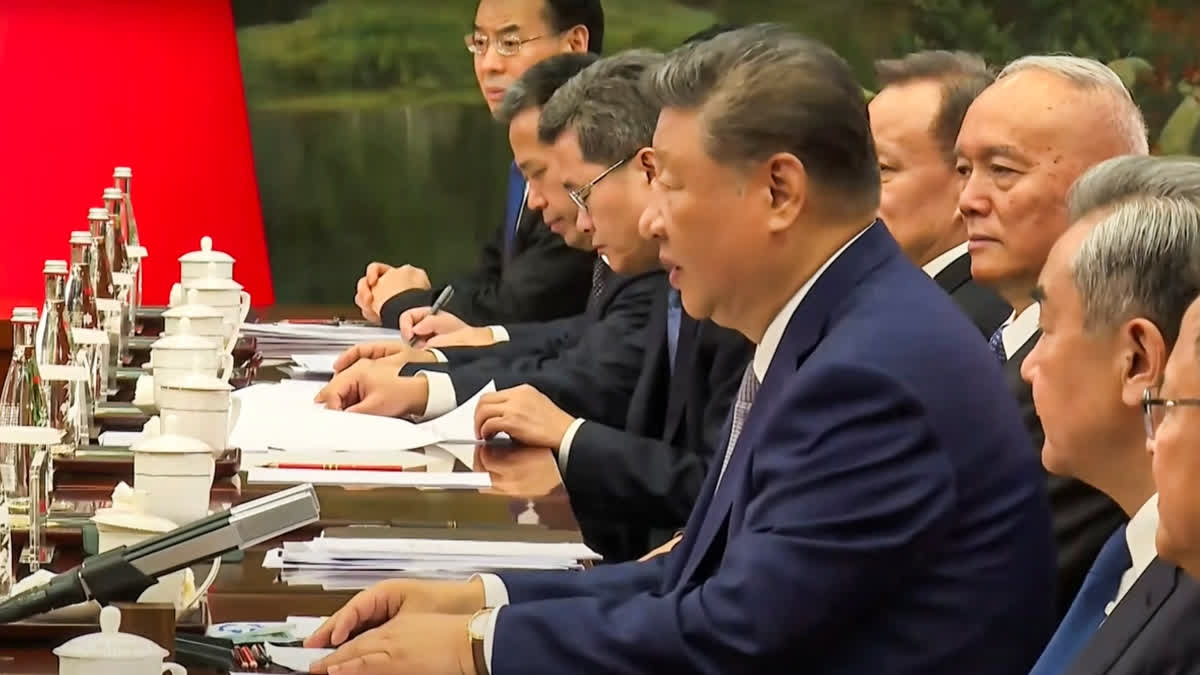
The meeting between Xi and Modi underscores a shared interest in maintaining stability and cooperation between the two Asian giants. Both leaders emphasized dialogue and mutual respect as essential tools for navigating a complex international environment. By presenting a united front, they aim to reinforce regional peace while protecting their respective economic interests amid global uncertainty.
Trade has been a central focus of their engagement. U.S. tariffs and other protectionist measures have disrupted supply chains and increased costs for businesses in both China and India. In this context, strengthening bilateral trade and investment ties serves as a practical response to global economic pressures. Officials from both nations have discussed measures to facilitate smoother commerce, including initiatives to reduce trade barriers and encourage joint industrial projects.
Beyond economic concerns, Xi and Modi delved into the wider geopolitical context. With tensions escalating in various regions, both leaders emphasized the importance of multilateral strategies and regional partnership. Their dialogue demonstrates an awareness that worldwide issues—from climate change to cybersecurity—require cooperation instead of conflict. Enhancing the China-India partnership is thus viewed as a stabilizing influence in a volatile world.
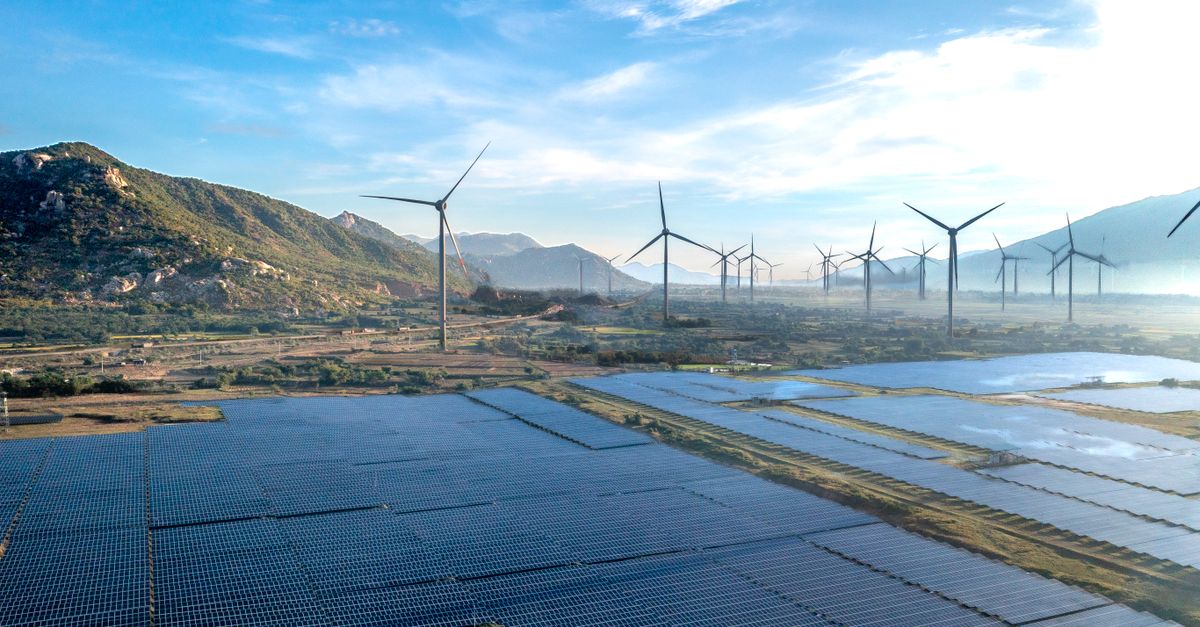
Infrastructure and technology are also key topics in their dialogue. China’s experience with large-scale development projects, including the Belt and Road Initiative, offers lessons that could benefit India’s urbanization and connectivity efforts. Meanwhile, India’s growing tech sector and market potential provide opportunities for collaboration, particularly in areas such as information technology, renewable energy, and digital trade. Both nations view these exchanges as mutually advantageous.
The significance of the meeting between the leaders goes beyond economic matters. Amidst a climate of increasing nationalism and protectionism, the public declaration of camaraderie by Xi and Modi conveys a clear signal to the world: The two most populous nations in Asia are ready to work together, even as global alliances change. This stance might inspire other countries to seek collaborations grounded on mutual interests instead of ideological differences.
Security cooperation was another aspect of their discussions, especially regarding border management and regional stability. Historical tensions along the China-India border have necessitated careful diplomacy, and both parties stressed the importance of dialogue, confidence-building measures, and communication channels to avoid misunderstandings. Preserving peace along their shared frontier remains a top priority for both governments.
Economic forums and trade councils have started to put into action various proposals discussed by Xi and Modi. Strategies for encouraging investment in areas such as renewable energy, infrastructure, and advanced technology manufacturing are in progress, intending to enhance bilateral trade and counter the influence of foreign tariffs. These initiatives are anticipated to generate employment, facilitate technological interchange, and strengthen economic robustness.
Experts indicate that a reinforced alliance between China and India might produce widespread effects in Asia and elsewhere. As two of the fastest-expanding economies worldwide, their collaboration holds the potential to impact international supply chains, industrial markets, and regional growth plans. By collaborating, these nations strive to mitigate economic fluctuations and exert more authority in international governance platforms.
The leaders also addressed cultural and educational exchanges, recognizing the value of people-to-people connections in fostering long-term goodwill. Student programs, research collaborations, and tourism initiatives were highlighted as avenues to deepen mutual understanding and create networks that support diplomatic and economic objectives. Such initiatives demonstrate that diplomacy extends beyond government channels and can have lasting societal impacts.
Even with their distinct political systems, economic structures, and strategic goals, Xi and Modi underlined that practicality and shared advantage are key components in their relationship. Both parties recognized the difficulties arising from external influences but concurred that collaboration offers a more positive path than conflict. This strategy indicates an increasing tendency among countries to pursue stability and foreseeability in a world marked by uncertainty.
Financial analysts have noted that stronger China-India relations could mitigate some of the disruptive effects of tariffs and trade wars. By diversifying trading partners and creating alternative supply chains, businesses in both countries may find new opportunities for growth. This strategic approach also reduces reliance on markets that are increasingly subject to unpredictable policy shifts.
Infrastructure projects discussed during their talks include transport corridors, energy pipelines, and joint ventures in technology parks. These initiatives aim to facilitate the movement of goods and services while promoting sustainable development. Both governments view these projects as a long-term investment in regional prosperity that transcends short-term geopolitical challenges.
The declarations made by Xi and Modi have focused on mutual respect and a common perspective. The leaders pointed out that friendship and working together are not merely ideals but practical methods for handling a world where economic unpredictability, political turmoil, and environmental challenges are becoming more intertwined. Their conversation highlights a dedication to stability and progress, even when confronted with global disturbances.
The international response to this partnership has been cautious but attentive. Observers recognize the strategic importance of closer ties between China and India, given their population size, economic influence, and geographic positioning. While Western powers continue to implement tariffs and trade restrictions, the two Asian nations appear intent on creating a framework that safeguards their interests and fosters regional development.
Cuando los mercados globales siguen mostrando variaciones, el énfasis en la cooperación por encima de la competencia establece un modelo para otras naciones. Las conversaciones entre Xi y Modi muestran que, incluso en un entorno internacional caótico, la diplomacia y las asociaciones pragmáticas pueden proporcionar vías hacia la estabilidad. Este enfoque podría impactar las decisiones de políticas no solo en Asia, sino también en otras regiones que buscan alternativas a la dependencia de bloques de poder tradicionales.
Looking ahead, the China-India relationship is likely to remain a focal point in global economic and political strategy. Both nations are investing in initiatives that promote mutual growth, technological advancement, and regional stability. While challenges will persist, their recent dialogues illustrate a shared understanding that collaboration can yield greater benefits than unilateral action or reliance on external powers.
The discussion between Xi Jinping and Narendra Modi signifies a calculated initiative to enhance mutual relationships during a time of worldwide unpredictability. By emphasizing amity, trade collaboration, and area stability, the two heads strive to steer through the intricate global scenario while establishing their countries as significant actors. Their dedication indicates that even in the face of outside pressures like trade barriers and geopolitical conflicts, active diplomacy and pragmatic alliances continue to be crucial instruments for ensuring economic and political robustness.