Mexican heritage is a foundational force shaping culture, everyday life, and urban identity in cities like San Antonio, Texas. It informs public rituals, foodways, music, visual art, language use, neighborhood character, economic activity, and political leadership. The result is a distinctive urban environment where layered histories—Indigenous, Spanish colonial, Mexican, and American—interact to produce civic practices and cultural forms that are visible in public space, institutions, and everyday routines.
Historical foundations
Mexican heritage in San Antonio traces to the region’s long pre-statehood history: Spanish colonial settlement, the Mexican period in the early nineteenth century, and shifting governance during the Republic and statehood eras. These layers left built forms such as mission complexes, plazas, and church-centered neighborhoods. The missions and historic civic core established patterns of public life and architecture that continue to anchor cultural expression.
Demographics and economic influence
As of the most recent decennial census, San Antonio is a majority Hispanic city, with roughly two-thirds of residents identifying as Hispanic or Latino. This demographic predominance translates into economic influence: entrepreneurs of Mexican descent own a large share of small businesses, drive the restaurant and hospitality sectors, and participate heavily in retail and service industries that shape the city’s labor market. Mexican heritage also supports cross-border networks of trade, supply chains for specialty foods and crafts, and tourism that markets the city’s distinct cultural offerings.
Gastronomic scene
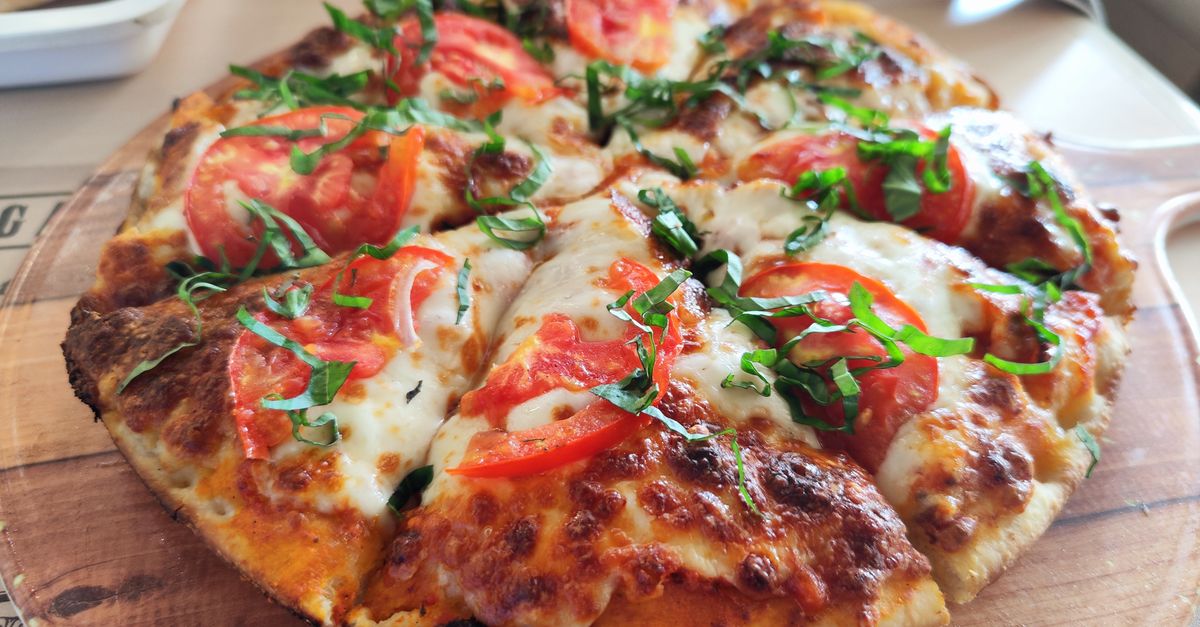
Food stands as one of the clearest expressions of how Mexican heritage influences urban life, with age‑old cooking methods, favored ingredients, and family‑passed culinary wisdom sustaining both a vibrant restaurant landscape and a thriving informal food scene, and the local taste is shaped by elements such as:
- Extensive reliance on corn, beans, and chili peppers, along with the layering of sauces and patiently simmered fillings.
- A vibrant street food scene and local mercados that support informal commerce and small-scale vendors.
- Culinary fusions that combine regional Mexican techniques with Texas ingredients, resulting in distinctive local expressions that stand apart from either tradition on its own.
This food culture fuels tourism, supports immigrant entrepreneurship, and shapes everyday patterns of social life around shared meals.
Musical expression, dance, and the visual arts
Music and dance traditions rooted in Mexican heritage are central to civic celebrations and neighborhood life. These traditions range from string-and-brass ensembles accompanying public events to community-based folk dance troupes that perform historic repertoire adapted to contemporary stages. Visual arts, including mural traditions and public sculpture, frequently draw on Mexican themes—family, migration, labor, religious iconography—and appear on commercial facades, community centers, and municipal arts projects. Notable impacts include:
- Public muralism employed as a medium for narrating community stories and conveying political viewpoints.
- Hybrid musical styles merging regional Mexican traditions with American mainstream sounds, shaping local radio programming, festivals, and nightlife scenes.
- Local creators and cultural organizations organizing exhibitions that highlight Mexican and Mexican American historical narratives.
The built environment, surrounding neighborhoods, and shared public spaces
Mexican heritage influences urban landscapes through historic districts, plazas, and marketplaces that gather community life, while long-established Mexican American neighborhoods support family-operated shops, cultural centers, and religious spaces that structure everyday routines; public areas frequently embody shared traditions such as processions, outdoor markets, and festive gatherings, fostering civic environments where cultural expression remains visible in the streets, and architectural elements like decorative tiles, elaborate facades, and mission-style details convey both historical continuity and modern reinterpretation.
Celebrations, rites, and the public calendar
Annual commemorations and public rituals shaped by Mexican heritage mark the city’s civic calendar, spanning from festivals that pay tribute to historic connections to community gatherings that highlight family milestones, agricultural cycles, and religious celebrations. These occasions unite immigrant and long‑established residents, stimulate local economic activity, and support the passing of cultural traditions across generations. Municipal backing for such festivals and their inclusion in tourism promotion further embed heritage as a defining element of the city’s identity.
Linguistic expression, learning, and the passage of culture
Spanish language use remains ubiquitous in homes, commerce, and informal public communication, contributing to bilingual environments. Educational institutions and community organizations maintain bilingual programming and Mexican American studies that formalize cultural knowledge in curricula. Language practices include code-switching, bilingual signage in commercial corridors, and media in Spanish and English, all of which sustain linguistic diversity and enable cultural continuity across generations.
Political dynamics, leadership roles, and active civic participation
Mexican heritage shapes local politics and civic leadership. Leaders of Mexican descent have served as mayors, council members, and organizers, translating community priorities into policy on housing, education, and cultural investment. Grassroots advocacy born from Mexican American community networks has advanced civil rights, equitable development, and cultural preservation. Political mobilization around issues that disproportionately affect Mexican heritage communities—immigration policy, labor rights, and access to public services—has influenced municipal and regional agendas.
Contemporary challenges and adaptation
Cities influenced by Mexican heritage experience pressures familiar to many expanding American urban centers, including the gentrification of long-established districts, rising displacement risks, and ongoing arguments over honoring culture versus turning it into a marketable product. At the same time, these cultural expressions evolve as new immigrant communities bring regional Mexican variety, third-generation households reinterpret long-held customs, and artists blend traditional elements into modern creative work. Decisions on affordable housing, cultural district designations, and assistance for family-owned businesses will determine whether heritage continues to thrive in daily life or shifts largely into the realm of tourism.
Illustrative cases
- A Mexican American neighborhood with deep family roots leverages community arts grants to record oral narratives and create murals, reinforcing its collective identity as property pressures intensify.
- A municipal museum collaborates with community elders and academic experts to jointly curate migration-history exhibitions, developing educational initiatives that integrate into school programs and adult learning.
- Local entrepreneurs reinterpret traditional dishes and culinary practices to suit regional supply networks and health standards, launching innovative hybrid food ventures that attract both longtime residents and newcomers.
Mexican heritage in San Antonio serves not as a fixed backdrop but as an active, evolving influence that continually shapes the city’s appearance, flavors, rhythms, and governance; it moves through institutions, everyday traditions, and civic rituals that safeguard collective memory while generating new expressions, and its strength relies on policies that uphold linguistic diversity, fair economic access, community‑led cultural initiatives, and safeguards for neighborhoods facing redevelopment pressures, ensuring that sustaining and advancing Mexican cultural contributions involves addressing concrete needs such as housing, employment, and public spaces in tandem with celebration so that cultural expression stays embedded in daily urban life rather than reduced to staged display.