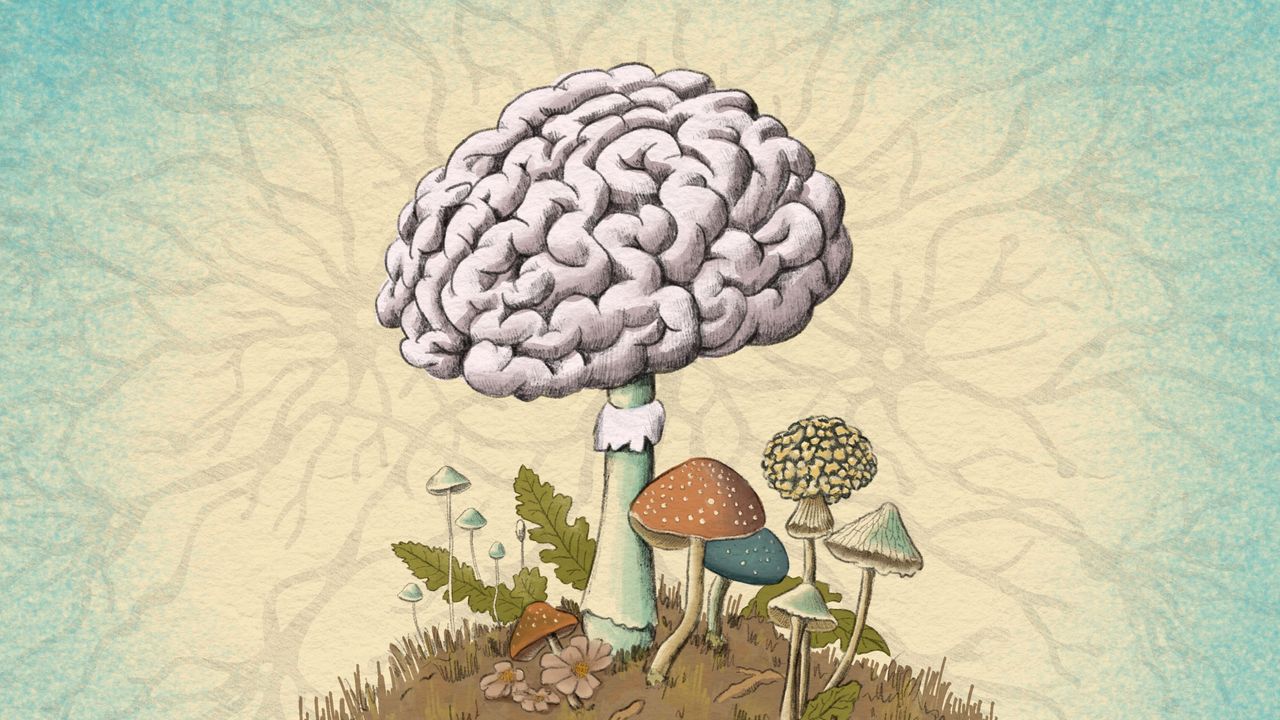
The human body is not merely a carrier for countless bacteria and viruses, but is also abundant with fungi. Though typically linked to conditions such as athlete’s foot or yeast infections, these tiny organisms are, in reality, a normal and frequently unnoticed component of the body’s internal environment. Recent scientific advancements propose that these fungal inhabitants might not only coexist with us but could also be quietly affecting the way our brains operate.
Fungi, like bacteria, are an essential part of the human microbiome. Found on the skin, in the mouth, throughout the digestive system, and even in the lungs, these organisms form a dynamic and diverse fungal community known as the mycobiome. Although much less studied than the bacterial microbiome, the mycobiome is beginning to draw greater interest from scientists seeking to understand its role in human health.
What’s especially fascinating is the chance that fungi could be engaging with the brain in previously unthought-of manners. This notion arises from a wider comprehension of the “gut-brain axis,” an established idea that explains the intricate dialogue between the digestive system and the central nervous system. Although bacteria have traditionally been viewed as central figures in this connection, some scientists are now focusing on fungi, exploring if they also might be influencing thoughts, mood, and cognitive health.
The hypothesis rests on several observations. First, fungi have been found in the gut alongside bacteria and viruses, and their balance—or imbalance—has been linked to inflammatory conditions. Chronic inflammation, in turn, has been associated with several neurological disorders, including depression and anxiety. Second, fungal metabolites—chemicals produced as fungi break down substances—might influence the production of neurotransmitters or interact with immune cells in the brain, potentially altering mental states.
Here’s the rewritten text:
Recent investigations involving both animal and human subjects have begun to reveal connections between fungal communities and alterations in brain function. For instance, differences in intestinal fungi have been noticed in individuals suffering from neurological disorders like multiple sclerosis and schizophrenia. Although these discoveries are still in their preliminary phases and do not yet demonstrate a direct causative link, they introduce a novel avenue for comprehending the intricate connections within the body’s systems.
It is important to acknowledge that fungi exhibit distinct characteristics that differentiate them from bacteria. Their capability to transition between various forms—such as yeast and filamentous structures—can influence how they engage with the immune system. This adaptability might allow them to avoid immune recognition or provoke more intense responses, depending on their surroundings. Considering the immune system’s connection to brain health, these interactions might be noteworthy.
Another area of interest is the potential for fungi to breach the blood-brain barrier, the protective layer that typically prevents harmful substances from entering the brain. While still a controversial subject, there is some evidence that fungal components have been detected in the brains of individuals with neurodegenerative diseases. If confirmed, this could suggest a more direct influence of fungi on brain tissue than previously assumed.
Even in the absence of direct contact, the immune response triggered by fungi elsewhere in the body could send inflammatory signals to the brain. Over time, such persistent low-grade inflammation might affect neural pathways and contribute to cognitive decline or mood disorders.
Understanding how fungi influence brain activity might open up new medical avenues. If distinct fungal patterns are linked to psychological disorders, upcoming treatments could involve antifungal medications, specialized probiotics, or dietary adjustments aimed at controlling fungal development. Despite this potential, the research area is still emerging, with numerous questions awaiting resolution.
At the moment, scientists are advocating for broader investigations that incorporate fungi in microbiome assessments. Although bacteria have been the main focus, a more complete understanding of human health might necessitate examining more than just bacteria. Including fungal information might clarify current mysteries concerning diseases that have been persistently challenging to cure or comprehend.
It’s important to remember that fungi are not inherently harmful. Many live peacefully within us and may play beneficial roles in digestion, immune defense, and nutrient production. The key lies in maintaining a balanced microbial environment, where neither fungi nor bacteria grow unchecked.
The idea that these invisible organisms could be influencing how we feel, think, or behave might sound surprising, but it aligns with a growing appreciation for the complex ecosystems inside the human body. Rather than being passive passengers, fungi may turn out to be active participants in our physiological—and possibly psychological—well-being.
As research progresses, scientists hope to untangle the intricate web of interactions among microbes, the immune system, and the brain. In doing so, they may reveal new layers of what it means to be human—layers that include not just our cells and organs, but the vast, invisible community of organisms that lives within us.
Whether fungi act as quiet influencers of the mind or just as a component of a broader microbial ensemble, their importance in the body is becoming more recognized. As scientific research delves deeper into this fungal realm, it is possible that uncovering the mysteries of mental health will necessitate not only examining the brain but also exploring the microbial sphere that contributes to its formation.