Our website uses cookies to enhance and personalize your experience and to display advertisements (if any). Our website may also include third party cookies such as Google Adsense, Google Analytics, Youtube. By using the website, you consent to the use of cookies. We have updated our Privacy Policy. Please click the button to view our Privacy Policy.

Health

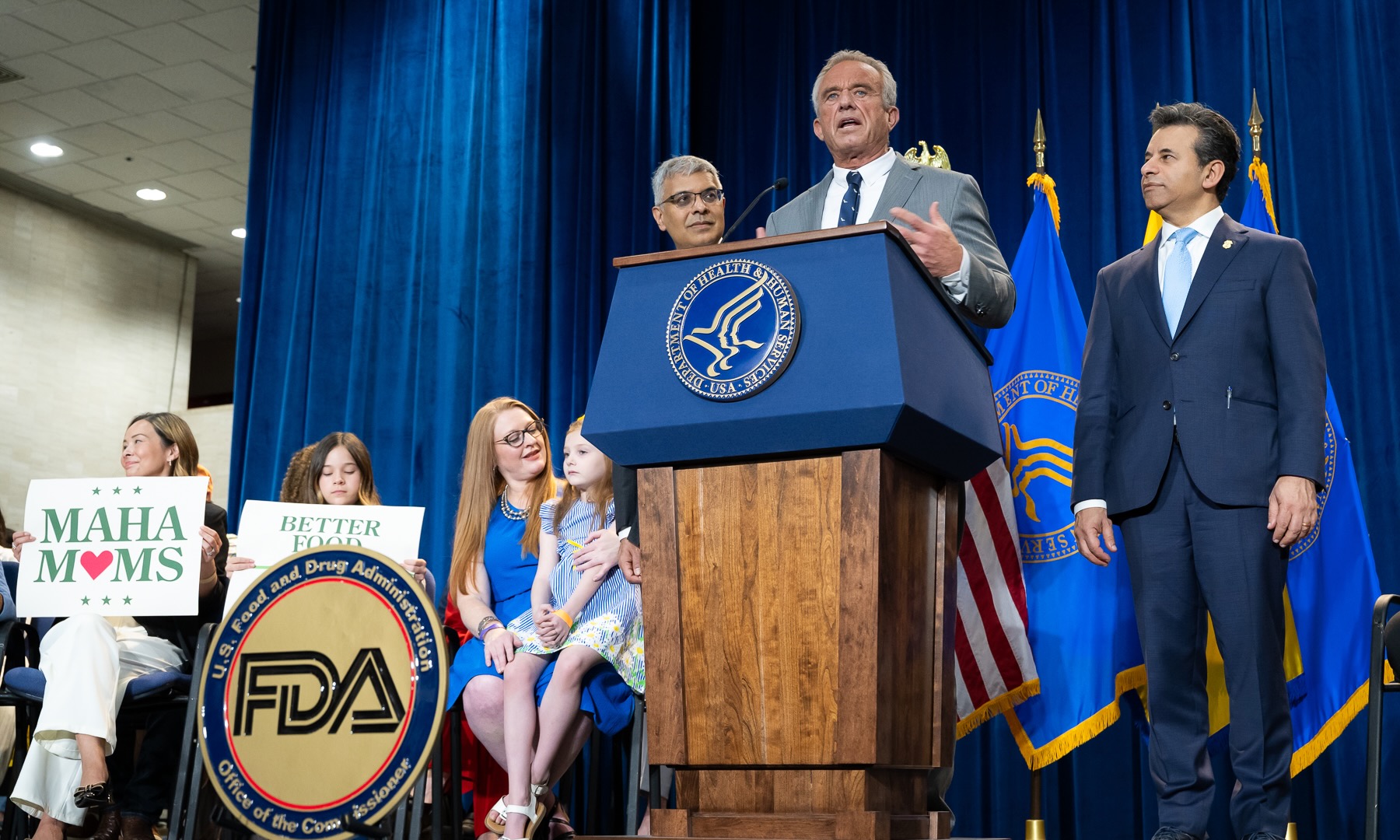
FDA moves to restrict fluoride supplements as part of MAHA agenda

FDA moves to restrict fluoride supplements as part of MAHA agenda

Federal health authorities have introduced a significant policy change regarding the use of fluoride in supplements, sparking a new wave of debate among healthcare professionals, environmental advocates, and parents concerned about public health. The U.S. Food and Drug Administration (FDA) has announced new restrictions on fluoride supplements, positioning this decision as part of a broader initiative under the Modernization of Active Health Approaches (MAHA) agenda. The move marks a turning point in the ongoing discussion about the benefits and potential risks associated with fluoride consumption, particularly in children’s dental care.A shift in fluoride regulation and public health focusFor decades, fluoride…
Read More
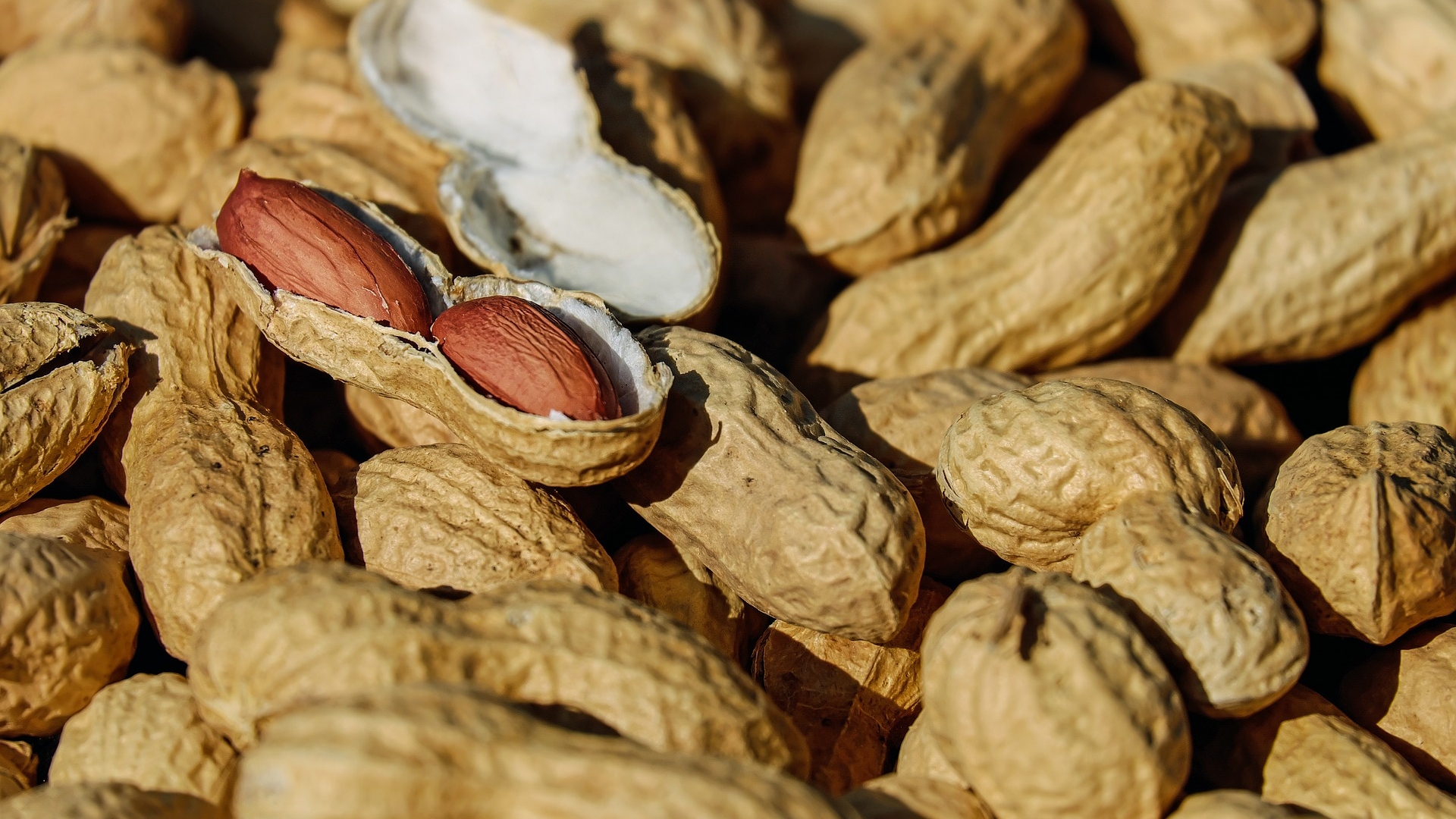
Science got peanut allergies all wrong – until the scientific method got it right

How Science Corrected Its Course on Peanut Allergies

A simple question about peanut allergies led Dr. Gideon Lack to a discovery that would change the way the world understands food allergies. What began as curiosity turned into decades of research that reshaped medical advice for millions of parents.The inquiry that ignited a transformationWhen Dr. Gideon Lack addressed a gathering of allergists and pediatricians some years ago, he posed a seemingly simple query: how many had managed a child suffering from a peanut allergy? In the majority of nations, almost every hand would have been raised. Peanut allergies had emerged as one of the most prevalent—and alarming—pediatric ailments, impacting…
Read More
Science got peanut allergies all wrong – until the scientific method got it right

Peanut Allergies: Science’s Early Missteps & Modern Solutions

A straightforward inquiry concerning peanut sensitivities propelled Dr. Gideon Lack towards a groundbreaking revelation that would fundamentally alter global perceptions of food allergies. What started as a mere interest evolved into extensive research spanning decades, ultimately redefining medical recommendations for countless parents.The inquiry that ignited a transformationWhen Dr. Gideon Lack addressed a gathering of allergists and pediatricians some years ago, he posed a seemingly simple query: how many had managed a child suffering from a peanut allergy? In the majority of nations, almost every hand would have been raised. Peanut allergies had emerged as one of the most prevalent—and alarming—pediatric…
Read More
elegant dessert in a jar with pistachios and flower

The Best Antioxidant Foods to Boost Your Health

Antioxidants are compounds that protect the body by neutralizing harmful molecules called free radicals. Free radicals can lead to chronic diseases and contribute to aging. Therefore, consuming foods rich in antioxidants can support overall health. Below, we delve into a range of antioxidant-rich foods, exploring their benefits and the science behind them.Fruits Packed with AntioxidantsFruits are outstanding providers of antioxidants, and numerous studies have underscored their protective qualities against long-term illnesses. Some prominent examples of fruits are:Berries: Blueberries, strawberries, raspberries, and blackberries are well-known for their potent antioxidant properties. Blueberries, specifically, are rich in anthocyanins, compounds associated with enhanced cognitive…
Read More
close up of ripe red rose hips in natural light

Discovering Antioxidant-Rich Foods

Antioxidants are substances that shield the body by counteracting detrimental molecules known as free radicals. These free radicals are implicated in the development of chronic illnesses and the aging process. Consequently, incorporating antioxidant-rich foods into your diet can bolster your general well-being. In the following sections, we will explore various foods abundant in antioxidants, examining their advantages and the scientific principles underpinning their efficacy.Fruits Packed with AntioxidantsFruits are excellent sources of antioxidants, with several studies highlighting their protective effects against chronic diseases. Notable fruits include:Berries: Blueberries, strawberries, raspberries, and blackberries are well-known for their potent antioxidant properties. Blueberries, specifically, are…
Read More
Agricultural Sector – Page 10 – Buy From Costa Rica

Foods High in Antioxidants: What to Eat

Antioxidants are substances that shield the body by counteracting detrimental molecules known as free radicals. These free radicals are implicated in the development of chronic illnesses and the aging process. Consequently, incorporating antioxidant-rich foods into your diet can bolster your general well-being. In the following sections, we will explore various foods abundant in antioxidants, examining their advantages and the scientific principles underpinning their efficacy.Antioxidant-Rich FruitsFruits are outstanding providers of antioxidants, and numerous studies have underscored their protective qualities against long-term illnesses. Some prominent examples of fruits are:Berries: Blueberries, strawberries, raspberries, and blackberries are renowned for their high antioxidant capacity. Blueberries,…
Read More
Recetas – Page 4 – Nature's Path

Gluten: A Deep Dive into the Protein

Gluten is a composite of storage proteins termed prolamins and glutelins, which are found naturally in wheat and related grains, such as barley and rye. This protein mixture is responsible for giving dough its elasticity and bread its chewy texture, bridging science and culinary arts. Without gluten, many of the baked goods we enjoy might lack their characteristic structure and appeal.Gluten's MakeupGluten is primarily composed of two main types of proteins: glutenin and gliadin. Glutenin contributes to the elasticity of dough, which is essential for holding gases during fermentation, leading to a proper rise in bread. On the other hand,…
Read More
15 Tips to Help Improve Your Mental Health

Prioritizing Self-Care for Mental Strength

Self-care is more than an indulgence or a luxury; it is a foundational practice that sustains mental well-being in an increasingly complex world. As stressors continue to intensify in contemporary life—ranging from the demands of the digital age to economic uncertainty and evolving social dynamics—the necessity of self-care has become a subject of growing academic and clinical attention. Understanding the importance of self-care for mental health requires a multidimensional examination encompassing psychological, physiological, and societal perspectives.The Psychological Impact of Self-CareAt its essence, self-care involves deliberate activities and habits that people adopt to foster their emotional and mental well-being. The American…
Read More
5 Ways Anxiety Can Affect Your Physical Health - EG Healthcare

What is the difference between anxiety and stress?

Stress and anxiety are terms frequently used interchangeably in daily discussions, clinical settings, and self-help materials. Despite their common pairing, they signify separate psychological and physiological reactions. Achieving a clear comprehension of the distinctions between anxiety and stress is vital, not just for precise self-assessment but also for successful intervention, both individually and professionally.Understanding Stress: How We React to Outside PressuresStress denotes the physical reaction to any requirement or difficulty, frequently labeled as a stressor. Such stressors encompass a spectrum from concrete occurrences—like an impending professional deadline or an intense disagreement—to abstract concerns such as existential doubt or apprehension of…
Read More
What is psychoeducation?

What is psychoeducation?

Psychoeducation is a therapeutic intervention that involves the structured provision of information about mental health conditions, psychological processes, and coping strategies. Its primary goal is to empower individuals and their families by equipping them with knowledge, skills, and resources necessary for understanding, managing, and overcoming psychological difficulties. Professionals utilize psychoeducation across diverse settings, including hospitals, schools, private practices, rehabilitation centers, and community organizations.Evolutionary History and Conceptual UnderpinningsThe concept of psychoeducation emerged in the late 20th century as mental health care began to transition from institutionalization toward community-based models. George L. Engel's biopsychosocial model and systemic family therapy theories played pivotal…
Read More