Throughout the United States, health agencies are dealing with the unforeseen impacts of recent cuts in federal funding. Numerous state and city health departments are now confronted with the challenging task of reducing vaccination initiatives and dismissing employees, which generates uncertainty when continuous immunization programs are crucial for community wellness.
Los recortes de financiación—que algunos funcionarios de salud han catalogado como inesperados y confusos—están repercutiendo en numerosos servicios que sobrepasan el ámbito del COVID-19. Las vacunas de rutina para niños y adultos, los programas de extensión y las clínicas móviles que atienden a poblaciones vulnerables están en peligro. En varias regiones, la falta de recursos económicos pone en riesgo años de avances alcanzados en la expansión del acceso a las vacunas y en el fortalecimiento de la infraestructura local de inmunización.
For public health leaders, the timing couldn’t be worse. Although emergency declarations related to the COVID-19 pandemic have expired, the need for vaccination remains. Efforts to prevent outbreaks of diseases like measles, flu, and whooping cough still depend on well-coordinated immunization campaigns. Without sufficient staffing and resources, local agencies may struggle to maintain the levels of coverage needed to protect the broader population.
Health departments at both the state and municipal levels depended significantly on federal funding throughout the pandemic to establish comprehensive vaccination systems. This financial support enabled them to employ temporary staff, extend operational hours, develop educational campaigns in multiple languages, and organize temporary clinics in remote locations. With the reduction of these funds, the infrastructure developed to enhance vaccine accessibility is starting to decline.
The fallout from the funding cuts is already visible. Several jurisdictions have begun notifying employees of upcoming layoffs. In some states, positions dedicated to vaccine coordination, community outreach, and mobile health delivery are being eliminated. Others report reducing their public-facing services, limiting walk-in availability, or halting partnerships with local organizations that help bring vaccines to underserved groups.
Public health specialists caution that these reductions might have implications over an extended period. Consistent, trustworthy, and convenient vaccination coverage is essential. Reducing outreach initiatives endangers the progress made—especially within communities that were initially reluctant or encountered obstacles to access. Immunization discrepancies can result in outbreaks, particularly in groups with traditionally lower vaccination levels.
Another issue is the departure of skilled staff. Numerous people recruited during the pandemic contributed essential abilities in areas like logistics, diverse language communication, and culturally aware community engagement. Releasing these trained experts not only affects ongoing activities but also diminishes the ability to handle upcoming health crises. Restoring this knowledge in the future can prove to be more challenging and costly.
Local officials are calling on federal agencies to provide clarity about the future of vaccine funding. Many say they were caught off guard by the pace and scale of the cuts, having assumed that at least some level of support would continue during the post-pandemic transition period. Without clear guidance, health departments are being forced to make budget decisions with limited information about what resources—if any—might become available in the coming fiscal year.
In the absence of federal funding, some states and municipalities are exploring ways to redirect local funds to preserve critical services. However, not all jurisdictions have the fiscal flexibility to fill the gap. Budget constraints, competing priorities, and political pressures can make it difficult for local governments to sustain public health programs without outside assistance.
The scenario has also raised alarm within countrywide health organizations, which stress that vaccination continues to be among the most potent methods in public health. A decline in immunization services might jeopardize years of effort to eradicate or manage diseases preventable through vaccines. As the healthcare infrastructure steadily rebounds from the impact of the pandemic, ensuring vaccine accessibility is regarded as crucial to wider initiatives aimed at fostering resilience and fairness.
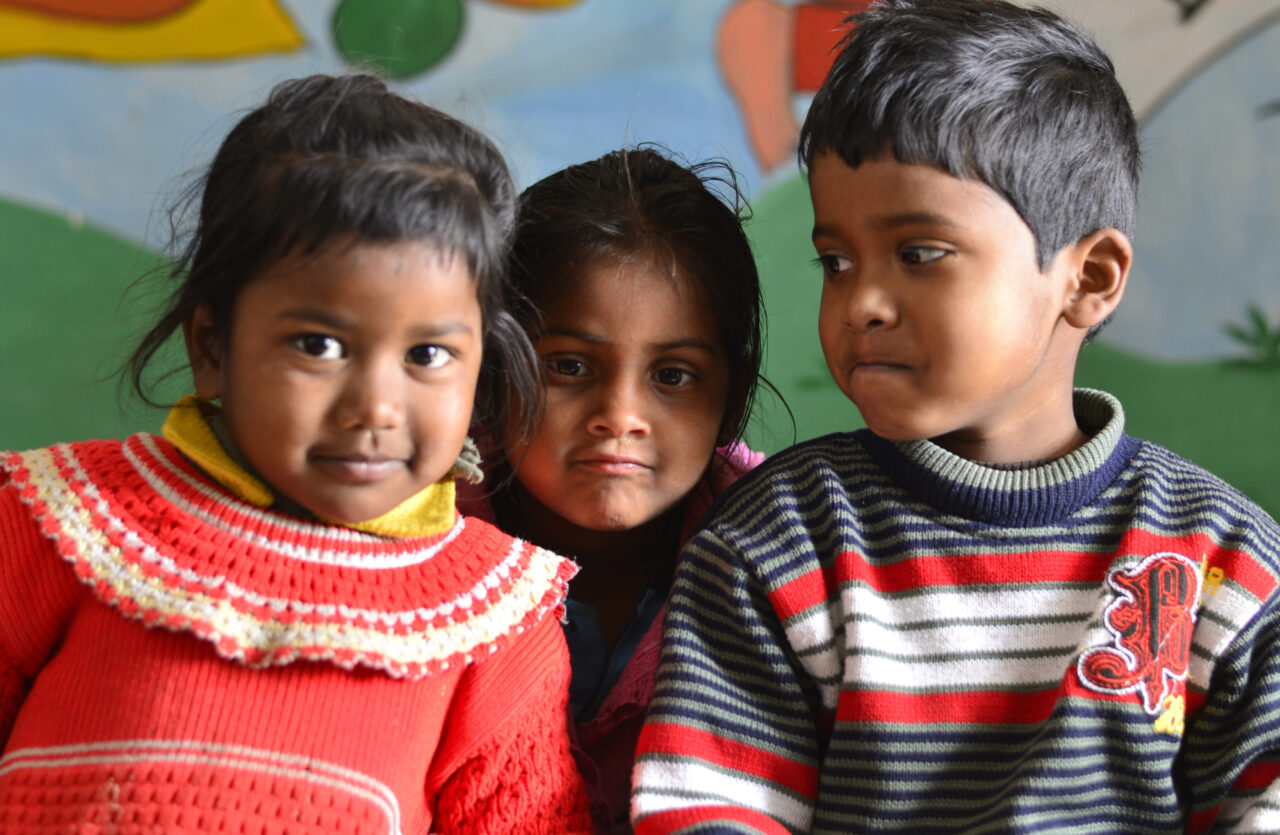
Even routine childhood immunizations could be affected. Pediatricians often rely on partnerships with public health departments to coordinate vaccination schedules, especially for families without private insurance. If those programs shrink or disappear, more parents may face logistical or financial hurdles, leading to lower uptake of essential vaccines like MMR (measles, mumps, rubella), DTaP (diphtheria, tetanus, pertussis), and polio.
Rural and underserved communities are particularly vulnerable. In areas where local clinics are few and far between, public health departments often serve as the main provider of vaccines. Cuts to mobile units or outreach teams can leave residents with limited or no access. In urban settings, the impact is also felt—especially among immigrant communities, people experiencing homelessness, and those with transportation or language barriers.
Amid these challenges, public health advocates are urging policymakers to recognize that the end of a health emergency does not mean the end of need. Vaccination programs must be maintained year-round, with sustained investment in infrastructure, workforce, and education. Without a stable foundation, the healthcare system becomes reactive instead of preventative—responding to crises rather than averting them.
Although the pandemic has entered another stage, vaccines continue to be extremely important. The flu season arrives every year, and there is always the chance of new variants or future disease outbreaks. Health departments praised for their swift action during COVID-19 are now compelled to reduce operations because of dwindling resources.
In the coming months, the decisions made at both the federal and local levels will shape the country’s ability to maintain high vaccination rates and prepare for future public health threats. Preserving the gains made over the past few years will require renewed attention to the infrastructure and personnel that make widespread immunization possible.
It’s evident that without prompt investment and coordinated assistance, the delicate advancements of recent years may deteriorate, resulting in communities becoming more susceptible and health departments lacking the necessary resources to safeguard them.