The iconic fashion competition series makes its anticipated return to television screens, bringing with it familiar challenges and high-stakes creative tests for aspiring designers. As the show prepares to launch its newest season, industry observers are questioning whether the revived format can produce the next generation of influential fashion voices in an increasingly crowded reality television landscape.
Project Runway initially transformed fashion television by providing the audience with a genuine insight into the artistic process of designing apparel. The initial seasons of the program propelled several prominent careers, with former winners and participants eventually creating thriving brands, styling celebrities, and participating in major fashion events. Nonetheless, the modern media landscape introduces fresh hurdles in identifying standout talent, as numerous online platforms now provide different routes for emerging designers to gain acknowledgment.
This season’s format retains the core elements that made the show successful – timed challenges, unconventional materials tests, and brutal judging panels – while incorporating updates to reflect changes in the fashion industry. Viewers can expect to see more emphasis on sustainable design practices, inclusive sizing considerations, and digital presentation skills that have become essential in the post-pandemic fashion world. The producers have also promised a more diverse group of contestants, representing a broader range of backgrounds and design perspectives than earlier seasons.
The fashion industry has experienced notable changes since the prime of Project Runway. Social media sites such as Instagram and TikTok have opened up fashion exposure, enabling undiscovered designers to gain followers without relying on conventional intermediaries. Concurrently, the hurdles to starting a fashion brand have significantly decreased, with the availability of direct-to-consumer services and digital design tools simplifying the process of launching a clothing line. These developments prompt reflection on whether a TV contest can still offer the career-launching platform it used to be.
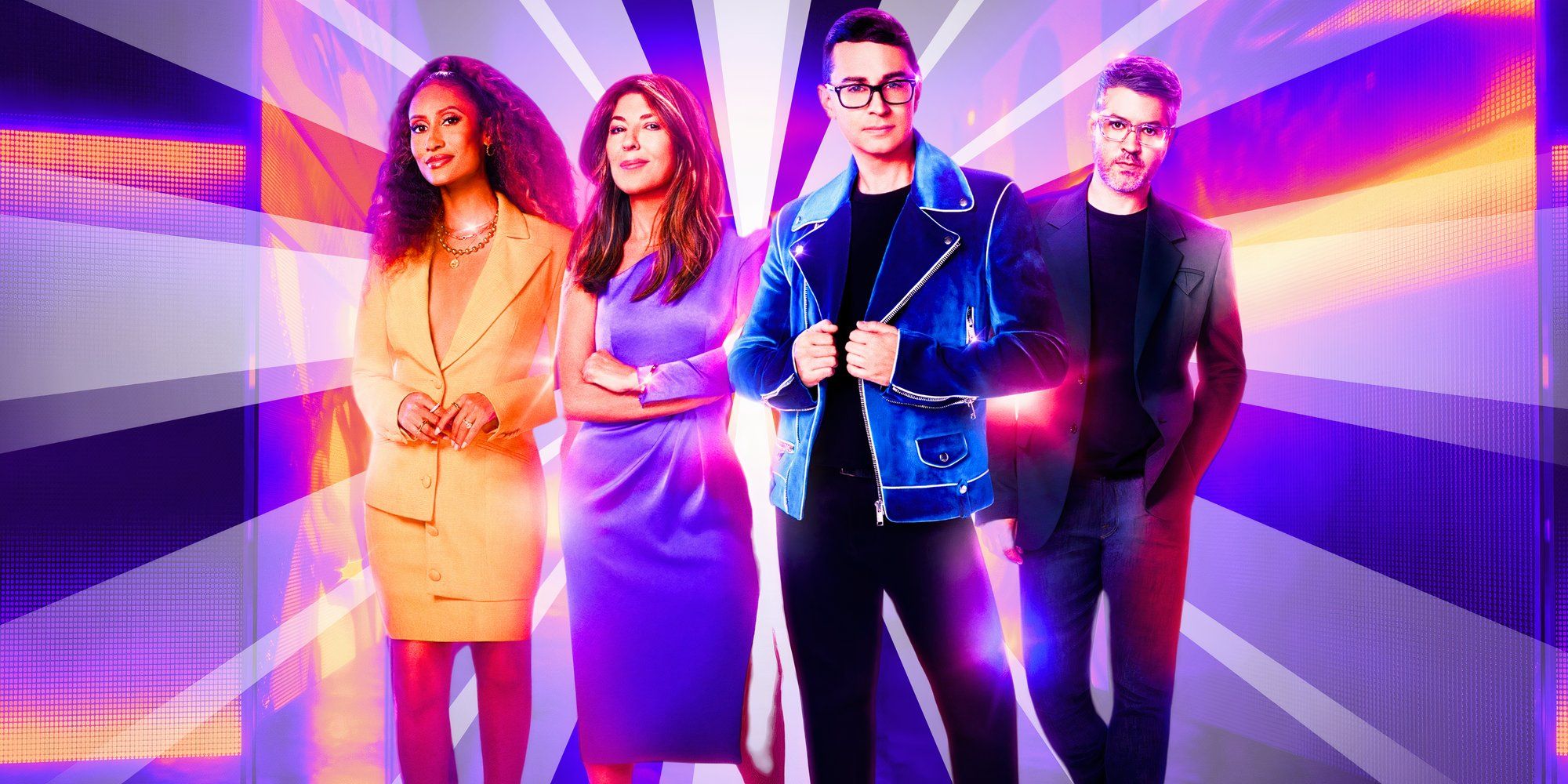
Assessing the upcoming season are both seasoned personalities and new viewpoints. The long-standing host and producer continue their involvement, ensuring consistency for dedicated audiences, while the judging panel includes significant personalities from various areas of the fashion industry. This combination of experienced industry leaders and modern voices seeks to connect established fashion norms with today’s more dispersed style environment.
The obstacles that participants encounter have been revised to align with present-day industry requirements. Beyond traditional tasks such as crafting clothing from unusual materials, designers will address genuine issues confronting contemporary fashion enterprises, such as developing collections that accommodate all sizes, designing for digital fashion shows, and crafting sustainable production methods. These pragmatic aspects are intended to equip participants with abilities that apply directly to the current fashion scene.
For the audience, the program provides both enjoyment and insight into the world of fashion design. Backstage sections explore in more detail the technical components such as creating patterns and choosing materials, compared to regular fashion shows. The series also emphasizes the commercial aspects of fashion, illustrating how participants manage finances, schedules, and client demands – offering useful knowledge for future designers viewing from home.
The timing of the show’s return coincides with renewed interest in fashion as self-expression following years of pandemic-induced casualwear dominance. As consumers return to offices and social events, many are rethinking their personal style, creating potential opportunities for fresh design voices to emerge. A successful contestant from this season could capitalize on this moment of sartorial reinvention.
Nevertheless, the journey from a reality television participant to a renowned designer continues to be difficult. Previous winners of Project Runway have experienced differing levels of achievement, with some establishing enduring brands and others having difficulty evolving from competition favorites to successful entrepreneurs. The producers of the new season assert that they have introduced more comprehensive support systems after the show, which include mentorship initiatives and business development tools, to assist accomplished contestants in overcoming these challenges.
The fashion press will keenly observe whether this version can spotlight designers capable of making significant contributions to the industry. In a time when viral trends often lead more dependably to business achievements than conventional design qualifications, the program is under pressure to prove that its method of discovering talent is still pertinent. An emerging standout from this season might confirm the ongoing value of formal design education and classic skill-building in a fashion landscape that is becoming more accessible.
For aspiring designers, the show still represents a rare opportunity to showcase talent to industry insiders and mass audiences simultaneously. The exposure alone can jumpstart careers, even for contestants who don’t win the competition. Past participants have leveraged their appearances into collaborations, licensing deals, and editorial features that might otherwise have taken years to secure.
Mientras la moda continúa desarrollándose para abordar temas de sostenibilidad, representación y transformación digital, el regreso de Project Runway se presenta en un momento crucial. La capacidad del programa para destacar a diseñadores que pueden responder a estas preocupaciones mientras crean trabajos comercialmente viables y estéticamente atractivos puede decidir si puede recuperar su antigua influencia. Las próximas semanas mostrarán si esta temporada genera otra serie de personalidades memorables o, más importante aún, la próxima verdadera estrella de la moda capaz de influir en cómo nos vestiremos en los próximos años.
The rebooted Project Runway encounters a similar challenge to the designers it showcases: how to respect its legacy while evolving for the modern viewers. Achieving success will rely on balancing – preserving the excitement and artistic pressure that made it essential viewing, while adjusting to a fashion world that has changed significantly since the show’s debut. Those watching will see if this fresh era can successfully make reality TV an influential platform for uncovering the future’s fashion leaders.