What is a Balanced Diet for Children?
A balanced diet for children is an essential component of healthy growth and development. It involves a mix of various food groups in proper proportions, supplying the necessary nutrients that young bodies require during their formative years. Attention to dietary needs during childhood can set a foundation for lifelong health and well-being.
Comprehending Dietary Requirements
The nutritional needs of children vary from those of adults because they are continually growing and developing. They require a higher intake of vitamins, minerals, energy, and proper hydration. The key elements of a well-rounded diet for children consist of carbohydrates, proteins, fats, vitamins, minerals, and water. Each of these elements is essential in aiding vital processes like bone growth, immune response, and mental development.
1. **Carbohydrates:** Essential for energy, carbohydrates ought to make up roughly 45-65% of a child’s daily intake. Whole grains, fruits, and vegetables are sources that not only supply energy but also fiber, which helps with digestion and keeping blood sugar stable.
2. **Proteins:** Proteins play a crucial role in the repair and growth of tissues. It’s important for children to eat lean meats, poultry, fish, eggs, beans, and nuts to gain sufficient amino acids that are essential for the development of muscles and metabolic processes.
3. **Fats:** Beneficial fats, contrary to common misunderstandings, are essential. Making up roughly 25-35% of everyday consumption, polyunsaturated and monounsaturated fats present in nuts, seeds, and fish aid in brain growth and assist with the absorption of fat-soluble vitamins such as A, D, E, and K.
4. **Vitamins and Minerals:** A diverse diet ensures that children get enough vitamins and minerals. Calcium supports bone health; iron is crucial for blood production and cognitive development, while vitamins such as A, C, and E play roles in immune support and skin health.
Creating a Balanced Plate
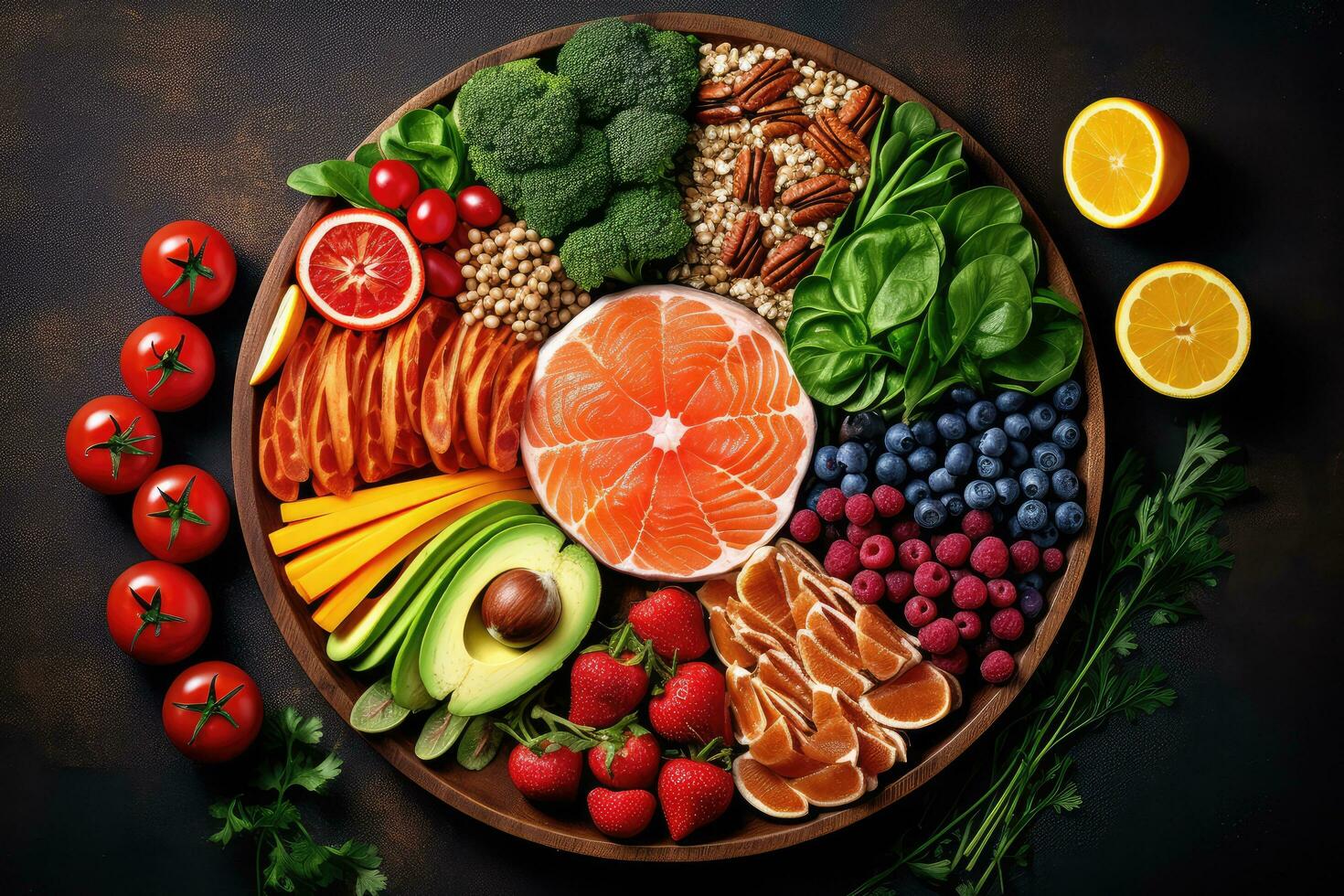
A balanced diet is best visualized by dividing the plate. Half should be filled with fruits and vegetables, offering a wide array of vitamins, minerals, and antioxidants. One quarter should contain grains, with a preference for whole grains like oats, brown rice, and whole wheat bread. The remaining portion is reserved for proteins. Dairy or dairy alternatives should also be included to meet calcium needs.
Practical Tips and Strategies
– **Include Diversity:** Providing a selection of foods guarantees a wide array of nutrients. Frequently change fruits, vegetables, and protein options to avoid nutritional deficiencies.
– **Model Healthy Choices:** Children often mimic adults. Demonstrating balanced eating and discussing its benefits encourages healthy habits.
– **Limit Sugary and Processed Foods:** Such foods can contribute to excessive calorie consumption without nutritional benefits. Establishing an occasional treat policy can help manage intake.
– **Include Kids in Food Planning:** Motivating children to take part in shopping for groceries or assisting with cooking helps develop an interest in meals and nutrition, increasing the chances they will choose healthy options.
Reflective Synthesis
Creating a well-rounded eating plan for kids is a fluid task that corresponds with their developmental stages. Concentrating on foods rich in nutrients, grasping balanced plate compositions, and encouraging fun, family-centered meal planning activities all assist in crafting a supportive eating setting. As youngsters adopt and adjust to these beneficial habits, they set the foundation for a future where conscientious food decisions are instinctive. By combining these components, we set the stage for the next generation to flourish both in body and mind, harnessing their full growth potential.