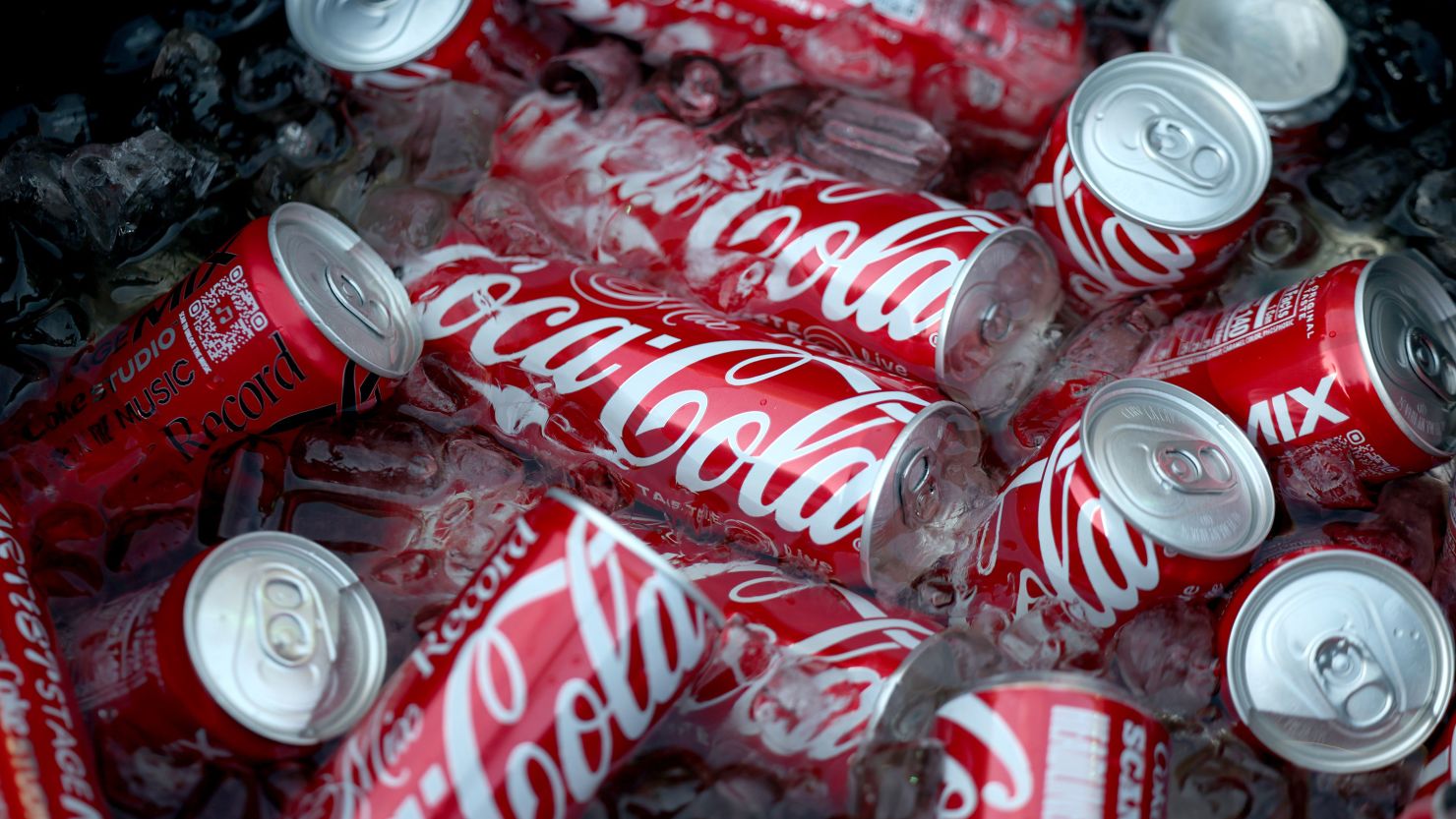
Coca-Cola has announced its plans to launch a version of its iconic beverage sweetened with cane sugar in the United States. This decision comes in the wake of advocacy efforts from former President Trump, who has been vocal about his support for products made with natural ingredients over those containing high-fructose corn syrup.
The debut of cane sugar Coke represents a significant change for the beverage giant, which has mainly relied on high-fructose corn syrup as a sweetener in its products available in the U.S. This adjustment is anticipated to attract consumers looking for options that better match their preference for natural ingredients. As health-focused selections become more popular among people, Coca-Cola’s decision demonstrates the company’s adaptability to shifting consumer trends.
The move towards cane sugar Coca-Cola is indicative of a wider movement within the beverage sector, as numerous corporations reassess their ingredient lists due to heightened focus on health and nutrition. Companies producing soft drinks have been subject to increasing disapproval concerning the health impacts of high sugar intake, especially from sweeteners such as high-fructose corn syrup. Consequently, Coca-Cola’s choice can be interpreted as an attempt to improve its brand reputation and appeal to a consumer base that values health and wellness.
Trump’s involvement in advocating for cane sugar products has brought additional attention to this initiative. His administration had previously championed the use of cane sugar, arguing that it is a more natural and healthier alternative to corn-based sweeteners. This advocacy has resonated with certain consumer groups who favor traditional ingredients and perceive them as a healthier option. Coca-Cola’s strategy to align with these sentiments could bolster its appeal in a competitive market.
The transition to cane sugar will likely also resonate with consumers who recall the nostalgic flavor of Coca-Cola produced with cane sugar, often referred to as “Mexican Coke,” which has been popular in the U.S. due to its unique taste profile. This version of the drink has developed a loyal following among fans who appreciate its flavor and the perception of higher quality associated with cane sugar. By reintroducing this formulation, Coca-Cola aims to tap into nostalgia while also catering to modern consumer preferences.
Furthermore, the launch of cane sugar Coke is expected to coincide with a broader marketing campaign aimed at educating consumers about the benefits of cane sugar. This campaign may highlight the differences between cane sugar and high-fructose corn syrup, focusing on the idea that natural ingredients are more aligned with a healthier lifestyle. By communicating these benefits effectively, Coca-Cola hopes to position itself as a leader in the beverage market that prioritizes consumer health.
Regarding logistical aspects, Coca-Cola must handle the challenges of obtaining cane sugar and modify its manufacturing methods to implement this shift. The supply of cane sugar can fluctuate depending on market conditions, and the company must guarantee that its supply chain is resilient enough to sustain the new range of products. This change might also affect pricing since cane sugar usually costs more than high-fructose corn syrup.
As Coca-Cola prepares for the rollout of cane sugar Coke, retailers will play a crucial role in its success. The company will need to engage with grocery stores and other outlets to secure shelf space and promote the new product effectively. Collaborations with retailers could help generate buzz and encourage consumers to try the cane sugar version of the beverage.
In summary, Coca-Cola’s choice to launch cane sugar Coke in the United States is a tactical move addressing evolving consumer tastes and the influence of former President Trump. By transitioning to natural components, the company seeks to improve its brand reputation and attract a market interested in health. As the beverage sector keeps transforming, Coca-Cola’s initiative mirrors a wider movement toward openness and genuineness in product offerings, which is crucial for staying competitive in a market that’s becoming more health-oriented.