On Capitol Hill, a second confirmation hearing for Jared Isaacman took place, attracting uncommon attention to a process that seldom occurs more than once.
The reappearance of Jared Isaacman on the Senate confirmation stage presented an uncommon political scenario: a nominee confronting lawmakers once more after his initial candidacy was unexpectedly suspended months prior. Isaacman, a billionaire entrepreneur and a notable personality in the commercial space industry, appeared again before the Senate Committee on Commerce, Science, and Transportation, aiming to secure approval to become the next NASA administrator. His renomination came after a dramatic change of course by President Donald Trump, who had initially withdrawn Isaacman’s nomination in the spring, only to reinstate him in the fall.
The hearing, which was publicly streamed to ensure transparency and wide accessibility, lasted around two hours. It commenced with a lighthearted comment about its déjà vu nature, but the atmosphere quickly transitioned to a more substantive discussion. Senators from both parties conducted a comprehensive examination of Isaacman’s strategic vision for NASA, his perspectives on funding priorities, and his associations with Elon Musk and SpaceX. As the questions became more probing, the importance of what this leadership decision could signify for NASA’s future trajectory grew, especially in light of the renewed global competition in space exploration.
A resurgence in the confirmation spotlight
The political path that led Isaacman back before lawmakers is intertwined with shifting priorities inside the administration and complex interpersonal dynamics. Earlier in the year, his nomination was nearly finalized when disagreements between Trump and Musk disrupted the process. The fallout appeared to cast uncertainty over Isaacman’s prospects, especially considering his well-known collaboration with Musk’s SpaceX in private missions and technology investments.
By November, however, the White House opted to renominate him, initiating fresh assessments and drawing senators back to scrutinize his credentials, strategic vision, and objectives for the agency. Committee leaders, such as Senator Ted Cruz and Senator Maria Cantwell, indicated early in the hearing their readiness to extend support. Their remarks echoed a sense of consistency from the previous session, implying that Isaacman’s expertise, spaceflight experience, and business acumen still held significant influence.
For many lawmakers, the second hearing provided an opportunity to revisit concerns that had not been fully addressed during the spring. Several senators noted that the space policy environment has since evolved, with new budget proposals, international developments and technical updates to NASA’s programs shaping the scope of questioning.
The financial constraints facing NASA and the prospects for lunar exploration
Much of the discussion focused on NASA’s financial priorities, a predictable highlight considering the administration’s contentious budget plan unveiled earlier this year. That proposal suggested substantial reductions in the space agency’s science division, which led to vigorous bipartisan opposition. Senators emphasized that these cuts might impede NASA’s long-term scientific and exploration capabilities, and they questioned Isaacman on whether he planned to implement those cuts if confirmed.
Isaacman responded by affirming that he would implement congressional funding levels as written, emphasizing efficiency and responsible stewardship rather than reductions. He referenced the importance of maximizing the utility of every dollar allocated, reassuring lawmakers who feared that the White House’s earlier proposals could still influence internal decisions at NASA.
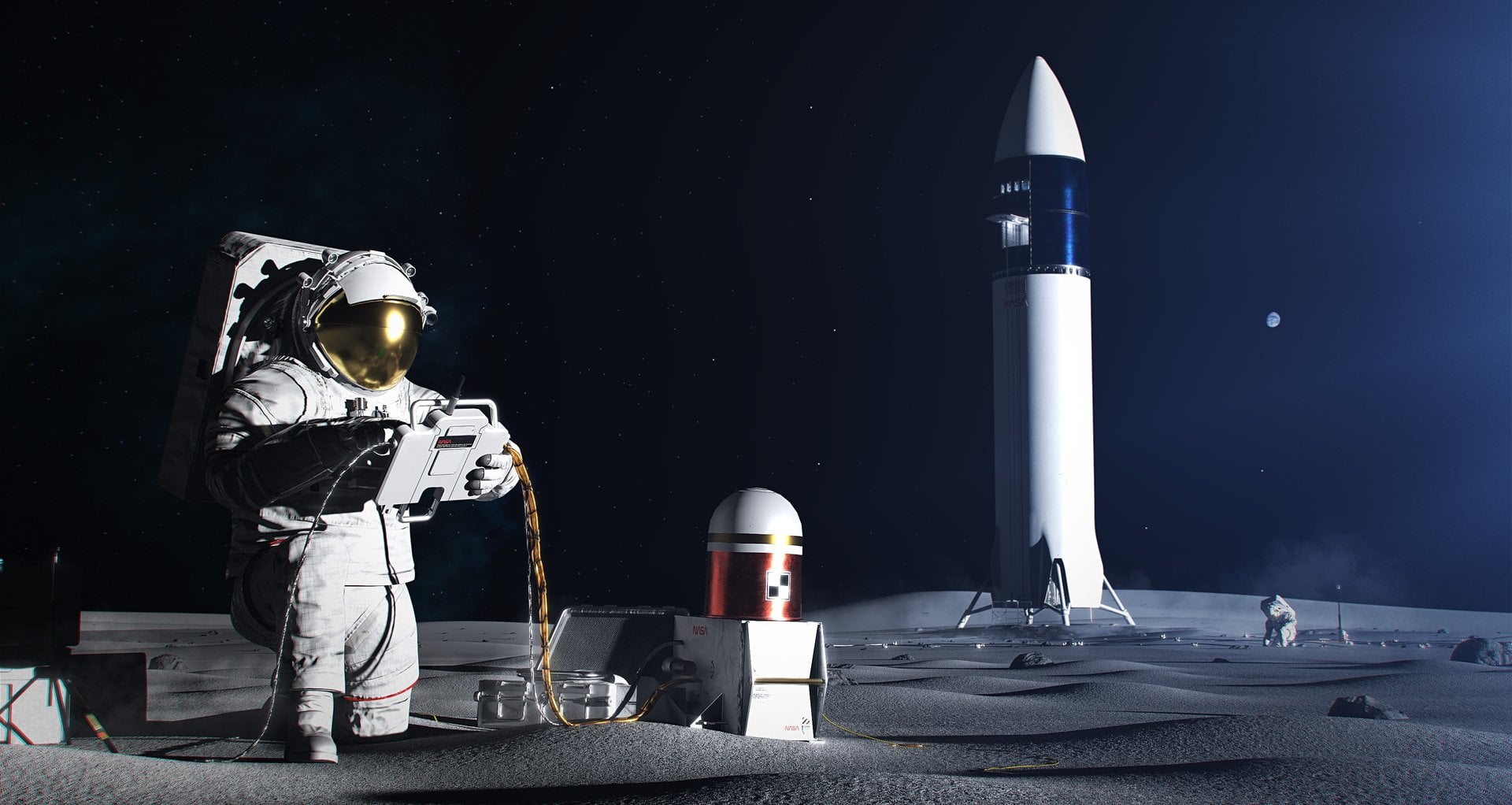
The hearing also covered a significant development: the choice to re-open the competition for the multibillion-dollar lunar lander contract initially granted to SpaceX. This contract remains pivotal to Artemis III, the mission aimed at bringing astronauts back to the lunar surface for the first time since the Apollo era. Although originally expected in 2027, the mission has encountered delays partly due to the intricate nature of lander development and testing requirements.
Senators sought clarity on whether Isaacman planned to alter or revisit that contract process. While he avoided committing to specific actions, he made clear that commercial partners recognize they are competing to achieve milestones that could define the future of lunar exploration. He also acknowledged the significance of maintaining momentum in NASA’s moon program—a theme that resonates strongly given international interest in lunar activity, including concurrent efforts by China.
The debate enveloping “Project Athena”
One of the most contentious subjects during the hearing was “Project Athena,” a detailed internal document outlining Isaacman’s proposed agenda for reshaping NASA. The document, leaked several weeks earlier, described various structural and strategic changes ranging from shifts in research responsibilities to changes in workforce composition and mission priorities.
Isaacman explained that the document was intended as a working draft, created in collaboration with NASA leadership and refined over months of discussions. He maintained that he continues to support the overarching goals it presented, though he acknowledged its earlier version was written at a time when circumstances at NASA were different. His remarks signaled flexibility while also reinforcing his commitment to modernization, efficiency and technological advancement.
Some senators expressed serious concerns about portions of the document suggesting reductions in NASA’s civil servant workforce or outsourcing aspects of scientific research. For those lawmakers, such proposals raised red flags about the potential diminishment of NASA’s internal scientific capabilities and long-term institutional knowledge. Senator Andy Kim, in particular, pressed Isaacman on whether he was prepared to back away from recommendations that could result in thousands of job eliminations or potential erosion of NASA’s research infrastructure.
Isaacman sought to alleviate these concerns by reiterating his support for strong scientific engagement and clarifying that he does not intend to undermine the agency’s scientific mission. He referenced his willingness to personally fund certain scientific endeavors, including a future telescope launch, as evidence of his commitment. Still, several senators indicated they would require additional written follow-up before firmly supporting his confirmation.
Harmonizing Mars aspirations with pressing lunar objectives
Another important theme throughout the hearing involved NASA’s long-term exploration strategy. Project Athena outlined an emphasis on preparing for Mars and accelerating capabilities related to nuclear propulsion, deep-space exploration and advanced propulsion technologies. While many in the space industry view Mars as a natural horizon for eventual human settlement, lawmakers insisted that the United States must first focus on winning the renewed lunar competition.
For decades, the Moon has been regarded by policymakers as a stepping stone to broader aspirations, serving as a testing platform for technologies, logistics, and international cooperation. Recent declarations by Chinese officials expressing their plans to reach the Moon in the near future have intensified the political urgency surrounding the Artemis program. In this context, several senators urged Isaacman to elucidate NASA’s priorities during his tenure.
Isaacman responded unequivocally, stating that the Moon represents the agency’s most immediate priority and that Artemis must remain central to NASA’s mission strategy. He acknowledged the importance of long-term goals but emphasized that operational focus should remain firmly oriented around lunar milestones. These assurances sought to align his vision with longstanding bipartisan support for the Artemis program and its associated infrastructure investments.
Political questions and ties to the commercial space sector
The hearing also discussed Isaacman’s involvement in politics and examined how his personal financial contributions might have influenced the administration’s renewed backing of his nomination. Questions were raised by Senator Gary Peters concerning donations Isaacman contributed to a Super PAC backing President Trump after his initial nomination was withdrawn. Peters centered the inquiry on transparency and public trust, proposing that the perception of political influence related to the reinstatement required elucidation.
Isaacman responded by explaining that he explored the possibility of entering politics after losing the nomination, which led him to support Republican candidates. He emphasized that he could not speculate about the president’s reasoning for reinstating his nomination. His remarks aimed to separate personal political engagement from the nomination process itself, although some senators remained wary.
Additionally, the extent of Isaacman’s connections with Musk and SpaceX was scrutinized by lawmakers. His track record of financing private space expeditions, such as the Inspiration4 mission and subsequent missions within the Polaris program, was presented as proof of his significant professional affiliations with the company. Although numerous individuals regard his experience flying on SpaceX’s Crew Dragon as invaluable firsthand knowledge of human space travel, others warned that these associations might complicate contract decisions related to the company.
Isaacman addressed these concerns by emphasizing that NASA itself relies heavily on SpaceX, which currently provides the United States’ only operational crew transport capability. He characterized his relationship with the company as no more influential than NASA’s institutional relationship, framing his spaceflight experience as an asset rather than a conflict.
Industry backing and what comes next
Despite the concerns raised, Isaacman continues to enjoy significant support among key figures in the space community. Thirty-six NASA astronauts submitted letters endorsing his nomination. Commercial space leaders also expressed confidence in his ability to guide NASA through a period of rapid technological change. Sean Duffy, the acting NASA administrator and Transportation Secretary, provided written support to the committee as well.
Senator Cruz, who is presiding over the committee, emphasized the pressing need to appoint a permanent NASA administrator before Artemis II—a mission that is currently gearing up to transport astronauts around the Moon. He stressed that consistent leadership is essential as the agency approaches its forthcoming significant human spaceflight achievement.
With the hearing now concluded, the Senate Commerce Committee will assess additional written responses and determine whether to advance Isaacman’s nomination to a full Senate vote. If confirmed, he will oversee NASA during one of the most ambitious periods in the agency’s recent history, guiding it through Artemis missions, commercial partnerships, technological upgrades and global competition in space exploration.
The results of the confirmation process will influence NASA’s path for the foreseeable future, defining how the agency manages scientific inquiry, human exploration, commercial partnerships, and national priorities within a swiftly changing environment. Isaacman’s leadership—if sanctioned—will be challenged not only by the technical requirements of space exploration but also by the political, financial, and strategic pressures of steering an organization at the heart of global innovation and ambition.